Free EU shipping over €250All products are for research purposes only

Testosterone

Testosterone esters, pharmacokinetics and androgen-receptor research.

41 articles

Articles

  • Weight Loss & GLP-1

    History of Research Compounds: From Anabolic Steroids to Modern Peptides

    The history of research compounds spans from the 1930s isolation of testosterone to modern synthetic peptides and GLP-1 agonists. A chronological science history of how anabolic steroids, growth hormone peptides, and metabolic research compounds were discovered, synthesized, and studied over 90 years.

    7 min read

  • Anabolic Research

    Testosterone + Nandrolone Research Cycle: Protocol Design Guide

    Testosterone enanthate + nandrolone decanoate is a classic anabolic research combination targeting AR activation, collagen synthesis, and muscle anabolism through complementary mechanisms. Research guide covering the pharmacological rationale, protocol structure, dosing, and research endpoints for test+deca models.

    4 min read

  • Peptides & Recovery

    Peptides vs Steroids for Research: Mechanisms, Uses and Key Differences

    Peptides and anabolic steroids are two distinct compound classes with fundamentally different mechanisms, pharmacokinetics, and research applications. Comparative guide covering receptor targets, molecular size, metabolism, research use cases, and how to choose between compound classes for specific research objectives.

    4 min read

  • Anabolic Research

    Testosterone Research Compounds in Europe: Complete Supply Guide

    Testosterone esters for research in Europe — from propionate to undecanoate. Guide covering EU availability of testosterone research compounds, COA verification for oil-based injectables, ester selection for different study designs, and EU supply advantages.

    3 min read

  • PCT & Support

    Testosterone and Bone Density: How Androgens Regulate Skeletal Health

    Testosterone maintains bone density through both direct AR-mediated osteoblast activation and indirect estradiol-mediated osteoclast suppression. Advanced research guide covering androgen effects on bone remodeling, the aromatization requirement, and compound research for osteoporosis models.

    5 min read

  • Growth Hormone

    Sarcopenia Research: Compounds Targeting Age-Related Muscle Loss

    Sarcopenia is the progressive loss of skeletal muscle mass and function with aging. Advanced research guide covering the molecular mechanisms driving sarcopenia (IGF-1/mTOR decline, myostatin upregulation, mitochondrial dysfunction, satellite cell exhaustion) and compounds studied in preclinical models.

    5 min read

  • PCT & Support

    The HPTA Axis: How Testosterone Production Is Regulated

    The hypothalamic-pituitary-testicular axis (HPTA) is the feedback system that regulates testosterone production. Beginner's guide to GnRH, LH, FSH, Leydig cell function, and how exogenous androgens suppress the axis — foundational knowledge for androgen and SARM research.

    5 min read

  • PCT & Support

    Aromatase (CYP19A1): Estrogen Biosynthesis and Its Role in Androgen Research

    Aromatase is the enzyme responsible for estrogen biosynthesis from androgen precursors. Research guide covering CYP19A1 mechanism, tissue expression, role in androgen metabolism, aromatase inhibitor pharmacology, and why aromatization is a key variable in anabolic research models.

    5 min read

  • Anabolic Research

    Androgen Receptor Biology: How Testosterone Signals in Cells

    The androgen receptor (AR) is a nuclear transcription factor that mediates the biological effects of testosterone and synthetic androgens. Research guide covering AR structure, coactivator recruitment, androgen response elements, tissue-specific expression, and the basis for anabolic:androgenic ratios.

    5 min read

  • Anabolic Research

    Anabolic Steroids: Beginner's Research Overview of Mechanism and Classification

    Anabolic-androgenic steroids (AAS) are synthetic derivatives of testosterone that bind the androgen receptor. Beginner's research overview covering steroid classification, androgen receptor mechanism, anabolic vs. androgenic effects, esterification, and why researchers study these compounds.

    4 min read

  • PCT & Support

    Testosterone Research Cycle Design: Protocols, Controls, and Hormonal Endpoints

    Research cycle design for testosterone administration studies requires careful ester selection, dosing schedules, aromatase management, and comprehensive hormonal monitoring. Guide to testosterone research protocol design covering pharmacokinetics, endpoint selection, and valid control architecture.

    5 min read

  • Peptides & Recovery

    PCT Research Protocol: HPTA Restoration After Androgen Suppression

    Anabolic compound exposure suppresses the hypothalamic-pituitary-testicular axis through negative feedback. Research protocol guide for investigating HPTA restoration using SERMs, aromatase inhibitors, HCG, and peptide interventions after androgen-induced suppression.

    4 min read

  • Growth Hormone

    Bulking Research Protocol: Compound Selection and Mechanistic Rationale

    Research-based analysis of compound selection strategies for muscle hypertrophy protocols. Covers mechanistic rationale for anabolic compound combinations, nitrogen retention, IGF-1 axis modulation, and multi-compound protocol design principles.

    4 min read

  • Anabolic Research

    Mass Cycle Research: Testosterone + Nandrolone Protocols

    The testosterone + nandrolone combination is the most studied two-compound anabolic research stack, with complementary AR, progestogenic, and anti-catabolic mechanisms. Research overview of pharmacological rationale, dosing considerations, and endpoint design for mass-phase protocols.

    4 min read

  • Anabolic Research

    Water-Based Injectable Research Compounds: Formulation Science

    Water-based injectables — aqueous suspensions and solutions — differ fundamentally from oil-based depot formulations in dissolution kinetics, injection site reactions, and pharmacokinetic profiles. Research overview of water-based injectable anabolic compounds including stanozolol suspension and testosterone suspension.

    4 min read

  • Anabolic Research

    Anabolic Steroid Half-Life Guide: Complete Reference

    Half-life determines injection frequency, steady-state time, and washout period for all anabolic research compounds. Complete reference table of anabolic steroid half-lives by ester, with pharmacokinetic principles for research protocol design.

    4 min read

  • Anabolic Research

    Cut Stack Research Protocol: Test Propionate + Tren Ace + Masteron

    The classic three-compound cutting research stack — testosterone propionate, trenbolone acetate, and drostanolone propionate — combines fast ester kinetics, zero aromatization, and anti-estrogenic androgenicity for body composition research. Protocol design, pharmacological rationale, and endpoint selection.

    6 min read

  • Anabolic Research

    Turinabol (4-Chloro-Testosterone): Oral Anabolic Research

    Turinabol (4-chloro-17α-methyl-testosterone; CDMT) was developed in East Germany for Olympic doping research. It combines the Δ1,4-diene of methandrostenolone with a 4-chloro substitution that eliminates aromatization. Research overview of structure, selectivity, and CDMT detection history.

    6 min read

  • PCT & Support

    Anastrozole vs. Letrozole: AI Comparison for Research

    Anastrozole (Arimidex) and letrozole (Femara) are both third-generation non-steroidal aromatase inhibitors, but differ in potency, pharmacokinetics, and optimal research applications. Research comparison guide for selecting the right AI.

    6 min read

  • Peptides & Recovery

    PCT Protocol Design: HPTA Restoration Research Guide

    Post-cycle therapy (PCT) protocols use hCG, SERMs (tamoxifen, clomiphene), and aromatase inhibitors in sequence to restore hypothalamic-pituitary-testicular axis function after androgen suppression. Research guide to designing evidence-based PCT protocols.

    7 min read

  • PCT & Support

    hCG and Testicular Function: LH Mimicry Research

    Human chorionic gonadotropin (hCG) structurally mimics LH to directly stimulate Leydig cell testosterone synthesis. Research overview of its LHCGR signaling, ITT maintenance, and use in androgen suppression models.

    6 min read

  • PCT & Support

    Clomiphene Citrate: HPTA Stimulation Research

    Clomiphene citrate (Clomid) is a mixed SERM containing enclomiphene (ER antagonist) and zuclomiphene (ER agonist). Research overview of its HPTA stimulation mechanism, isomer pharmacology, and use in hypogonadism and fertility research.

    6 min read

  • PCT & Support

    Letrozole: High-Potency AI for Estrogen Research

    Letrozole (Femara) is the most potent non-steroidal aromatase inhibitor available, achieving near-complete estradiol suppression. Research overview of its mechanism, pharmacokinetics, and use in androgen/estrogen research protocols.

    5 min read

  • PCT & Support

    Anastrozole: Aromatase Inhibitor Research Profile

    Anastrozole (Arimidex) is a third-generation non-steroidal aromatase inhibitor (AI) that suppresses estradiol synthesis by competitively inhibiting CYP19A1. Research overview of its mechanism, PK, and use in androgen/estrogen research protocols.

    5 min read

  • Anabolic Research

    Advanced Multi-Compound Anabolic Research Stack Design

    Designing a multi-compound anabolic steroid research protocol requires understanding pharmacological complementarity, endpoint selection, and statistical framework. Research guide for designing testosterone + trenbolone + nandrolone/boldenone combination protocols.

    8 min read

  • Anabolic Research

    Methandrostenolone (Dianabol): Oral Δ1-Testosterone Research Profile

    Methandrostenolone (Dianabol, D-bol) is a C17α-methylated Δ1,2-testosterone derivative with significant aromatization. Research overview of its pharmacology, historical clinical applications, and use in muscle protein synthesis research.

    6 min read

  • Anabolic Research

    Anabolic-Androgenic Ratio: Methodology, Meaning, and Limitations

    The anabolic-androgenic (A:A) ratio is the primary pharmacological index for characterizing the tissue selectivity of androgens. Research overview of the Hershberger assay methodology, how the ratio is calculated, and its critical limitations.

    8 min read

  • Anabolic Research

    19-Nor Androgens: Pharmacological Mechanisms of the 19-Nor Class

    The 19-nor class of androgens (nandrolone, trenbolone, 19-norprogesterone derivatives) share a C19 methyl deletion that fundamentally alters their metabolism and tissue selectivity. Research overview of 19-nor pharmacology.

    8 min read

  • Anabolic Research

    Boldenone Undecylenate: Δ1-Testosterone Research Profile

    Boldenone undecylenate (Equipoise) is a Δ1,2-modified testosterone with a unique pharmacological profile including reduced 5α-reduction, moderate aromatization, and EPO-stimulating effects. Research overview of its pharmacology and applications.

    7 min read

  • Anabolic Research

    Sustanon 250: Multi-Ester Testosterone Blend Research Profile

    Sustanon 250 is a four-ester testosterone blend designed to provide both rapid onset and prolonged duration. Research overview of its pharmacokinetic rationale, ester composition, and applications in androgen studies.

    7 min read

  • Anabolic Research

    Testosterone Undecanoate: Long-Acting Depot Research Profile

    Testosterone undecanoate (Nebido/Aveed) is the longest-acting injectable testosterone ester with a ~33-day half-life, enabling quarterly injections. Research overview of its pharmacokinetics and depot mechanism.

    6 min read

  • Anabolic Research

    Testosterone Cypionate vs Enanthate: Research Comparison

    Testosterone cypionate and enanthate are both long-acting testosterone esters. This research comparison covers their pharmacokinetic differences, bioequivalence data, and which is preferred for specific research applications.

    6 min read

  • PCT & Support

    Testosterone Enanthate: Complete Research Guide

    Testosterone enanthate is the most widely researched testosterone ester in clinical and preclinical studies. Research overview covering pharmacokinetics, androgen receptor signaling, anabolic mechanisms, and research protocols.

    8 min read

Available for research

All products
Testosterone Enanthate

Hilma Biocare

Testosterone Enanthate

Long-acting testosterone ester. Most widely studied anabolic compound.

99.2%· Janoshik

€37
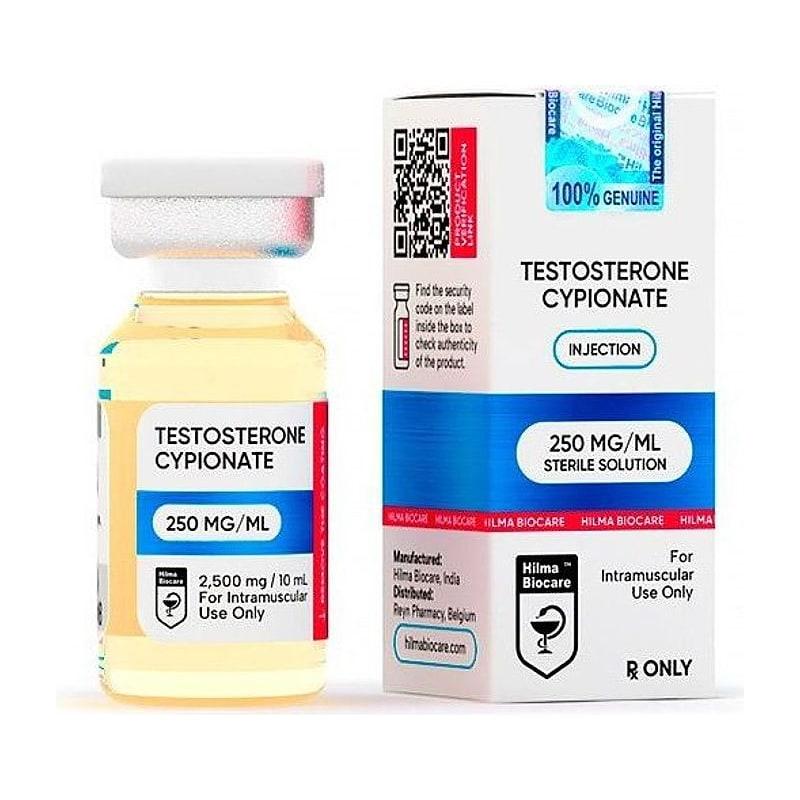
Testosterone Cypionate

Hilma Biocare

Testosterone Cypionate

Long-acting testosterone ester. Similar profile to Enanthate with 14-day half-life.

99.0%· Janoshik

€35
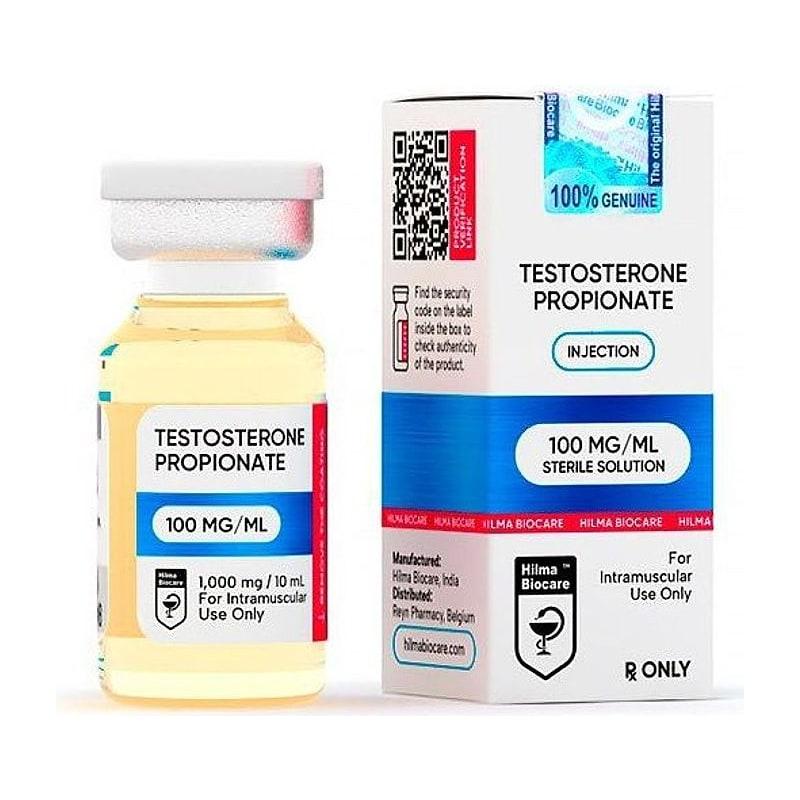
Testosterone Propionate

Hilma Biocare

Testosterone Propionate

Fast-acting testosterone ester. 2-3 day half-life, ideal for short research protocols.

99.1%· Janoshik

€28
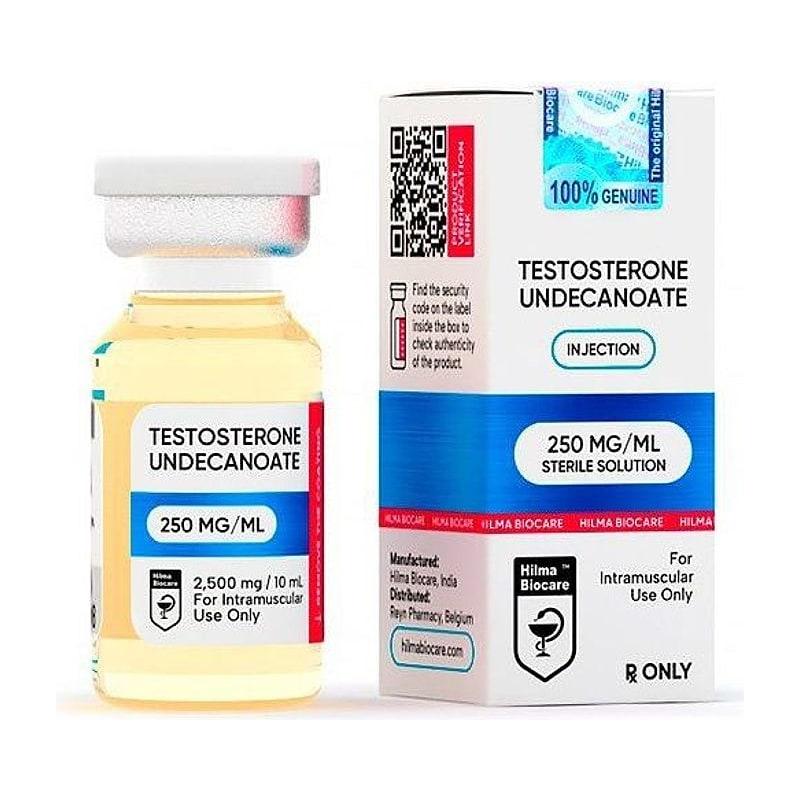
Testosterone Undecanoate

Hilma Biocare

Testosterone Undecanoate

Ultra-long-acting testosterone ester. Extended half-life for depot research.

98.8%· Janoshik

€31

For laboratory research only. Not for human consumption.

Other compounds and subjects

Become a partner

Resellers, laboratories and publishers: apply for partner pricing, volume terms and a dedicated representative.

Become a partner

Research use only. All products are sold strictly for in-vitro and laboratory research. Not for human consumption, veterinary use, diagnosis, treatment or prevention of any disease. Products sold by JuicedPharma are not medicines. By ordering you confirm you are a qualified person buying for research in compliance with applicable regulations. Full disclaimer