Research Disclaimer: All compounds described are sold exclusively for in-vitro and laboratory research use. Not for unsupervised use. This content does not constitute medical advice.
Testosterone's role in maintaining bone density operates through two parallel pathways: direct androgen receptor (AR) activation in osteoblasts and osteocytes, and indirect estrogen receptor (ER) activation via local aromatization of testosterone to estradiol. Both pathways are required — studies in aromatase-knockout male mice demonstrated that testosterone alone (without aromatization capability) is insufficient to maintain full bone density. This dual requirement has significant implications for research protocols using aromatase inhibitors alongside androgens.
Bone Remodeling: The Basic Framework#
Bone is a living tissue continuously remodeled by two cell types:
Osteoblasts (bone builders):
- Differentiate from mesenchymal stem cells (MSCs)
- Secrete type I collagen matrix (osteoid) → mineralized with calcium phosphate (hydroxyapatite)
- Express AR and ER (respond to both testosterone and estradiol)
- Lifespan: ~3 months before apoptosis or embedding as osteocytes
Osteoclasts (bone resorbers):
- Differentiate from monocyte/macrophage precursors
- Activated by RANKL (Receptor Activator of NF-κB Ligand) → secrete hydrochloric acid + cathepsin K → dissolve bone matrix
- Express ER (respond to estradiol for suppression)
- RANKL inhibition: OPG (osteoprotegerin, produced by osteoblasts) acts as RANKL decoy receptor
The RANKL/OPG balance determines bone density:
- High RANKL/low OPG → increased osteoclast activity → bone loss
- Low RANKL/high OPG → osteoclast suppression → bone preservation
Testosterone → Osteoblast AR Signaling#
Direct AR-mediated bone effects:
-
AR expression in osteoblasts: AR is expressed in osteoblasts throughout the bone life cycle — in proliferating preosteoblasts, differentiating osteoblasts, and mature osteocytes.
-
Testosterone + AR → osteoblast effects:
- ↑ Osteoblast proliferation (Runx2/Sp7 transcription factor induction)
- ↑ Osteoblast differentiation and matrix synthesis
- ↓ Osteoblast apoptosis → increased osteoblast lifespan → more bone formation
- ↑ OPG expression → suppresses RANKL-driven osteoclastogenesis
-
DHT and AR in bone:
- DHT (5α-reduced testosterone) is a more potent AR ligand
- Bone expresses 5α-reductase → local DHT production
- DHT → potent AR activation → strong OPG induction
- However: DHT cannot be aromatized → no E2 production from DHT
Research finding: AR knockout mice (ARKO) have osteopenia — confirming AR is essential for maintaining bone mass in males independent of estrogen.
Testosterone → Estradiol → Osteoclast Suppression#
The aromatization-dependent pathway:
Local bone tissue aromatase (CYP19A1) converts testosterone to estradiol. Estradiol is the dominant suppressor of osteoclast activity:
- E2 → ERα on osteoclast precursors → ↑ Fas Ligand → osteoclast apoptosis
- E2 → osteoblasts → ↑ OPG secretion → RANKL decoy → reduced osteoclastogenesis
- E2 → osteocytes → reduced RANKL expression → osteoclast suppression
- E2 → T regulatory cells → reduced pro-inflammatory cytokines (TNF-α, IL-1, IL-6) → reduced RANKL-independent osteoclast activation
Evidence for aromatization requirement:
- ArKO (aromatase knockout) males: Despite normal testosterone, bone density is markedly reduced — because without aromatization, no E2 is produced
- ArKO + estradiol supplementation: Restores bone density → confirms it's E2 deficiency, not testosterone deficiency, causing bone loss in ArKO males
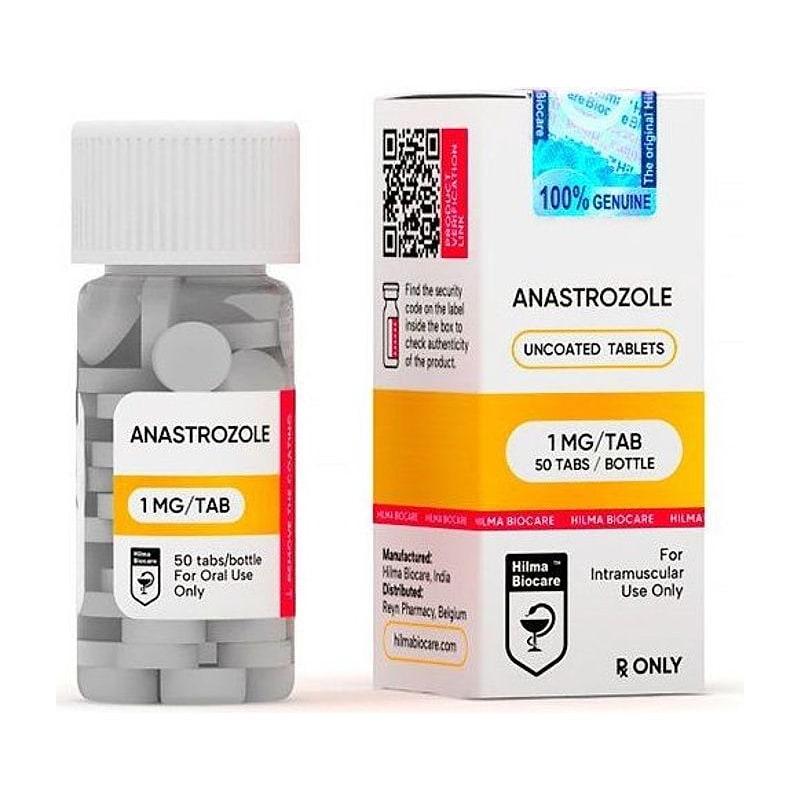
- Anastrozole in males: Clinical AI use → reduced bone density — confirming even physiological E2 suppression matters for bone
Implications for Androgen Research Protocols#
When using testosterone with an AI control:
If your research includes an AI arm (to separate AR from ER effects):
- Expect reduced bone density in the testosterone + AI group vs. testosterone alone
- Track bone density (DEXA or pQCT) as an endpoint
- OPG/RANKL ratio in serum: useful indirect biomarker of bone remodeling balance
Using non-aromatizing androgens in bone research:
| Compound | Aromatizes? | Expected bone effect |
|---|---|---|
| Testosterone | Yes → E2 | Full AR + ER protection |
| DHT (or masteron) | No | AR only → partial bone protection |
| Nandrolone | Minimally | AR (strong) + minimal E2 → intermediate |
| Stanozolol | No | AR only; studies show some bone reduction |
| LGD-4033 | No | SARM; partial AR activation |
Research question: Does SARM AR activation compensate for absent E2 in bone? Published LGD-4033 rodent data shows bone protection despite no aromatization — suggesting sufficient AR activation in osteoblasts can partially substitute for E2.
Nandrolone and Bone: A Special Case#
Why nandrolone has clinical interest for osteoporosis:
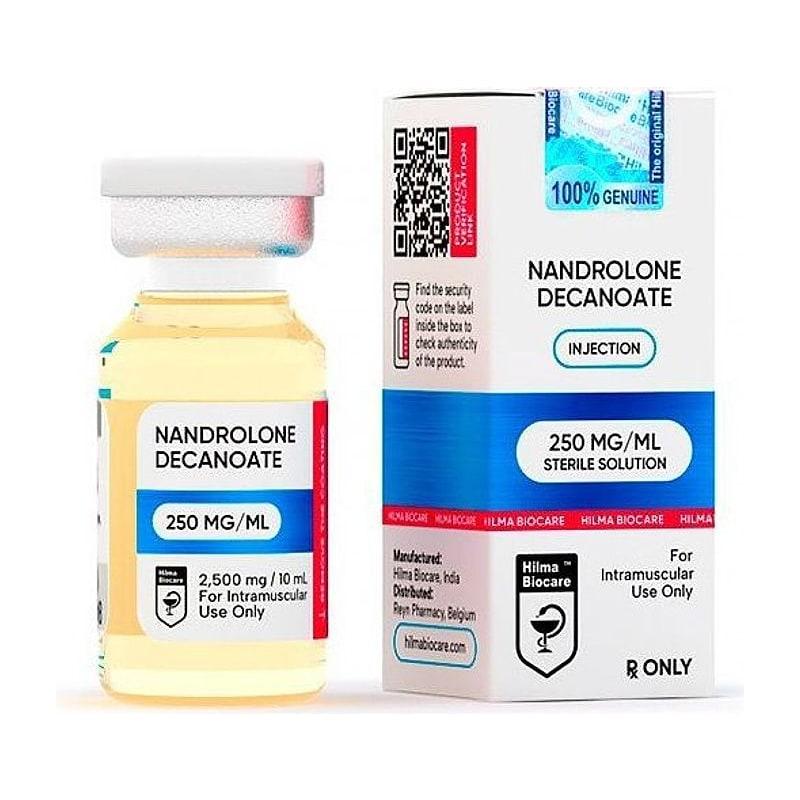
- Nandrolone decanoate has been studied in osteoporosis research for decades
- High anabolic:androgenic ratio (125:37 vs. testosterone 100:100)
- Mechanism: AR activation in osteoblasts + elevated OPG + mild direct antiresorptive effect
- Unique feature: 5α-reduction of nandrolone produces DHN (dihydronandrolone), which is a weak AR agonist (unlike DHT which is stronger) → less androgenic in DHT-sensitive tissues
- This means nandrolone's bone benefits come predominantly from osteoblast AR without the androgenic penalty in skin/prostate
Research Endpoints for Bone Studies#
Preclinical (rodent) bone endpoints:
| Endpoint | Method | What it shows |
|---|---|---|
| Bone mineral density (BMD) | DEXA or pQCT | Total and regional bone density |
| Trabecular microarchitecture | MicroCT | Trabecular number, thickness, spacing |
| Cortical thickness | MicroCT | Cortical bone strength correlate |
| Biomechanical testing | 3-point bending | Ultimate force, stiffness, energy to failure |
| OPG/RANKL in serum | ELISA | Bone remodeling balance biomarker |
| CTX-I (C-telopeptide) | Serum ELISA | Bone resorption marker |
| P1NP (Procollagen I N-propeptide) | Serum ELISA | Bone formation marker |
Research Use Only. JuicedPharma does not provide medical advice.
Published by JuicedPharma Research Team · October 2026 · Category: Research Protocols & Science