Research Disclaimer: All compounds described are sold exclusively for in-vitro and laboratory research use. Not for unsupervised use. This content does not constitute medical advice.
Aromatase (CYP19A1) is the cytochrome P450 enzyme responsible for converting androgens (testosterone, androstenedione) to estrogens (estradiol, estrone). It is expressed in multiple tissues — liver, adipose, brain, bone, testes, ovary — and its activity directly affects the androgen-to-estrogen balance in any research model involving androgenic compounds. Understanding aromatase is essential for any researcher using testosterone or other aromatizing androgens.
The Aromatization Reaction#
Three-step reaction catalyzed by CYP19A1:
Starting material: Androstenedione (or testosterone)
Step 1: C19 hydroxylation → 19-hydroxy-androstenedione Step 2: Second hydroxylation → 19,19-diol intermediate Step 3: Aromatization — loss of the C19 methyl group as formate + rearrangement of A-ring → full aromatic ring → estrone (from androstenedione) or estradiol (from testosterone)
Net reaction:
- Androstenedione + 3 NADPH + 3 O2 → Estrone + Formate + 3 NADP+ + 3 H2O
- Testosterone + 3 NADPH + 3 O2 → Estradiol + Formate + 3 NADP+ + 3 H2O
The electron donor: Cytochrome P450 reductase (CPR) transfers electrons from NADPH to CYP19A1
Tissue Expression and Implications#
| Tissue | Aromatase expression | Estrogen produced | Research relevance |
|---|---|---|---|
| Gonads (testes) | Moderate | Intratesticular E2 | Sperm development; local testosterone regulation |
| Adipose tissue | High in obesity | Major E2 source in men | Increases with body fat; obese men have higher E2 |
| Liver | Moderate | Estrone | Hepatic estrogen metabolism |
| Brain | High (hypothalamus, limbic) | Local E2 for neurological function | Sexual behavior, neuroprotection, GnRH regulation |
| Bone | Moderate | Local E2 for bone density | Critical for bone maintenance in men AND women |
| Breast tissue | Low in normal; high in cancer | Local E2 → breast cancer growth | Primary target for AI in cancer treatment |
Adipose-aromatase connection: Higher body fat → more aromatase → more testosterone converted to estradiol → higher E2/testosterone ratio. This is a key variable in androgen research models: obese rodents have higher aromatase activity → testosterone administered to obese model produces more E2 than the same dose in lean controls → confounding factor.
Aromatization Rates of Different Androgens#
Not all androgens aromatize equally:
| Compound | Aromatization rate (relative to testosterone) | Estrogen produced |
|---|---|---|
| Testosterone | 100% (reference) | Estradiol |
| Androstenedione | ~50% rate | Estrone |
| Nandrolone | ~20% | Estrone |
| Boldenone | ~33% | Equilenin (weak E) |
| Trenbolone | None (C19 modified, 3-keto no aromatization) | None |
| Stanozolol | None (17α-methyl DHT derivative) | None |
| Masteron | None + partial anti-estrogen | None |
| DHT | None (aromatase product; no further aromatization) | None |
Research implication: When comparing anabolic compounds on muscle or body composition, E2 differences are a major confound. Testosterone (high E2) vs. trenbolone (no E2) may show different effects due to estrogen action as much as AR potency differences. Aromatase inhibitor controls are essential.
Estradiol's Role in Anabolic Research#
Why estrogen matters for muscle and bone in androgen research:
Muscle:
- E2 upregulates IGF-1 receptor (IGF-1R) expression in muscle
- E2 reduces inflammatory cytokines → improved satellite cell activation
- Postmenopausal women losing E2: reduced muscle recovery → partly due to E2 loss, not just AR changes
- Research finding: testosterone + aromatase inhibitor (= no E2) produces less anabolic effect than testosterone alone in some rodent models
Bone:
- Estrogen is the primary bone-protective hormone in BOTH sexes
- Aromatase-knockout (ArKO) mice: male mice lose bone density despite high testosterone — because they can't convert it to E2
- This is why aromatase inhibitors in research models produce bone density losses
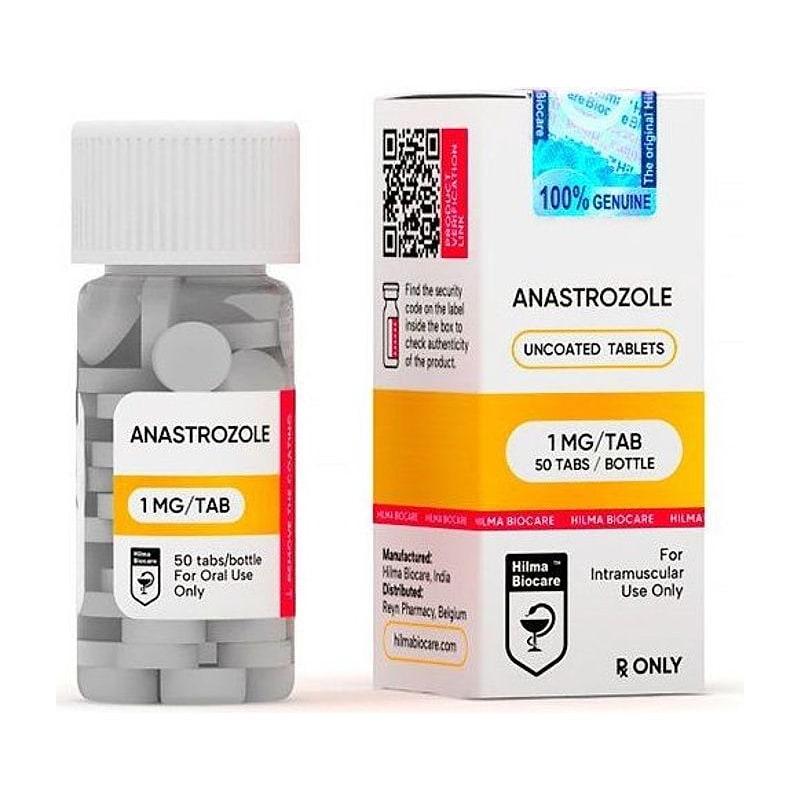
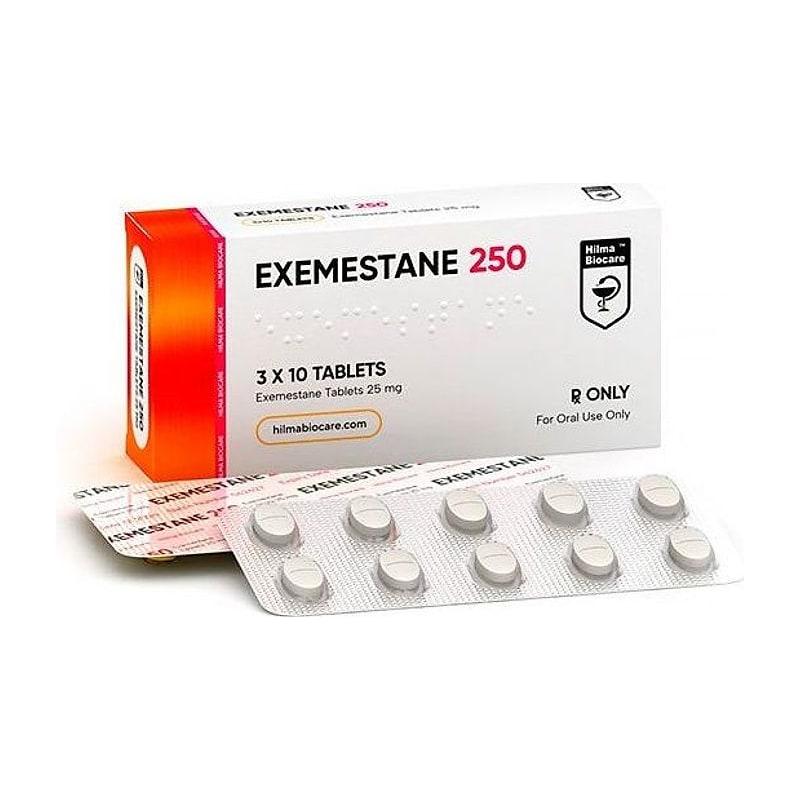
Implications for AI use in androgen research: When using anastrozole or exemestane as a research control, track:
- Bone mineral density (DEXA): AI may reduce BMD
- Muscle response: E2 suppression may reduce the anabolic response
- Lipid profiles: E2 is cardioprotective; AI → adverse lipid changes
Why Some Compounds Don't Aromatize#
Structural requirements for aromatization:
- The C10 methyl group (which connects rings A and B at the 19-position) must be removable
- The A-ring must be capable of aromatization (requires specific substitution pattern)
19-Norsteroids (no 19-methyl group) — partial explanation:
- Nandrolone lacks C19 → reduced aromatization (still has A-ring but missing the carbon that CYP19A1 removes)
- Trenbolone: C19 modifications + other ring features make it non-aromatizable
DHT derivatives (stanozolol, masteron, oxandrolone):
- DHT itself is fully reduced A-ring → not an aromatase substrate
- DHT derivatives inherit this non-aromatizability
Aromatase Inhibitors as Research Controls#
When to include an AI control group:
| Situation | AI needed | Reason |
|---|---|---|
| Testosterone administration | Yes (recommended) | Separate AR from E2 effects |
| Comparing testosterone vs. trenbolone | Yes | Control for aromatization difference |
| Nandrolone research | Consider | Low but not zero aromatization |
| Non-aromatizing compound alone | No | No E2 production |
| Estrogen + androgen interaction research | Yes | AI allows pure androgen arm |
Preferred AI: Anastrozole (reversible; predictable kinetics) for most research models. Exemestane when studying steroidal AI pharmacology specifically.
Research Use Only. JuicedPharma does not provide medical advice.
Published by JuicedPharma Research Team · October 2026 · Category: Research Protocols & Science