Research Disclaimer: All compounds described are sold exclusively for in-vitro and laboratory research use. Not for unsupervised use. This content does not constitute medical advice.
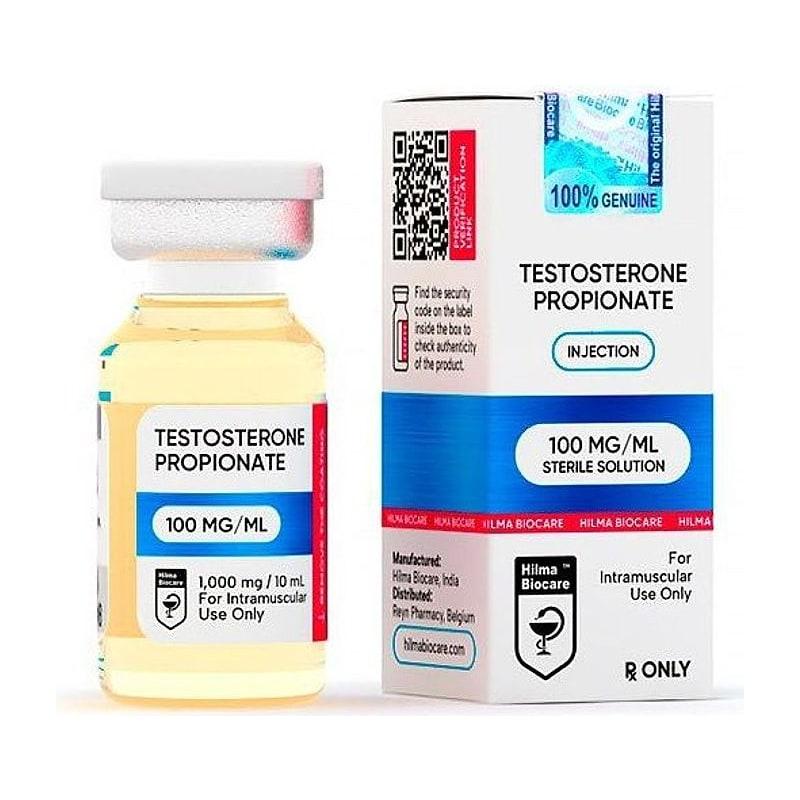
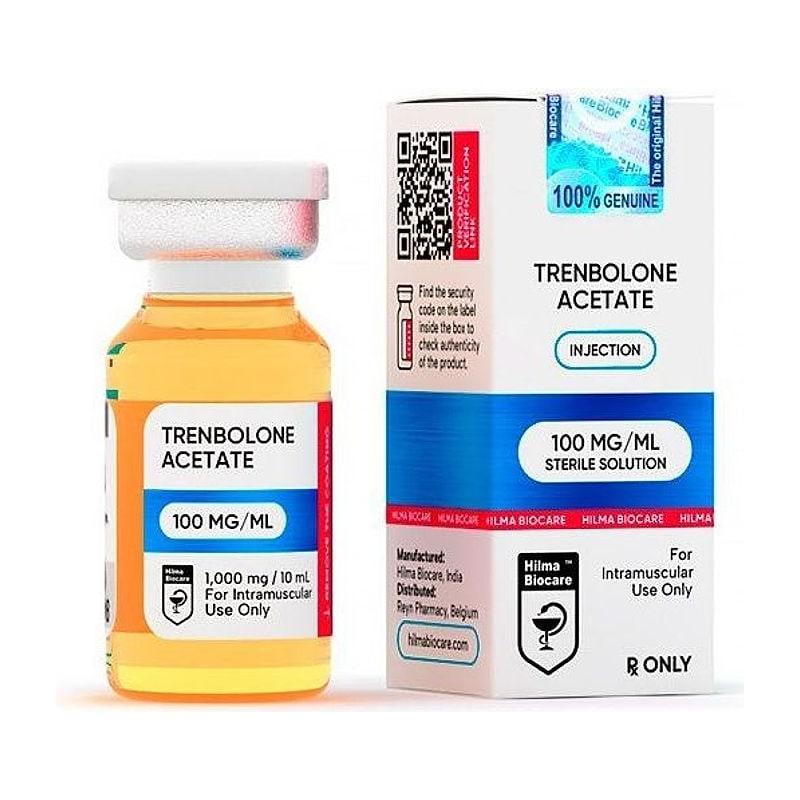
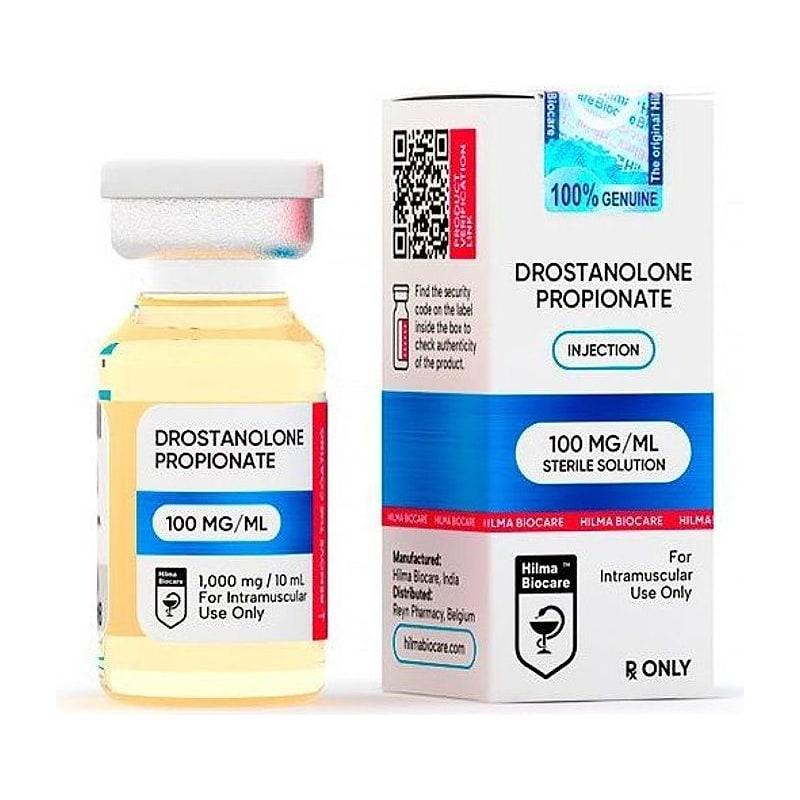
The "cut stack" is the best-characterized three-compound injectable anabolic research combination: testosterone propionate (TP), trenbolone acetate (TrA), and drostanolone propionate (DP). Each component uses a short (propionate/acetate) ester for rapid kinetics and precise dosing control. Pharmacologically, the three compounds are selected for complementary mechanisms: TP provides testosterone baseline and AR agonism; TrA provides extreme anabolic:androgenic ratio, GR antagonism, and nutrient partitioning; DP provides anti-estrogenic AR activity and SHBG displacement. Together they are used in body composition research — specifically fat-free mass preservation during caloric restriction — with the pharmacological rationale for each component well-characterized.
Table of Contents#
- Pharmacological Rationale: Why These Three Compounds
- Component Pharmacokinetics Summary
- Mechanism Matrix: What Each Compound Does
- Combined Pharmacodynamics
- Endpoint Selection for Body Composition Research
- Pre-Mixed Cut Stack Formulations
- Research Protocol Design
- Key References
Pharmacological Rationale: Why These Three Compounds#
The design principle of the cut stack:
| Goal | Selected compound | Mechanism |
|---|---|---|
| Androgen baseline + HPTA reference | Testosterone propionate | AR agonist; short ester for kinetic control |
| Maximum anabolic efficiency / fat partitioning | Trenbolone acetate | Extreme A:A, GR antagonism, mTOR |
| Anti-estrogenic androgens; SHBG displacement | Drostanolone propionate | DHT-derived, ER partial antagonist, SHBG competitor |
Why short esters?
- Propionate (3C) and acetate (2C): t½ ~1.5–2.5 days vs. enanthate (7C) t½ ~7–10 days
- For research: rapid wash-in and wash-out → better temporal control over hormone levels
- Easier dose modification mid-protocol
- Faster recovery of endogenous hormone axis post-protocol
- Trade-off: more frequent injections (EOD) vs. longer esters (1–2× weekly)
Component Pharmacokinetics Summary#
| Property | Testosterone propionate | Trenbolone acetate | Drostanolone propionate |
|---|---|---|---|
| Ester | Propionate (3C) | Acetate (2C) | Propionate (3C) |
| t½ (IM) | ~2–2.5 days | ~1.5–2 days | ~2–2.5 days |
| Injection frequency | EOD | EOD | EOD |
| Tmax | ~24h | ~12–24h | ~24h |
| Aromatization | Yes (testosterone → E2) | None | None |
| 5α-reduction | Yes (testosterone → DHT) | No (no 5α-reductase substrate) | No (already 5α-reduced) |
| Progestogenic activity | No | Yes (~60% of progesterone; GR also) | No |
Combined protocol injection schedule:
- Because all three compounds use propionate/acetate esters with similar t½, they can be co-injected every other day (EOD) in the same syringe (if solvent-compatible)
- Pre-mixed formulations available (150–200 mg/mL total, oil-based)
Mechanism Matrix: What Each Compound Does#
Testosterone propionate#
- AR agonist: maintains lean mass signal
- Aromatizes → E2: NECESSARY at baseline (bone, cardiovascular, libido signaling)
- 5α-reduces → DHT: androgenic effects in skin/scalp/prostate
- Reference hormone: allows proper quantification of added effects from TrA and DP
Trenbolone acetate#
- Extreme AR affinity (Kd ~0.2 nM, ~5–8× testosterone)
- GR partial antagonist → blocks GR-driven muscle catabolism (MAFbx/MuRF-1 suppression) → anti-catabolic under caloric restriction
- No aromatization → no additional E2 burden
- mTOR pathway activation → enhanced protein synthesis
- Nutrient partitioning: AR activation in adipocytes → increased lipolysis, reduced lipogenesis
Drostanolone propionate#
- AR activation with anti-estrogenic side effect profile
- Partial ER antagonism → competes with E2 → reduces E2 transcriptional activity
- SHBG displacement → increases free fraction of co-administered testosterone
- No aromatization → anti-estrogenic contribution to the stack
- SHBG displacement specifically: drostanolone's high SHBG affinity → more bioavailable testosterone per mg administered
Combined Pharmacodynamics#
AR occupancy additive:
- Three separate AR agonists → AR occupancy approaches saturation → maximum possible AR-mediated anabolic signal
- AR target tissue kinetics: multiple AR agonists → prolonged nuclear AR residence → more sustained target gene transcription
Estrogenic management:
- Only testosterone contributes E2 via aromatization
- Drostanolone partially antagonizes E2 at ER level
- Net: lower estrogenic effect per unit AR stimulation than testosterone alone
Anti-catabolic synergy:
- Trenbolone GR antagonism → blocks glucocorticoid-driven catabolism (atrogin-1/MuRF-1)
- Testosterone AR agonism → blocks FOXO3a → reduces atrogin-1 transcription independently
- Combined: two independent anti-catabolic pathways activated → particularly relevant under caloric restriction (when endogenous cortisol rises)
SHBG displacement cascade:
- Drostanolone → occupies SHBG → releases bound testosterone
- More free testosterone → more AR activation → more anabolic signal per unit testosterone dose
Endpoint Selection for Body Composition Research#
Primary endpoints (castrated rat model):
- Body composition via DEXA: lean mass, fat mass, bone mineral density
- Tissue weights: levator ani (anabolic marker), ventral prostate (androgenic marker) → A:A calculation
- Serum: E2, testosterone (LC-MS/MS), SHBG, LH, FSH
Metabolism endpoints:
- Energy expenditure (indirect calorimetry or metabolic cage)
- Adipose lipolysis: serum NEFA, adipose CPT1/HSL expression (RT-qPCR)
- Hepatic lipid: liver TG content (histology + enzymatic assay)
Anti-catabolic endpoints (caloric restriction model):
- Muscle ubiquitin-proteasome: atrogin-1, MuRF-1 mRNA (RT-qPCR)
- Protein synthesis rate: SUnSET method (puromycin incorporation)
- Muscle fiber cross-sectional area (Type I/II): histology with ATPase/myosin staining
Safety endpoints:
- Hematocrit (TrA → EPO → polycythemia risk)
- Liver enzymes (ALT/AST — no C17α-alkylated compound in this stack, but monitoring still warranted)
- Cardiovascular: cardiac mass (cardiomegaly at high TrA doses), blood pressure
Pre-Mixed Cut Stack Formulations#
Some research suppliers offer pre-mixed cut stack solutions:
Typical composition:
- Testosterone propionate: 50–100 mg/mL
- Trenbolone acetate: 50–75 mg/mL
- Drostanolone propionate: 50–100 mg/mL
- In pharmaceutical-grade oil (MCT or benzyl benzoate/benzyl alcohol)
Research considerations:
- Pre-mixed formulations: convenient but fixed ratio — limits dose adjustments per component
- Separate vials: allow precise individual titration (preferred for mechanistic research)
- Stability: acetate/propionate esters stable at room temperature up to 24 months in sealed vials; avoid freeze-thaw cycling
Research Protocol Design#
Cut stack body composition study: castrated rat model#
| Parameter | Specification |
|---|---|
| Model | Adult castrated male SD rats, 2-week recovery post-castration |
| Groups | 1. Vehicle (castrated), 2. TP 3 mg/kg EOD, 3. TrA 2 mg/kg EOD, 4. DP 3 mg/kg EOD, 5. TP+TrA+DP full cut stack |
| Caloric manipulation | Groups split: ad libitum vs. 30% caloric restriction (CR) |
| Duration | 6 weeks |
| Primary endpoints | DEXA at baseline, week 3, week 6; levator ani/ventral prostate at termination |
| Statistical design | 2×5 factorial (treatment × diet) with Tukey post-hoc |
Key References#
-
Bhasin S, et al. (2001). "Testosterone dose-response relationships in healthy young men." American Journal of Physiology, 281(6):E1172–E1181.
-
Brower KJ. (2002). "Anabolic steroids: addictive, psychiatric, and medical consequences." American Journal of Addictions, 11(4):253–259.
-
Wood RI. (2008). "Anabolic-androgenic steroid dependence? Insights from animals and humans." Frontiers in Neuroendocrinology, 29(4):490–506.
Research Use Only: All compounds described are sold exclusively for in-vitro research and laboratory use. Not for unsupervised use. JuicedPharma does not provide medical advice.
Published by JuicedPharma Research Team · September 2026 · Category: Research Protocols & Science