Research Disclaimer: All compounds described are sold exclusively for in-vitro and laboratory research use. Not for unsupervised use. This content does not constitute medical advice.
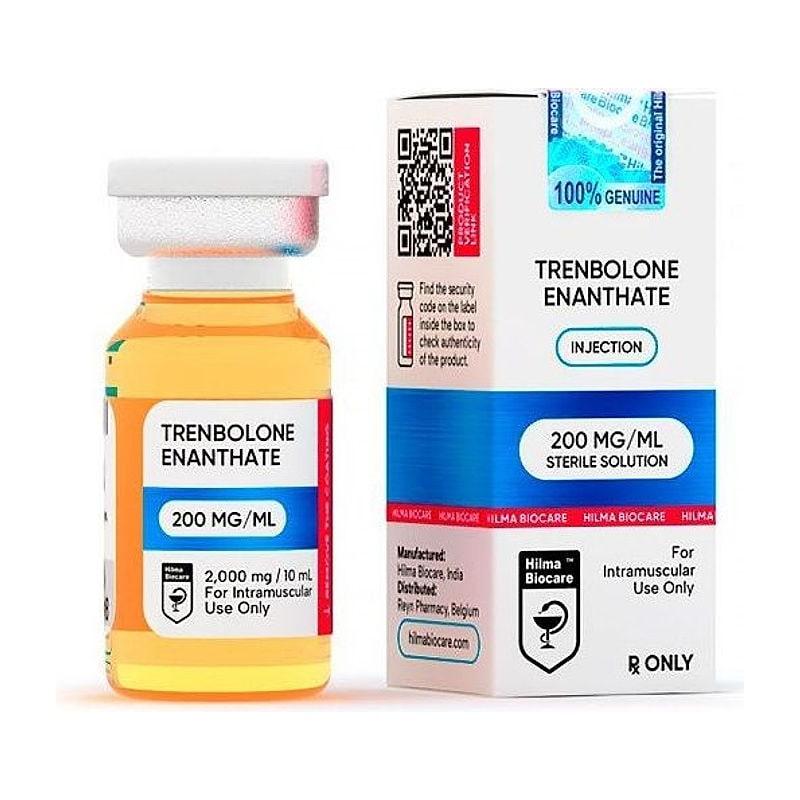
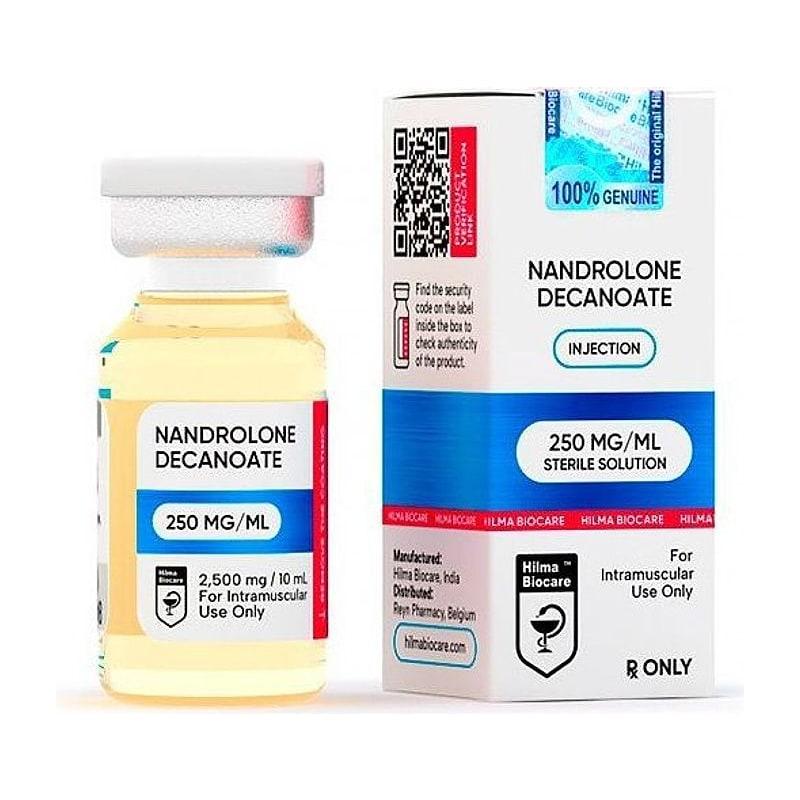
Multi-compound anabolic steroid protocols are used in research when no single compound provides sufficient coverage of the pharmacological space under investigation. Combining testosterone (complete androgen, HPTA reference) with trenbolone (maximal AR potency, GR antagonism, no aromatization) and nandrolone or boldenone (tissue-selective anabolic, collagen/EPO effects) allows systematic study of additive or synergistic anabolic mechanisms, hormonal axis suppression, and connective tissue endpoints that are beyond the reach of any single-compound protocol.
Table of Contents#
- Rationale for Multi-Compound Protocols
- Pharmacological Complementarity Matrix
- Standard Base Protocol: Testosterone + Trenbolone
- Extended Protocol: Adding Nandrolone or Boldenone
- Endpoint Battery for Multi-Compound Studies
- Dose Matching and Equipotency
- Safety Monitoring Endpoints
- Statistical Design for Combination Studies
- Key References
Rationale for Multi-Compound Protocols#
Why single compounds are sometimes insufficient#
Single-compound anabolic studies answer: "What does compound X do at dose Y?"
Multi-compound studies can answer:
- "Does combining X and Y produce additive, synergistic, or antagonistic effects?"
- "Can the erythropoietic effect of boldenone synergize with the collagen effect of nandrolone in a recovery model?"
- "Does trenbolone's GR antagonism enhance testosterone's muscle anabolic effect in a catabolic stress model?"
- "What is the pharmacological profile of the real-world combination used in sports doping — and what are its safety implications?"
Multi-compound research requires careful design to maintain interpretability.
Pharmacological Complementarity Matrix#
When designing a multi-compound protocol, first map the distinct pharmacological contributions of each compound:
| Mechanism | Testosterone | Trenbolone | Nandrolone | Boldenone |
|---|---|---|---|---|
| Direct AR activation (muscle) | ++ | +++ | ++ | ++ |
| AR activation (prostate) | +++ (via DHT) | +++ (direct) | + (weak DHN) | ++ |
| PR agonism (HPTA suppression) | Negligible | +++ | + | Negligible |
| GR partial antagonism | None | ++ | None | Minimal |
| Aromatization to E2 | +++ | None | Minimal | + |
| Collagen synthesis | + | + | +++ | + |
| EPO stimulation | + | ++ | + | +++ |
| Bone anabolism | ++ | ++ | +++ | + |
| SHBG suppression | + | ++ | + | + |
Complementary combination rationale:
- Testosterone provides the estrogenic signal for bone and libido (if E2 is desired in the model)
- Trenbolone provides maximum AR potency and GR antagonism (anti-catabolic)
- Nandrolone or boldenone provide either superior collagen synthesis (ND) or superior EPO/erythropoiesis (BU)
Standard Base Protocol: Testosterone + Trenbolone#
Rationale#
The testosterone + trenbolone (TrE) combination is the most commonly studied two-compound anabolic protocol:
- Testosterone: provides E2 (important for bone, cardiovascular endpoints, complete hormonal milieu)
- Trenbolone: adds maximal AR potency + GR antagonism + no additional aromatization
- Together: covers both AR-driven anabolism AND estrogen-dependent endpoints AND anti-catabolism
Castrated rat protocol (testosterone + trenbolone)#
| Parameter | Specification |
|---|---|
| Model | Adult castrated male SD rats, 14-day recovery |
| Groups | 1. Vehicle, 2. TE alone (3 mg/kg SC q3d), 3. TrE alone (3 mg/kg SC q4d), 4. TE + TrE (1.5 + 1.5 mg/kg — half doses combined), 5. TE + TrE (3 + 3 mg/kg — full doses combined) |
| Duration | 8 weeks |
| Endpoints | Body composition (DEXA), quadriceps mass, serum LH/FSH, E2, testosterone, trenbolone (LC-MS/MS), MAFbx/MuRF1 mRNA, protein synthesis (SUnSET), ventral prostate weight, bone density (μCT femur) |
Key statistical question: Is the effect of TE + TrE greater than the sum of TE alone + TrE alone (synergism), equal to the sum (additivity), or less (antagonism)?
Extended Protocol: Adding Nandrolone or Boldenone#
Option A: Testosterone + Trenbolone + Nandrolone#
Rationale:
- TE: estrogen background, complete androgen milieu
- TrE: maximal AR potency, GR antagonism
- ND: superior collagen synthesis, PR-mediated HPTA suppression (reduces need for high TE/TrE for HPTA suppression endpoint)
Three-compound hypothesis: The collagen synthesis endpoint (nandrolone), anabolic endpoint (trenbolone), and estrogenic bone endpoint (testosterone) can be studied simultaneously in a single animal cohort — more efficient than three separate two-compound studies.
Trade-off: statistical complexity increases; n per group must increase to maintain power for 3-way interactions.
Option B: Testosterone + Nandrolone + Boldenone#
Rationale:
- TE: hormonal base
- ND: collagen, HPTA suppression, bone
- BU: EPO stimulation, moderate aromatization
Research question: Does a testosterone-deficient (erythropoietically active) combination of ND + BU produce a comprehensive anabolic + erythropoietic + connective tissue response?
Endpoint Battery for Multi-Compound Studies#
A comprehensive endpoint battery for multi-compound androgen research:
Hormonal endpoints#
| Endpoint | Method | Frequency |
|---|---|---|
| Serum LH, FSH | ELISA (species-specific) | Week 0, 4, 8 (trough) |
| Serum testosterone, trenbolone, nandrolone | LC-MS/MS | Week 0, 4, 8 (trough + peak) |
| Serum E2, DHT | LC-MS/MS | Week 0, 4, 8 |
| Serum SHBG | RIA or ELISA | Week 0, 8 |
Anabolic endpoints#
| Endpoint | Method | Timing |
|---|---|---|
| Body composition | DEXA (lean mass, fat mass, BMD) | Week 0, 4, 8 |
| Tissue weights | Gravimetric at terminal harvest | Terminal |
| Protein synthesis | SUnSET (puromycin incorporation) | Terminal |
| MAFbx, MuRF1 mRNA | RT-qPCR | Terminal |
Connective tissue endpoints#
| Endpoint | Method | Timing |
|---|---|---|
| Serum PINP (type I collagen) | ELISA | Week 0, 4, 8 |
| Achilles tendon hydroxyproline | Hydroxyproline assay | Terminal |
| Tendon mechanical testing | Uniaxial tensile testing (max load, stiffness) | Terminal |
Erythropoietic endpoints#
| Endpoint | Method | Timing |
|---|---|---|
| CBC (hematocrit, hemoglobin, RBC count) | Automated hematology analyzer | Week 0, 4, 8 |
| Reticulocyte count | Automated (immature reticulocyte fraction) | Week 0, 4, 8 |
| Serum EPO | ELISA (species-specific) | Week 0, 4, 8 |
Safety endpoints#
| Endpoint | Method | Timing |
|---|---|---|
| ALT, AST | Automated chemistry | Week 0, 4, 8 |
| Liver histology | H&E, Trichrome (fibrosis) | Terminal |
| Kidney histology | H&E | Terminal |
| Testicular weight and histology | Gravimetric + H&E | Terminal |
| Hematocrit (polycythemia risk) | CBC | Weekly |
| Blood pressure (mean arterial) | Tail-cuff plethysmography | Week 0, 4, 8 |
Dose Matching and Equipotency#
For multi-compound studies, equianabolic dosing is recommended for fair comparison:
Equianabolic dose equivalents (castrated rat, approximate)#
Targeting ~60–70% maximal levator ani restoration:
| Compound | Equianabolic dose (rat) | Route and frequency |
|---|---|---|
| Testosterone enanthate | 2–3 mg/kg | SC q3d |
| Trenbolone enanthate | 1–2 mg/kg | SC q4d (higher potency per mg) |
| Nandrolone decanoate | 3–5 mg/kg | SC weekly |
| Boldenone undecylenate | 5–7 mg/kg | SC weekly |
In combination protocols, start at 50% of each equianabolic dose (to avoid potential AR saturation effects and to have room to test dose-response of the combination).
Safety Monitoring Endpoints#
Multi-compound protocols carry amplified safety monitoring requirements:
Cardiovascular#
- Hematocrit: polycythemia risk is increased with multi-compound protocols (both TE and BU/ND stimulate erythropoiesis, and trenbolone's HPTA suppression is very complete) → weekly or bi-weekly hematocrit measurement
- Blood pressure monitoring in chronic models (>8 weeks): trenbolone and high-dose testosterone can raise BP via retained sodium (aldosterone-like effects) or erythrocytosis-driven hyperviscosity
Hepatic#
- ALT/AST: testosterone alone → minimal; oral anabolics → elevated; injectable-only protocol → monitor but usually modest elevations only
- If oral compounds are included in the stack: liver histology is essential
Prostate#
- Prostate weight as androgenic safety endpoint (Hershberger)
- PSA (prostate-specific antigen): relevant in primate models
Statistical Design for Combination Studies#
Factorial design#
For a testosterone × trenbolone combination:
- Factor A: testosterone (absent, low dose, high dose)
- Factor B: trenbolone (absent, low dose, high dose)
- Full factorial: 3 × 3 = 9 groups (+ vehicle = 10 groups total)
- N = 8–10 per group → 80–100 animals total
- Power: 80% for detecting 30% group difference in levator ani weight at α=0.05
Interaction term#
Two-way ANOVA with interaction term:
- Main effect A: is testosterone alone significant?
- Main effect B: is trenbolone alone significant?
- Interaction A×B: is the combination effect significantly different from expected additive (sum of main effects)?
- Positive interaction (synergy): combination > main effect A + main effect B
- Negative interaction (antagonism): combination < main effect A + main effect B
Key References#
-
Kicman AT. (2008). "Pharmacology of anabolic steroids." British Journal of Pharmacology, 154(3):502–521.
-
Bhasin S, et al. (2001). "Testosterone dose-response relationships in healthy young men." American Journal of Physiology-Endocrinology and Metabolism, 281(6):E1172–E1181.
-
OECD Test Guideline 441. (2009). "Hershberger Bioassay in Rats."
-
Hartgens F & Kuipers H. (2004). "Effects of androgenic-anabolic steroids in athletes." Sports Medicine, 34(8):513–554.
Research Use Only: All compounds described are sold exclusively for in-vitro research and laboratory use. Not for unsupervised use. JuicedPharma does not provide medical advice.
Published by JuicedPharma Research Team · September 2026 · Category: Research Protocols & Science