Research Disclaimer: All compounds described are sold exclusively for in-vitro and laboratory research use. Not for unsupervised use. This content does not constitute medical advice.
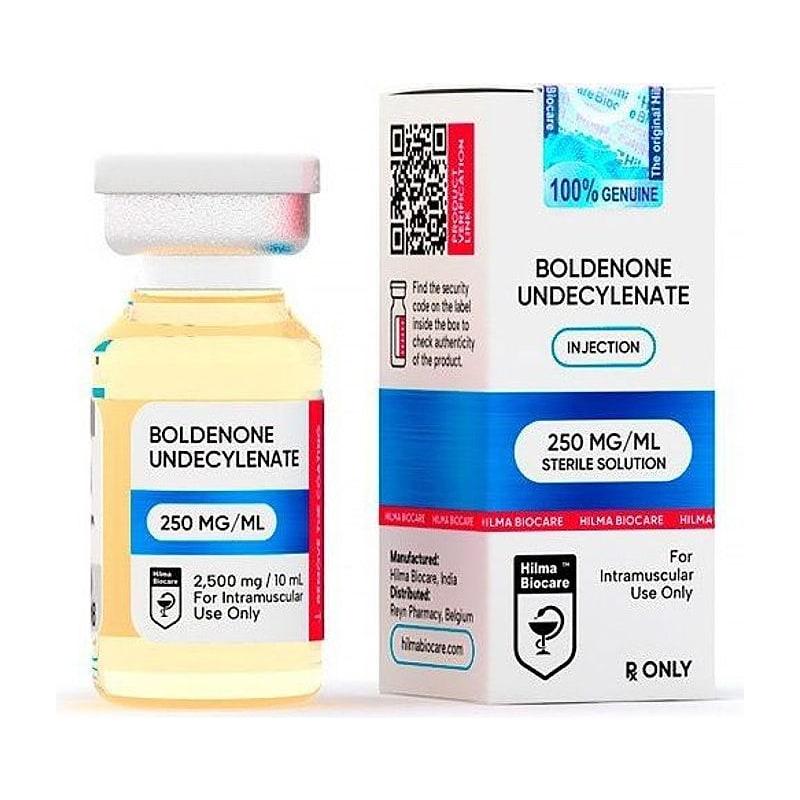
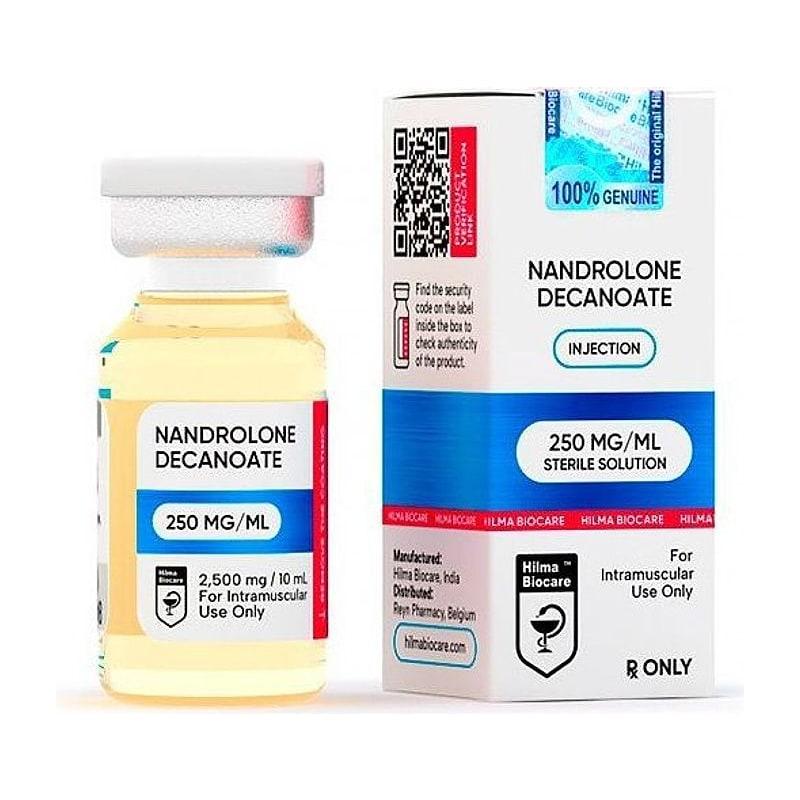
Multi-compound anabolic steroid research protocols allow investigators to study the additive or synergistic effects of combining androgens with complementary pharmacological profiles. The boldenone undecylenate + nandrolone decanoate combination is pharmacologically interesting because these two compounds contribute distinct effects: boldenone's superior erythropoietic (EPO-stimulating) properties combined with nandrolone's superior collagen synthesis and HPTA-suppressing effects. This overview provides protocol design rationale for research combining these two 19-modified androgens.
Table of Contents#
- Pharmacological Rationale for the Stack
- Complementary Mechanisms
- Potential Interactions and Considerations
- Endpoint Selection for Multi-Compound Studies
- Dose Selection and Equipotency Matching
- Research Protocol: Boldenone + Nandrolone in Castrated Rats
- In Vitro Combination Studies
- Data Interpretation Challenges
- Key References
Pharmacological Rationale for the Stack#
Why combine boldenone and nandrolone?#
Both boldenone and nandrolone are primarily AR agonists with anabolic tissue selectivity. Their distinction from testosterone is:
- Both have reduced androgenicity in 5α-reductase-rich tissues
- Both have lower aromatization rates than testosterone
Their difference from each other is the key rationale for combining them:
| Property | Boldenone | Nandrolone | Combination potential |
|---|---|---|---|
| EPO/erythropoiesis | High | Moderate | Additive EPO stimulation |
| Collagen synthesis | Moderate | High | Boldenone adds modest collagen support |
| PR binding | Low (~1%) | Moderate (~20%) | Nandrolone provides PR-mediated HPTA suppression |
| Aromatization | ~50% of T (moderate E2) | ~20% of T (low E2) | Combination: intermediate estrogen signal |
| Bone anabolism | Moderate | High | Nandrolone anchors bone effects |
| Hepatic IGF-1 | Moderate | Moderate | Approximately additive |
The combination allows study of: can EPO-driven erythrocytosis (boldenone) synergize with collagen-driven connective tissue improvement (nandrolone) in a model of recovery from musculoskeletal injury or anemia?
Complementary Mechanisms#
Boldenone's unique contribution: EPO stimulation#
Boldenone stimulates EPO production in renal peritubular fibroblasts (HIF-1α/EPO axis) more potently than nandrolone at equivalent AR-activating doses. This drives:
- Increased red blood cell production
- Increased oxygen delivery to muscle and connective tissue
- In injury repair models: improved tissue oxygenation during repair process
Nandrolone's unique contribution: Collagen synthesis#
Nandrolone upregulates procollagen type I and III in fibroblasts and tenocytes more consistently than boldenone (based on available literature). Combined with its superior HPTA suppression, nandrolone anchors the hormonal suppression endpoint while contributing collagen effects.
Shared AR activation: Additive muscle anabolism#
Both compounds activate AR in skeletal muscle (both have low 5α-reductase activity in muscle):
- ARE-driven gene expression (IGF-1, follistatin)
- Anti-proteolytic (reduced MAFbx/MuRF1)
- At equivalent doses, combination may produce additive muscle hypertrophy signals — if AR is not already saturated by either compound alone
Potential Interactions and Considerations#
AR saturation#
At high doses of either compound, AR in muscle cells may be saturated → adding the second compound provides no additional anabolic response. Research using combination should verify that individual doses are below AR-saturating concentrations (≤EC80 for each compound alone) to maintain space for additivity.
Competitive AR binding#
Both compounds compete for the same AR binding site. When both are present simultaneously:
- Binding competition depends on relative concentrations and binding affinities
- At equal concentrations: the compound with higher AR affinity dominates
- Nandrolone RBA ~0.6–1.0× testosterone; boldenone RBA ~0.5–0.8× testosterone
- Roughly equivalent competition → mixed AR occupancy
SHBG binding#
Both boldenone and nandrolone bind SHBG (sex hormone-binding globulin) — boldenone with slightly higher SHBG affinity than nandrolone. In combination, they compete for SHBG binding sites → may affect free fraction of each. For in vivo studies, measure both total and free compound concentrations.
Progestogenic additivity#
Nandrolone adds PR agonism to the combination. Boldenone contributes minimal PR activity. Net: combination progestogenic activity is mainly from nandrolone alone. This is relevant for male contraception and HPTA suppression studies.
Endpoint Selection for Multi-Compound Studies#
For a boldenone + nandrolone combination study, a comprehensive endpoint panel should capture each compound's unique contribution:
| Endpoint | Relevance | Which compound contribution |
|---|---|---|
| Hematocrit / hemoglobin | Erythropoiesis | Primarily boldenone |
| Reticulocyte count | Active erythropoiesis | Primarily boldenone |
| Serum EPO | Renal EPO production | Primarily boldenone |
| Serum PINP | Type I collagen synthesis | Primarily nandrolone |
| Tendon hydroxyproline | Collagen content | Nandrolone > boldenone |
| Levator ani weight | Anabolic (Hershberger) | Both (additive) |
| Ventral prostate weight | Androgenic | Both (moderate) |
| Quadriceps mass | Muscle hypertrophy | Both (additive) |
| BMD (DEXA) | Bone density | Both (additive) |
| Serum LH, FSH | HPTA suppression | Primarily nandrolone (PR) + both (AR) |
| Serum E2 | Estrogenic signal | Both (boldenone > nandrolone) |
Dose Selection and Equipotency Matching#
Principle: equianabolic dosing#
For a meaningful combination study, the individual compound doses should each produce a defined level of AR activation alone (e.g., 50% of maximal levator ani response), then the combination is tested:
- If additive: combination = 75–100% of maximal response
- If sub-additive (partial AR saturation): combination = 50–70% (less than sum of individuals)
- If synergistic: combination > 100% (only possible if boldenone contributes a distinct, non-AR mechanism)
Approximate equianabolic doses (rat)#
| Compound | Dose for ~50% levator ani restoration (castrated rat) |
|---|---|
| Nandrolone decanoate | ~3 mg/kg SC weekly |
| Boldenone undecylenate | ~5 mg/kg SC weekly |
| Testosterone enanthate | ~2–3 mg/kg SC q3 days |
Combination study: ND 3 mg/kg weekly + BU 5 mg/kg weekly → expect additive to sub-additive muscle response, with boldenone-specific EPO contribution and nandrolone-specific collagen contribution.
Research Protocol: Boldenone + Nandrolone in Castrated Rats#
| Parameter | Specification |
|---|---|
| Model | Adult male SD rats (300–350g), bilateral orchiectomy, 14 days recovery |
| Groups | 1. Vehicle (oil SC weekly), 2. BU alone (5 mg/kg SC weekly), 3. ND alone (3 mg/kg SC weekly), 4. BU + ND (5 + 3 mg/kg SC weekly), 5. TE 5 mg/kg SC q3 days (testosterone reference) |
| Duration | 10 weeks |
| Vehicle | Sesame oil, 0.5 mL SC (split injection sites for combination group) |
| Serum sampling | Week 0, 4, 8, 10 (trough, 7 days post-injection): testosterone/boldenone/nandrolone by LC-MS/MS, LH, FSH, E2, EPO, PINP |
| Terminal harvest | Week 10: body weight, tissue weights, CBC (hematocrit, hemoglobin, reticulocytes), Achilles tendon mechanical testing, DEXA |
| Analysis | Two-way ANOVA (compound A × compound B) to test for statistical interaction (additivity, synergy, or sub-additivity) |
In Vitro Combination Studies#
Combination collagen synthesis in fibroblasts#
| Parameter | Specification |
|---|---|
| Cells | Primary human dermal fibroblasts |
| Treatments | Vehicle, boldenone 10 nM, nandrolone 10 nM, boldenone 10 nM + nandrolone 10 nM |
| Duration | 72h |
| Endpoints | COL1A1 mRNA (RT-qPCR), secreted PICP (ELISA), cell viability |
| Analysis | Two-way ANOVA: is the combination significantly different from the predicted additive response (boldenone alone + nandrolone alone sum)? |
Combination EPO stimulation in renal cells#
| Parameter | Specification |
|---|---|
| Cells | Human renal peritubular fibroblasts (hRPTF) or Hep3B cells (EPO-expressing model) |
| Treatments | Vehicle, boldenone 10–100 nM, nandrolone 10–100 nM, combination matrix |
| Endpoint | EPO mRNA (RT-qPCR), secreted EPO protein (ELISA from conditioned medium) |
Testosterone Enanthate, €37 · 99.2% purity
Data Interpretation Challenges#
Separating compound contributions#
In a combination study with two compounds that both activate AR, attributing specific endpoint changes to one compound is difficult without additional experimental design elements:
- Selective inhibitors: use a PR antagonist (mifepristone) to separate nandrolone's progestogenic effects from AR effects
- 5α-reductase inhibitors: dutasteride co-treatment to compare compound effects with 5α-reduction blocked
- Pharmacokinetic profiling: measure boldenone and nandrolone concentrations separately by LC-MS/MS throughout the study — confirm exposure ratios
Statistical interaction testing#
For combination studies, do not merely compare group means. Test for statistical interaction:
- Null hypothesis: the combination effect = sum of individual effects (additivity)
- Statistical test: two-way ANOVA with interaction term, or isobologram analysis for concentration-response combinations
- Departure from additivity = synergy (super-additive) or antagonism (sub-additive)
Key References#
-
Kicman AT. (2008). "Pharmacology of anabolic steroids." British Journal of Pharmacology, 154(3):502–521.
-
Shahidi NT. (2001). "A review of the chemistry, biological action, and clinical applications of anabolic-androgenic steroids." Clinical Therapeutics, 23(9):1355–1390.
-
Hartgens F & Kuipers H. (2004). "Effects of androgenic-anabolic steroids in athletes." Sports Medicine, 34(8):513–554.
-
Evans NA. (2004). "Current concepts in anabolic-androgenic steroids." American Journal of Sports Medicine, 32(2):534–542.
Research Use Only: All compounds described are sold exclusively for in-vitro research and laboratory use. Not for unsupervised use. JuicedPharma does not provide medical advice.
Published by JuicedPharma Research Team · September 2026 · Category: Research Protocols & Science