Research Disclaimer: All compounds described are sold exclusively for in-vitro and laboratory research use. Not for unsupervised use. This content does not constitute medical advice.
The testosterone + nandrolone combination represents the most extensively studied two-compound anabolic stack in research literature. The pharmacological rationale combines testosterone's AR agonism and aromatization-derived anabolic effects with nandrolone's complementary 19-nor pharmacology: stronger progestogenic activity, reduced androgenicity via 5α-reduction to weaker DHN, unique collagen synthesis stimulation, and direct anti-catabolic activity. Together they recruit more anabolic pathways per unit of androgenic stimulation than either compound alone.
Why These Two Compounds Together#
Non-overlapping mechanisms:
| Mechanism | Testosterone | Nandrolone |
|---|---|---|
| AR agonism | Yes (strong) | Yes (strong) |
| Aromatization → E2 | Yes | Minimal (19-nor doesn't aromatize readily) |
| 5α-reduction product | DHT (high affinity AR) | DHN (low affinity AR, minimal androgenicity) |
| Progestogenic activity | Minimal | ~20% progesterone RBA |
| Collagen/connective tissue | Moderate | Strong (unique) |
| GR activity | Minimal | Partial |
| HPTA suppression | Via AR + E2 pathways | Via AR + progestogen pathways |
Why E2 from testosterone is beneficial in mass protocols:
- E2 (from testosterone aromatization) → ER-mediated anabolic effects on bone, muscle satellite cells, GH/IGF-1 axis
- IGF-1 amplification: E2 → liver → increased IGF-1 → muscle IGF-1R activation → mTOR → protein synthesis
- Water retention (intramuscular): increases strength output and training performance metrics
Why nandrolone's 5α-reduction to DHN is beneficial:
- DHT (from testosterone) → high AR in prostate/scalp/skin → androgenic side effects
- DHN (from nandrolone) → very weak AR → minimal prostate stimulation, minimal androgenicity in hair follicles
- Per unit anabolic effect, nandrolone generates less androgenic side effect than testosterone
Ester Selection: Long-Acting Combinations#
Standard long-acting mass stack:
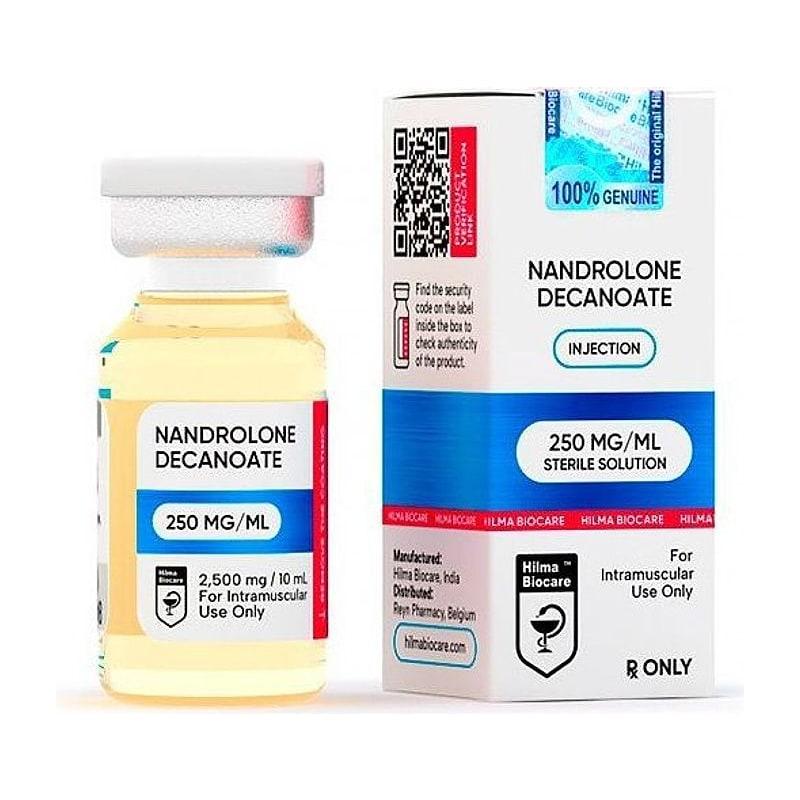
- Testosterone enanthate (t½ ~9 days) + Nandrolone decanoate (t½ ~15 days)
- Both once weekly or twice weekly dosing
- Both reach steady-state over 6–11 weeks
- Convenient: matched injection schedule; compatible in same syringe (both oil-based)
Short-acting alternative:
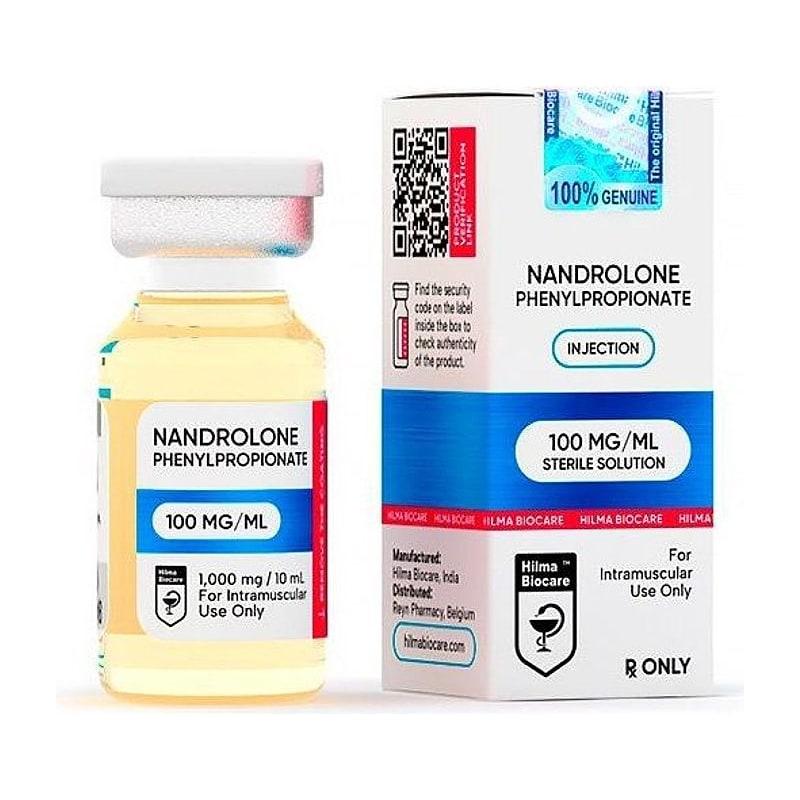
- Testosterone propionate (t½ ~2.5 days) + Nandrolone phenylpropionate (t½ ~5 days)
- Both EOD to 3× weekly
- Faster steady-state (~10–25 days respectively)
- Advantage: faster dose adjustment, cleaner washout for endpoint studies
Progestogen + Prolactin Management#
Nandrolone's progestogenic activity:
- 19-nor steroids (nandrolone, trenbolone) → progesterone receptor agonism
- Progesterone receptor activation + hypoestrogenism → dopamine suppression → prolactin elevation
- Elevated prolactin → galactorrhea risk, further HPTA suppression, libido reduction
Research design consideration:
- In mass stack research: if studying prolactin-related endpoints, include prolactin measurement
- Cabergoline co-treatment: D2 agonist → dopaminergic inhibition of lactotrophs → normalizes prolactin
- Timing: prolactin elevation appears ~4–8 weeks into nandrolone use at research doses
Endpoint Design for Mass Protocols#
Primary:
- Body composition (DEXA): lean mass, fat mass, bone mineral density at baseline, midpoint, end
- Muscle fiber histology: cross-sectional area (Type I and II), satellite cell activation (Pax7/MyoD IHC)
Hormonal monitoring:
- Testosterone, E2, LH, FSH, prolactin (LC-MS/MS and ELISA)
- SHBG (modified by stanozolol co-treatment; not this stack)
Connective tissue (nandrolone-specific):
- Collagen synthesis: ³H-proline incorporation in tendon fibroblast culture or ex vivo tendon segment
- Tendon biomechanics: Young's modulus, ultimate tensile strength (if terminal)
Safety:
- Hepatic: ALT/AST — injectable only, minimal risk; monitor at baseline and protocol end
- Hematocrit: androgens → EPO → RBC increase; monitor for polycythemia (Hct >52%)
- Cardiovascular: echocardiography at baseline and end for cardiac hypertrophy assessment
Research Use Only. JuicedPharma does not provide medical advice.
Published by JuicedPharma Research Team · September 2026 · Category: Research Protocols & Science