Research Disclaimer: All compounds described are sold exclusively for in-vitro and laboratory research use. Not for unsupervised use. This content does not constitute medical advice.
The oil vehicle in injectable anabolic steroid formulations is not pharmacologically inert — its viscosity, fatty acid composition, and co-solvent system (benzyl alcohol, benzyl benzoate) affect ester release kinetics, injection site tolerance, compound solubility, and formulation stability. Understanding carrier chemistry allows researchers to interpret route-of-administration variables and design protocols where vehicle effects are controlled.
Common Oil Vehicles Comparison#
| Oil | Viscosity (cP at 20°C) | Fatty acids | Steroid solubility | Post-injection | Allergic potential |
|---|---|---|---|---|---|
| MCT (medium-chain triglyceride) | Low (~30 cP) | C8/C10 caprylic/capric | Moderate | Low pain | Very low |
| Sesame oil | Medium (~60–70 cP) | Oleic, linoleic | High | Low | Low-moderate (sesame allergy) |
| Grapeseed oil (GSO) | Low-medium (~40 cP) | Linoleic dominant | Moderate | Low | Very low |
| Castor oil | Very high (~700 cP) | Ricinoleic acid | Very high | Higher (viscosity) | Low |
| Cottonseed oil | Medium (~70 cP) | Oleic, linoleic | High | Low | Low |
Co-Solvents: Benzyl Alcohol and Benzyl Benzoate#
Benzyl alcohol (BA):
- Concentration: typically 2% in pharmaceutical injectables
- Function: bacteriostatic preservative (same as BAC water) + solubility enhancer
- Limit: >2% BA → injection site necrosis risk
Benzyl benzoate (BB):
- Concentration: 10–20% common in high-concentration formulations
- Function: primary co-solvent — dramatically increases steroid ester solubility in oil
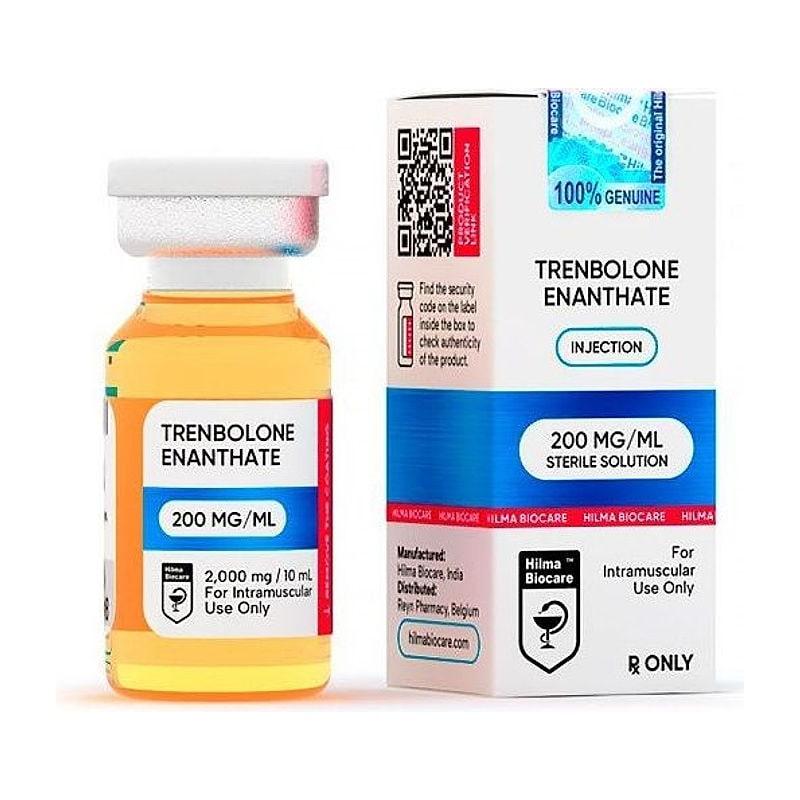
- Allows higher compound concentrations (e.g. trenbolone enanthate 200 mg/mL requires BB)
- Note: BB itself can cause post-injection soreness at >20%
Standard formulation example (testosterone enanthate 250 mg/mL in sesame oil):
- Testosterone enanthate: 250 mg/mL
- Benzyl benzoate: 10% (solubility enhancement)
- Benzyl alcohol: 2% (preservative)
- Sesame oil: q.s. to 1 mL
MCT Oil: The Modern Research Standard#
Why MCT is increasingly preferred:
- Lower viscosity: easier to draw and inject vs. sesame or castor oil
- No known allergens: sesame allergy is clinically significant (~0.1–0.3% of population); MCT from coconut/palm is hypoallergenic for most individuals
- Faster depot release kinetics: MCT's lower viscosity and medium-chain FA composition → slightly faster ester release than long-chain oil depots (castor oil)
- Stability: MCT resistant to oxidation (no long-chain polyunsaturated FAs like linoleic)
Kinetic difference: Studies comparing testosterone enanthate in MCT vs. sesame oil show marginally faster Tmax and slightly higher initial Cmax with MCT, with equivalent AUC. For most research protocols, the difference is negligible.
Castor Oil: High Concentration Applications#
Castor oil's unique ricinoleic acid (18-carbon hydroxy FA) provides exceptional steroid ester solubility:
- Testosterone undecanoate (Nebido): formulated in castor oil to achieve 250 mg/mL — this concentration is not achievable in sesame or MCT
- Trenbolone enanthate high-concentration (300 mg/mL): castor oil + BB required
- Disadvantage: very high viscosity (18–24G needle required) → injection site discomfort
- Depot kinetics: slower release from castor oil depot → effective t½ may be slightly longer
Storage and Stability Notes#
- Oil-based injectables: store at room temperature (15–25°C), away from direct sunlight
- Avoid extreme cold: some formulations (high BB content) precipitate crystals at <10°C — warm in palm before use
- Do not freeze: oil freezing disrupts emulsion/solubility homogeneity
- Shelf life: 18–36 months sealed; 6–12 months after first puncture
Research Use Only. JuicedPharma does not provide medical advice.
Published by JuicedPharma Research Team · September 2026 · Category: Research Protocols & Science