Free EU shipping over €250All products are for research purposes only

Reconstitution and storage

Handling lyophilised peptides: solvents, concentrations and stability.

13 articles

Articles

  • Peptides & Recovery

    How to Store Research Peptides: Temperature, Light and Long-Term Stability

    Proper peptide storage is essential for maintaining research integrity. FAQ guide covering lyophilized vs. reconstituted storage requirements, temperature effects on peptide stability, light sensitivity, freeze-thaw cycle management, and cold chain requirements for EU shipping.

    4 min read
  • Peptides & Recovery

    How Long Does BPC-157 Last? Stability, Half-Life and Storage

    BPC-157 has a short plasma half-life (~4 hours) but durable tissue-level effects. FAQ guide covering BPC-157 pharmacokinetics, reconstituted solution stability, lyophilized powder shelf life, and proper storage conditions to maintain research integrity.

    4 min read

  • Guides & Lab Practice

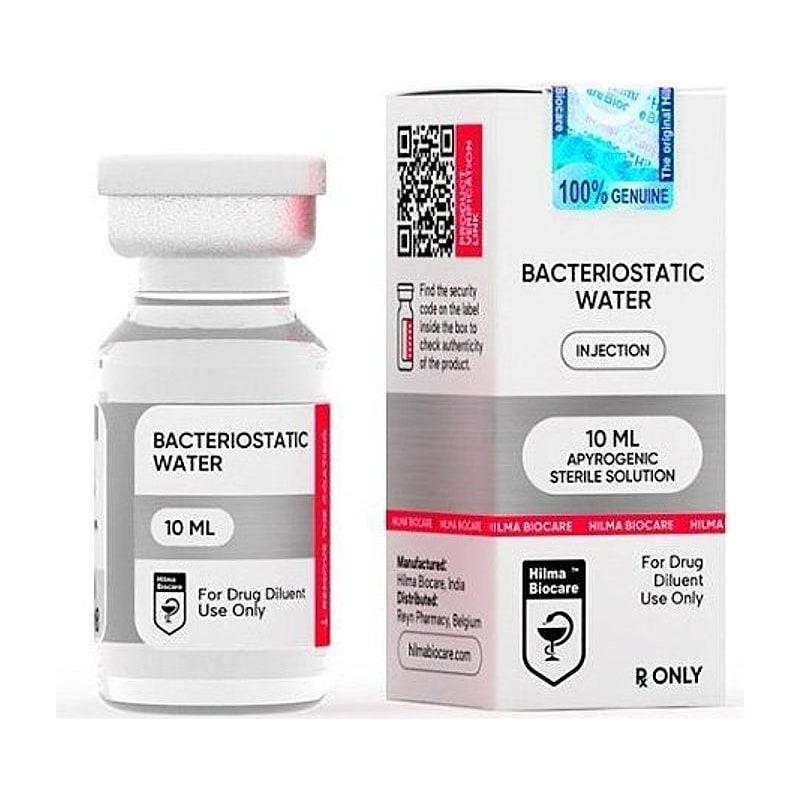
    Bacteriostatic Water vs. Saline for Peptide Reconstitution: Key Differences

    Choosing the right reconstitution solvent for research peptides determines post-reconstitution stability, shelf life, and experimental validity. Research comparison of bacteriostatic water (BAC water) vs. normal saline, sterile water, and acetic acid solutions for different peptide classes.

    5 min read

  • Weight Loss & GLP-1

    Research Compound Storage Guide: Temperature, Light, and Stability

    Improper storage of research compounds — peptides, steroids, SARMs, and GLP-1 agonists — causes degradation that invalidates experimental results. Complete storage guide covering temperature requirements, light sensitivity, humidity, and practical lab storage solutions.

    4 min read

  • Peptides & Recovery

    Lyophilization: How Research Peptides Are Freeze-Dried and Preserved

    Lyophilization (freeze-drying) converts liquid peptide solutions into stable lyophilized powders for long-term storage and shipping. Research overview of the lyophilization process, excipients, quality indicators, and stability advantages over liquid formulations.

    4 min read

  • Guides & Lab Practice

    Bacteriostatic Water: The Research Standard for Peptide Reconstitution

    Bacteriostatic water (0.9% benzyl alcohol in sterile water for injection) is the gold-standard diluent for lyophilized peptide reconstitution. Research overview of its composition, benzyl alcohol antimicrobial mechanism, stability benefits over sterile water, and correct reconstitution technique.

    4 min read

  • Weight Loss & GLP-1

    Retatrutide Dosage & Reconstitution: Research Protocol Guide

    Complete guide to retatrutide research dosing protocols — Phase 2 escalation schedules, reconstitution calculations for vials, and pen format instructions. Based on published clinical trial data.

    7 min read

  • Weight Loss & GLP-1

    Semaglutide Pen vs Vial: Research Administration Comparison

    Comparing semaglutide administration via pharmaceutical auto-injector pen vs. research-grade vial reconstitution — accuracy, flexibility, storage, and which is appropriate for laboratory research protocols.

    6 min read

Available for research

All products

For laboratory research only. Not for human consumption.

Other compounds and subjects

Become a partner

Resellers, laboratories and publishers: apply for partner pricing, volume terms and a dedicated representative.

Become a partner

Research use only. All products are sold strictly for in-vitro and laboratory research. Not for human consumption, veterinary use, diagnosis, treatment or prevention of any disease. Products sold by JuicedPharma are not medicines. By ordering you confirm you are a qualified person buying for research in compliance with applicable regulations. Full disclaimer