Research Disclaimer: All compounds described are sold exclusively for in-vitro and laboratory research use. Not for unsupervised use. This content does not constitute medical advice.
Reconstitution — dissolving a lyophilized (freeze-dried) peptide powder into a liquid solution — is one of the most fundamental steps in research peptide preparation. Doing it correctly preserves peptide bioactivity and ensures accurate dosing. Doing it incorrectly (wrong solvent, excessive agitation, wrong volume, wrong storage after reconstitution) can degrade the peptide or introduce errors that invalidate experimental results.
Required Materials#
- Lyophilized peptide vial (e.g., BPC-157 5 mg)
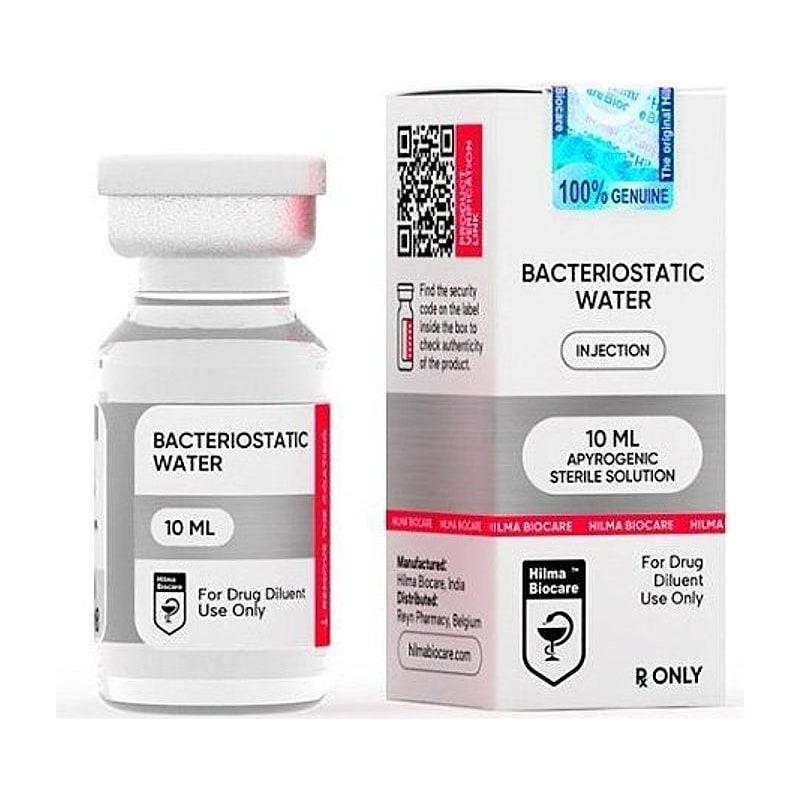
- Bacteriostatic water (BAC water, 0.9% benzyl alcohol)
- Alcohol prep swabs (70% isopropyl alcohol)
- Sterile insulin syringe (1 mL, 29–31 gauge) for adding BAC water
- Separate syringe for withdrawing reconstituted solution
- Clean lab surface or biosafety cabinet
Concentration Calculation#
Formula:
Concentration (mg/mL) = Peptide mass (mg) / Reconstitution volume (mL)
Example: BPC-157 5 mg vial
| BAC water added | Final concentration | Volume per 250 mcg dose |
|---|---|---|
| 1 mL | 5,000 mcg/mL (5 mg/mL) | 0.05 mL (50 µL) |
| 2 mL | 2,500 mcg/mL (2.5 mg/mL) | 0.10 mL (100 µL) |
| 5 mL | 1,000 mcg/mL (1 mg/mL) | 0.25 mL (250 µL) |
Rule of thumb: Use a volume that places typical doses in the 100–200 µL range for ease of measurement on standard insulin syringes.
Note: mcg (micrograms) and µg are identical. 1 mg = 1,000 mcg. Always confirm whether protocol states mg or mcg.
Step-by-Step Reconstitution Protocol#
1. Preparation:
- Wash hands thoroughly
- Swab the rubber stopper of the peptide vial and the BAC water vial with alcohol prep pad
- Allow to air dry (30 seconds)
2. Draw BAC water:
- Draw the desired volume of BAC water into the insulin syringe (e.g., 2 mL)
- Remove air bubbles: flick syringe upward, depress plunger gently
3. Add BAC water to peptide vial:
- Insert needle into peptide vial stopper at an angle (needle tip against glass wall, not pointing at powder)
- Allow BAC water to run slowly down the inner glass wall — do NOT squirt directly onto powder
- This gentle delivery prevents foaming and denaturation
4. Dissolve:
- Do NOT shake the vial (shaking causes peptide aggregation and foaming)
- Gently swirl the vial in small circles for 30–60 seconds
- For stubborn lyophilized cakes: rotate the vial slowly between palms for 1–2 minutes
- Solution should become fully clear; slight opalescence can be acceptable
5. Inspect:
- Clear solution: proceed
- Cloudy/particulate: peptide may be aggregated → do not use if persistent after 5 minutes gentle swirling
- Colored solution: degraded compound → do not use
Storage After Reconstitution#
| Condition | Duration | Notes |
|---|---|---|
| 2–8°C (refrigerator) | Up to 28 days | Standard; keep upright; away from door |
| −20°C (freezer) | Not recommended | Freeze-thaw causes ice crystal aggregation in liquid |
| Room temperature (>20°C) | Same-day use only | Rapid degradation without benzyl alcohol preservative above 20°C |
Benzyl alcohol preservation: BAC water contains 0.9% benzyl alcohol, which inhibits bacterial growth. This is what extends reconstituted peptide stability to 28 days at 2–8°C. Sterile water (no benzyl alcohol) should be used for same-day use only.
Common Reconstitution Mistakes#
| Mistake | Consequence |
|---|---|
| Squirting BAC water directly onto powder | Foaming, peptide denaturation, aggregation |
| Shaking the vial | Mechanical aggregation, foaming, degraded bioactivity |
| Using normal saline (NaCl) | Peptide precipitation (ionic strength mismatch for some peptides) |
| Using tap water or unfiltered water | Contamination, wrong pH, chlorine-mediated oxidation |
| Reconstituting, then re-lyophilizing | Irreversible aggregation |
| Multi-use syringe (reusing needles) | Contamination; also dulls needle → coring of stopper |
Multi-Vial Research Setups: Aliquoting#
For research requiring multiple dosing timepoints:
- Reconstitute full vial into calculated total volume
- Draw into multiple small (0.3 mL) insulin syringes pre-filled with individual doses
- Cap needles; store syringes in refrigerator standing upright
- Use each syringe at its scheduled timepoint
- Discard unused portions after 28 days
Why aliquoting matters: Repeated needle insertion through the same stopper introduces micro-core particles and contamination risk over time.
BPC-157, €55 · 99.1% purityBAC Water vs. Sterile Water vs. Saline#
| Solvent | Benzyl alcohol | Shelf life after reconstitution | Best for |
|---|---|---|---|
| BAC water (0.9% BA) | Yes (0.9%) | Up to 28 days at 2–8°C | Most research peptides |
| Sterile water for injection | No | 24–48h | Single-use / immediate use |
| Normal saline (0.9% NaCl) | No | 24–48h | Some specific protocols only |
| Acetic acid (0.1%) | No | 3–5 days | Lyophilized proteins (IGF-1) |
Research Use Only. JuicedPharma does not provide medical advice.
Published by JuicedPharma Research Team · September 2026 · Category: Research Protocols & Science