Free EU shipping over €250All products are for research purposes only

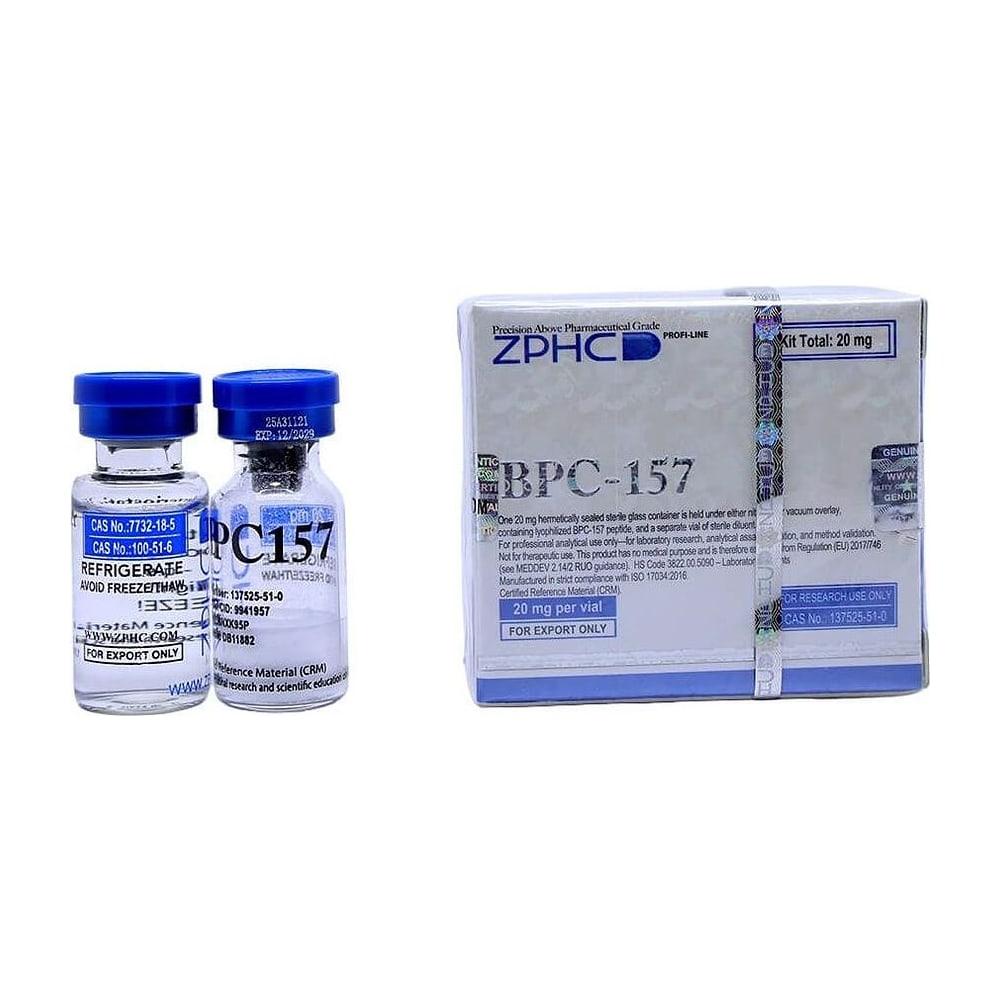
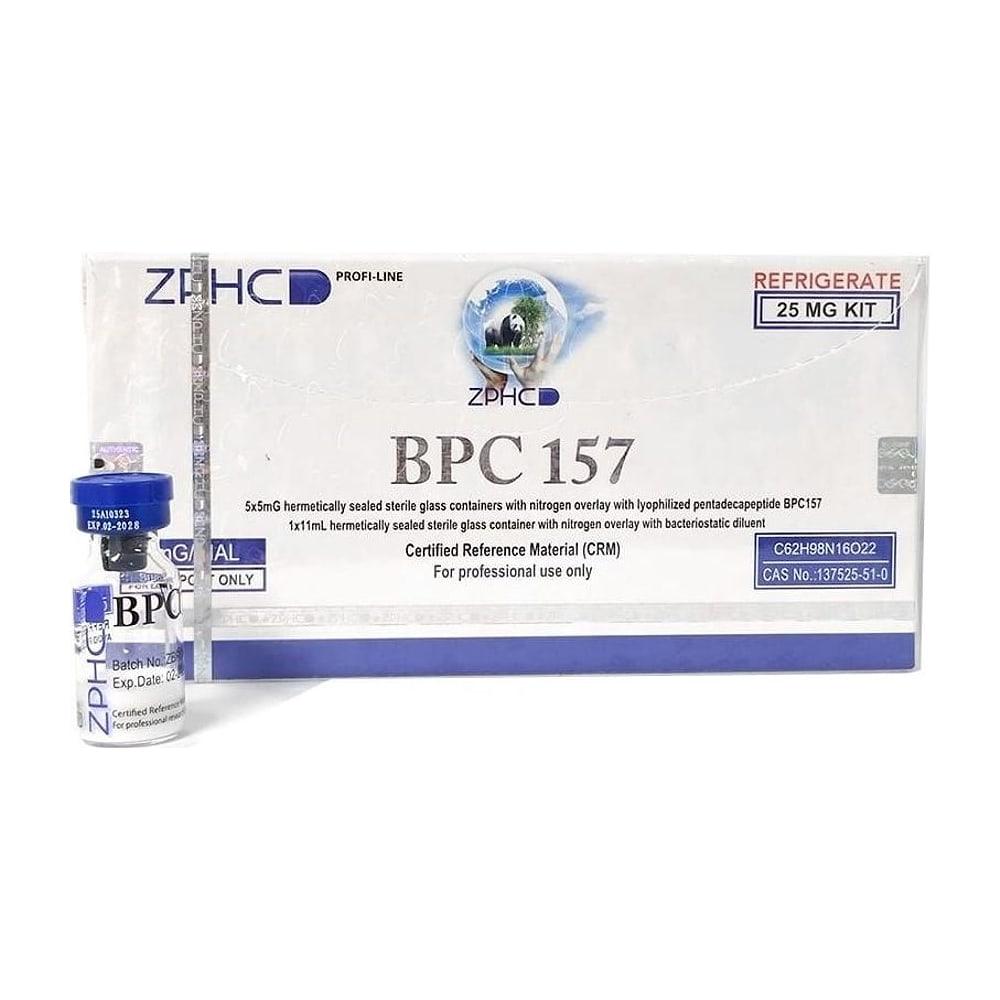
BPC-157

The pentadecapeptide studied for tendon, gut and soft-tissue repair models.

26 articles

Articles

  • Weight Loss & GLP-1

    Top 10 Research Peptides of 2025: Science, Applications, and Rankings

    The top 10 most-researched peptides of 2025 ranked by published study volume, mechanistic depth, and research versatility. Covering BPC-157, TB-500, semaglutide, ipamorelin, SS-31, retatrutide, PT-141, CJC-1295, tirzepatide, and NAD+ precursor peptides with their current research status.

    6 min read

  • Peptides & Recovery

    Beginner Research Starter Pack: First Compound Selection Guide

    Choosing your first research compound depends on your research objective — tissue repair, GH axis research, metabolic research, or androgen pharmacology. Beginner's guide to the most accessible entry-point compounds for each category, quality requirements, and how to structure a first research protocol.

    4 min read

  • Peptides & Recovery

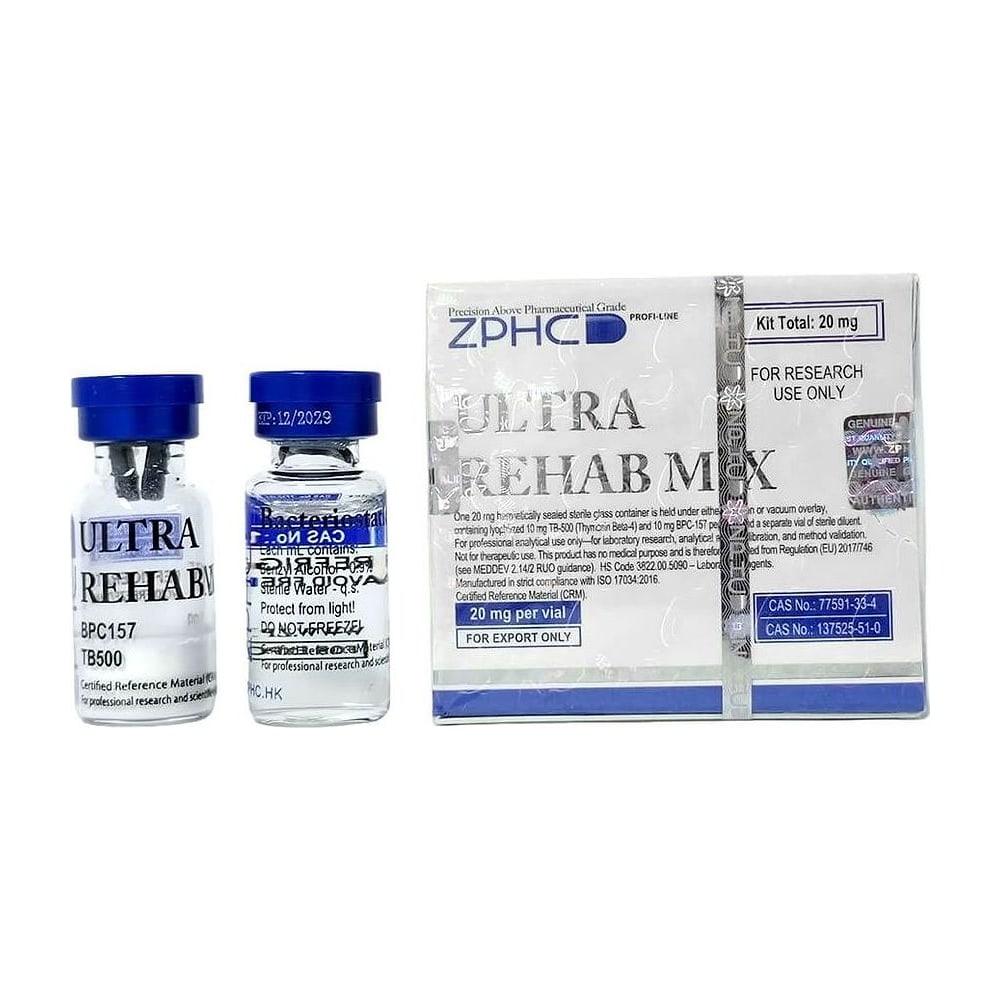
    The Recovery Stack: BPC-157 + TB-500 Combined Protocol Research Guide

    The BPC-157 + TB-500 recovery stack combines two mechanistically complementary peptides — VEGF-angiogenesis from BPC-157 and actin-cytoskeletal repair from TB-500. Research guide covering the scientific rationale for combining these peptides, published evidence, and protocol design.

    4 min read

  • Peptides & Recovery

    Peptides vs Steroids for Research: Mechanisms, Uses and Key Differences

    Peptides and anabolic steroids are two distinct compound classes with fundamentally different mechanisms, pharmacokinetics, and research applications. Comparative guide covering receptor targets, molecular size, metabolism, research use cases, and how to choose between compound classes for specific research objectives.

    4 min read

  • Peptides & Recovery

    How to Store Research Peptides: Temperature, Light and Long-Term Stability

    Proper peptide storage is essential for maintaining research integrity. FAQ guide covering lyophilized vs. reconstituted storage requirements, temperature effects on peptide stability, light sensitivity, freeze-thaw cycle management, and cold chain requirements for EU shipping.

    4 min read

  • Peptides & Recovery

    How Long Does BPC-157 Last? Stability, Half-Life and Storage

    BPC-157 has a short plasma half-life (~4 hours) but durable tissue-level effects. FAQ guide covering BPC-157 pharmacokinetics, reconstituted solution stability, lyophilized powder shelf life, and proper storage conditions to maintain research integrity.

    4 min read

  • Peptides & Recovery

    Peptides for Recovery Research: BPC-157, TB-500 and the Science Behind Repair

    Recovery peptide research combines BPC-157 and TB-500 for complementary angiogenic and cytoskeletal repair mechanisms. Comprehensive guide to recovery peptide mechanisms, published evidence for tissue repair models, and research protocol design for musculoskeletal and systemic recovery applications.

    4 min read

  • Peptides & Recovery

    Where to Buy BPC-157 in Europe: Research Quality Guide

    Guide for European researchers sourcing BPC-157 — what purity standards to require (≥98% HPLC), how to verify Janoshik COA authenticity, EU stock advantages for cold chain integrity, and what distinguishes premium BPC-157 from substandard supply.

    3 min read

  • Weight Loss & GLP-1

    Research Peptides in Europe: Quality Standards, EU Supply & COA Requirements

    A comprehensive guide to sourcing research peptides in Europe — what quality standards to require, how EU supply chains differ from US suppliers, EU regulatory context, and why independent COA testing is the non-negotiable baseline for legitimate European research peptide supply.

    4 min read

  • Peptides & Recovery

    BPC-157 and VEGF: Angiogenesis Mechanisms in Research Models

    BPC-157 upregulates VEGF and activates the Egr-1 transcription factor to drive new blood vessel formation. Advanced research guide covering the BPC-157 angiogenesis pathway, eNOS activation, NO-dependent vessel formation, and published in vivo evidence for wound healing and tissue repair models.

    5 min read

  • Peptides & Recovery

    BPC-157 vs. TB-500: Detailed Mechanism and Research Comparison

    BPC-157 and TB-500 are both tissue repair peptides but work through entirely different mechanisms. Detailed side-by-side research comparison of molecular targets, pharmacokinetics, research evidence, and protocol applications to help researchers understand which compound fits their specific research question.

    5 min read

  • Peptides & Recovery

    Lyophilization: How Research Peptides Are Freeze-Dried and Preserved

    Lyophilization (freeze-drying) converts liquid peptide solutions into stable lyophilized powders for long-term storage and shipping. Research overview of the lyophilization process, excipients, quality indicators, and stability advantages over liquid formulations.

    4 min read

  • Peptides & Recovery

    Peptide Recovery Stack Guide: BPC-157, TB-500, and Beyond

    A comprehensive research guide to peptide stacking for tissue repair — how BPC-157 and TB-500 work together, which additional peptides complement each, and how to structure multi-compound protocols.

    9 min read

Available for research

All products
BPC-157

Hilma Biocare

BPC-157

Body Protection Compound. 15-amino-acid peptide for tissue repair research.

99.1%· Janoshik

€55

For laboratory research only. Not for human consumption.

Other compounds and subjects

Become a partner

Resellers, laboratories and publishers: apply for partner pricing, volume terms and a dedicated representative.

Become a partner

Research use only. All products are sold strictly for in-vitro and laboratory research. Not for human consumption, veterinary use, diagnosis, treatment or prevention of any disease. Products sold by JuicedPharma are not medicines. By ordering you confirm you are a qualified person buying for research in compliance with applicable regulations. Full disclaimer