Research Disclaimer: All compounds described are sold exclusively for in-vitro and laboratory research use. Not for unsupervised use. This content does not constitute medical advice.
BPC-157 (Body Protection Compound-157) is one of the most extensively researched peptides for wound healing, angiogenesis, and cytoprotective mechanisms. For researchers in Europe requiring BPC-157 for laboratory use, supplier selection determines both experimental validity and research efficiency. This guide covers what to evaluate when sourcing BPC-157 in Europe and what quality benchmarks represent the current research standard.
BPC-157 Quality Benchmarks#
BPC-157 (sequence: Gly-Glu-Pro-Pro-Pro-Gly-Lys-Pro-Ala-Asp-Asp-Ala-Gly-Leu-Val) is synthesized via solid-phase peptide synthesis (SPPS). Quality standards for research-grade BPC-157:
| Parameter | Research grade standard |
|---|---|
| Purity (HPLC-UV) | ≥98%, preferred ≥99% |
| Identity (MS) | Observed MW within ±0.5 Da of theoretical 1,419.5 Da |
| Endotoxin (LAL) | ≤10 EU/mg |
| Moisture (Karl Fischer) | ≤5% |
| Form | White/off-white lyophilized powder |
| COA | Third-party, verifiable, batch-specific |
What "Research Grade" BPC-157 Requires#
Synthesis method: SPPS (solid-phase peptide synthesis) using Fmoc chemistry is standard. The 15-amino-acid sequence is relatively straightforward to synthesize, but proper purification (preparative HPLC) to ≥98% purity requires significant equipment investment that separates professional manufacturers from low-quality sources.
Common impurities to look for on COA:
- Truncated sequences (incomplete synthesis → missing N- or C-terminal residues)
- Deletion sequences (one amino acid missing from the interior)
- Oxidized methionine analog impurities (if present in some related peptide batches)
- D-amino acid epimers (racemization during synthesis)
Why purity matters for BPC-157 research:
- Sub-threshold purity means less active compound per stated mass → dosing errors
- Sequence truncations may have different (or no) pharmacological activity → false negatives in bioassay
- Endotoxin contamination stimulates immune responses that confound cytokine/inflammatory outcome measurements
EU Stock Advantages for BPC-157 Research#
Cold chain: BPC-157 is shipped as lyophilized powder. While stable at ambient temperature for short transit (48–72h), EU-stocked suppliers provide domestic cold-pack shipping that eliminates temperature excursion risk during customs clearance delays common with extra-EU shipping.
Lead time: EU stock = 2–3 business day delivery in most EU markets vs. 2–4 weeks from Chinese/US suppliers (plus customs). For time-sensitive protocols, EU stock is essential.
Customs: EU researchers importing from outside the EU face potential delays, customs seizures, and VAT complications. EU-stocked suppliers eliminate all of these.
Vial Formats Available#
| Format | Notes | Best for |
|---|---|---|
| 5 mg lyophilized | Standard research vial | Most protocols |
| 10 mg lyophilized | Higher-throughput research | Extended protocols |
| 2 mg lyophilized | Lower volume / single-experiment use | Pilot studies |
Recommended reconstitution for 5 mg vial:
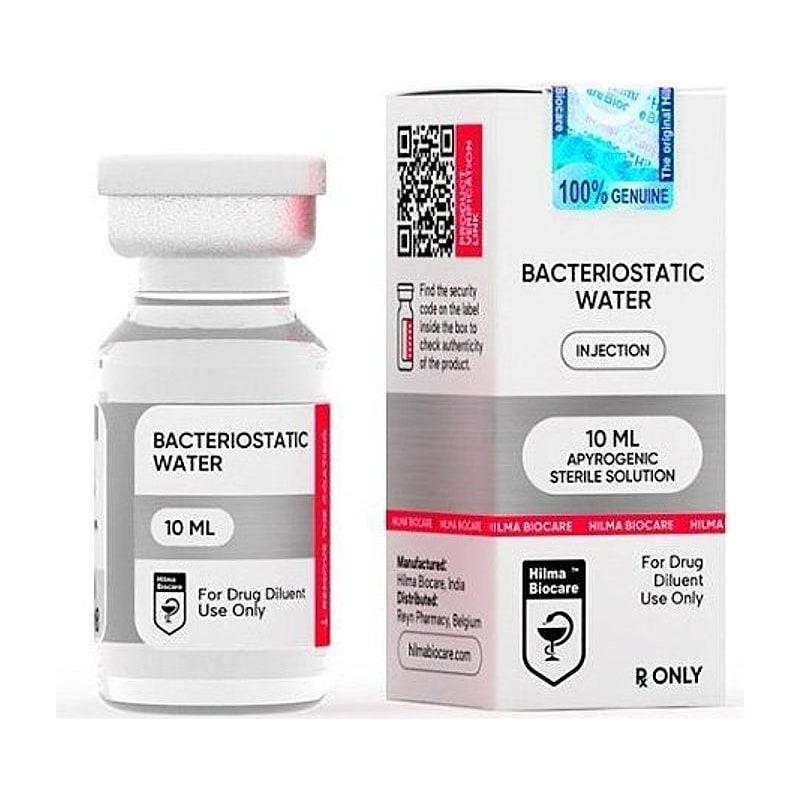
- Add 2 mL BAC water → 2,500 mcg/mL concentration
- Store reconstituted at 2–8°C; use within 28 days
- Do not freeze reconstituted solution
Reading the BPC-157 COA#
On a Janoshik or equivalent third-party COA, verify:
- Compound name: "BPC-157" or "Pentadecapeptide BPC-157"
- CAS: 137525-51-0
- MW: ~1,419.5 Da
- HPLC purity: ≥98% (area%)
- MS confirmation: [M+H]+ at ~1,420.5 or [M+2H]2+ at ~710.8
- Report ID: Verifiable on lab website
If the COA lacks an MS confirmation for BPC-157, the compound's identity is unconfirmed (purity only tells you what percentage of the vial is the major peak — not whether that peak is actually BPC-157).
BPC-157, €55 · 99.1% purityCommon Research Protocols Requiring BPC-157#
In vitro (cell-based):
- HCT-116 or HEK-293 cytoprotection assays: typically 1–10 µM concentration range
- Fibroblast migration (scratch assay): 1–100 nM
- Endothelial tube formation (Matrigel): 1–100 nM
In vivo (rodent models):
- Tendon/ligament healing: 10–100 µg/kg subcutaneous
- Gastric ulcer protection: 10–100 µg/kg intraperitoneal
For these protocols, research-grade (≥98%) endotoxin-tested BPC-157 is required to obtain reproducible, publication-quality results.
Research Use Only. JuicedPharma does not provide medical advice.
Published by JuicedPharma Research Team · September 2026 · Category: Peptides & Recovery