Research Disclaimer: All compounds described are sold exclusively for in-vitro and laboratory research use. Not for unsupervised use. This content does not constitute medical advice.
BPC-157 (Body Protective Compound-157) is one of the most widely researched repair peptides, with an extensive published literature covering VEGF upregulation, Egr-1-mediated angiogenesis, tendon repair, gut mucosa recovery, and eNOS activation. For European researchers, sourcing high-quality BPC-157 means requiring EU-based stock with independent third-party COA verification — not generic documentation from the manufacturer's own laboratory.
BPC-157 Quality Benchmarks#
What the analytical data should show:
| Parameter | Minimum standard | Premium standard |
|---|---|---|
| HPLC purity (area%) | ≥97% | ≥99% |
| MS identity | [M+2H]2+ match ±0.5 Da | ±0.2 Da accuracy |
| Endotoxin (LAL) | ≤5 EU/mg | ≤1 EU/mg |
| Peptide sequence | Confirmed | Full sequence coverage by MS/MS |
| Testing laboratory | Third-party | Janoshik (QR-verified) |
BPC-157 molecular data:
- Sequence: Gly-Glu-Pro-Pro-Pro-Gly-Lys-Pro-Ala-Asp-Asp-Ala-Gly-Leu-Val (15 AA)
- Molecular formula: C62H98N16O22
- Molecular weight: 1419.56 Da
- Expected ESI-MS ions: [M+2H]2+ at m/z ~710.8; [M+3H]3+ at m/z ~474.0
If the COA shows an MS identity result inconsistent with these values, the compound is not BPC-157.
Why EU Stock Matters for BPC-157#
Cold chain considerations:
BPC-157 is supplied as a lyophilized (freeze-dried) powder. While lyophilized peptides are significantly more stable than reconstituted solutions, prolonged exposure to heat or humidity during shipping can still affect integrity:
- Lyophilized BPC-157 stored at -20°C: 2+ years stability
- During shipping: EU stock → 2–5 day delivery → minimal cold chain exposure
- Intercontinental shipping (US/China → EU): 10–20 days potential transit → more temperature events
Intra-EU shipping means no customs: BPC-157 shipped within the EU does not go through customs clearance. This eliminates:
- Unpredictable customs delays (1–3 weeks when shipping from non-EU)
- Risk of package inspection or seizure
- Documentation requirements for import
Available BPC-157 Formats for Research#
Lyophilized vials (standard):
- 5mg vials: most common; sufficient for most in vitro and short-term in vivo studies
- 10mg vials: larger in vivo studies or extended protocols
- Storage: -20°C before reconstitution; 2–8°C after reconstitution in BAC water (up to 28 days)
Reconstitution guide:
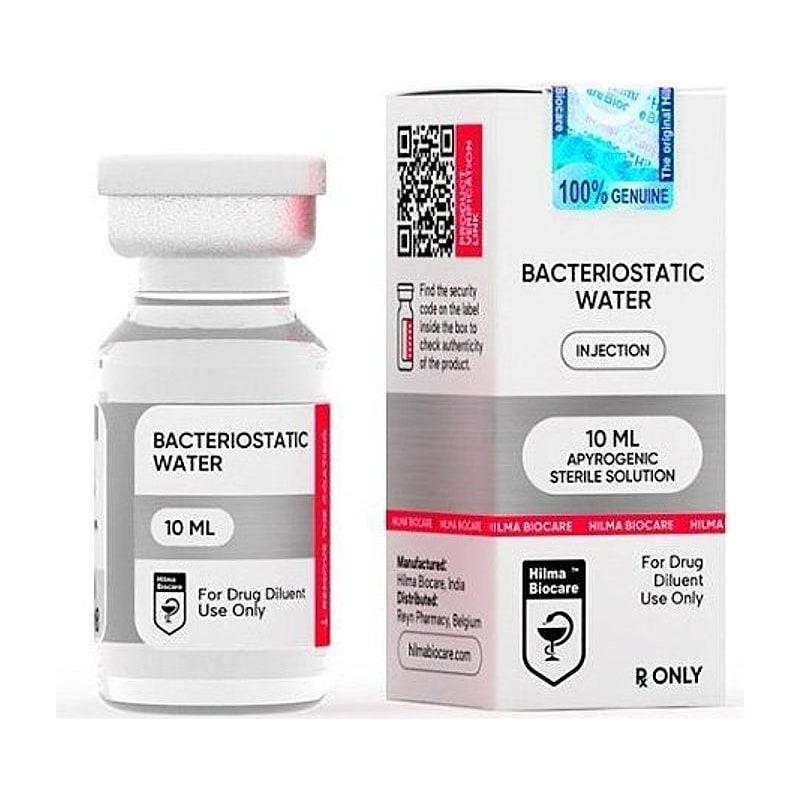
- Add BAC water slowly to the side of the vial, not directly onto the lyophilized cake
- Rotate gently to dissolve — do not vortex (shear stress damages peptide bonds)
- Standard working concentration: 250 μg/mL to 1 mg/mL depending on study design
- Aliquot into smaller volumes if using over extended period → reduces freeze-thaw cycles
BPC-157 + TB-500: The Recovery Stack#
Many recovery research protocols combine BPC-157 with TB-500 for complementary mechanism coverage:
- BPC-157: VEGF/Egr-1 angiogenesis; collagen production via EGF-R upregulation; eNOS/NO signaling
- TB-500: actin cytoskeleton regulation; ILK-VEGF pathway; NFκB anti-inflammatory signaling
Both compounds are peptides, both require reconstitution in BAC water, and their signaling pathways are mechanistically independent — no receptor competition, no pharmacokinetic interference.
Research Use Only. JuicedPharma does not provide medical advice.
Published by JuicedPharma Research Team · October 2026 · Category: Peptides & Recovery