Research Disclaimer: Semaglutide is sold exclusively for in-vitro and laboratory research use. Not for personal use. This content does not constitute medical advice.
Semaglutide is available in two physical formats in the research context: pharmaceutical auto-injector pens (Ozempic/Wegovy) and research-grade lyophilized vials. Each has distinct advantages and limitations for laboratory work. This guide covers the practical considerations for researchers selecting between them.
Table of Contents#
- The Two Formats: Pharmaceutical Pen vs. Research Vial
- Pharmaceutical Auto-Injector Pen: Limitations for Research
- Research-Grade Vial: Advantages for Laboratory Use
- Reconstitution Protocol for Research-Grade Semaglutide
- Dose Accuracy: Pen vs. Syringe
- Storage Comparison
- Which Format for Which Research Application?
- Key References
The Two Formats: Pharmaceutical Pen vs. Research Vial#
Pharmaceutical auto-injector pen (Ozempic, Wegovy):
- Pre-filled with 2 mg/1.5 mL (Ozempic) or 4 mg/3 mL (Wegovy) semaglutide solution
- Fixed dose increments (0.25, 0.5, 1.0, 1.7, 2.4 mg)
- Contains excipients: sodium phosphate buffer, propylene glycol, phenol (preservative)
- Sterile, pharmaceutical-grade
- Not suitable for laboratory manipulation or flexible dosing
Research-grade lyophilized vial:
- Lyophilized (freeze-dried) semaglutide powder
- Typical vials: 2 mg, 5 mg, or 10 mg per vial
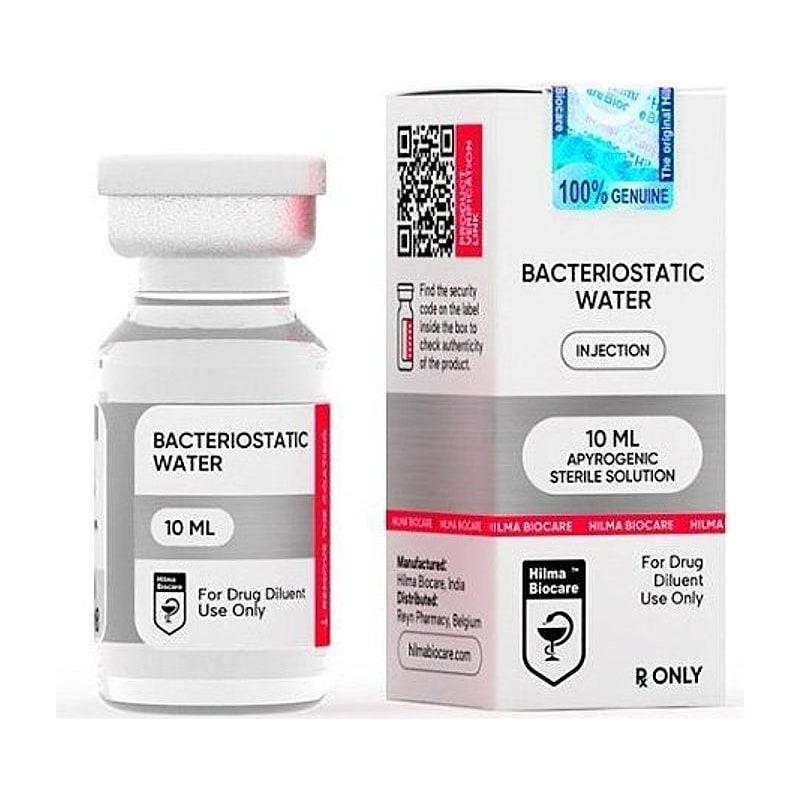
- Must be reconstituted before use (with bacteriostatic water or sterile saline)
- Allows any dose and concentration
- No preservative excipients unless added during reconstitution
- Appropriate for bench research, cell culture, and animal studies
Pharmaceutical Auto-Injector Pen: Limitations for Research#
Pharmaceutical semaglutide pens are designed for patient self-administration — not for laboratory research. Key limitations:
Fixed dose increments#
Ozempic pens deliver fixed doses (0.5 mg or 1.0 mg per click). For rodent research requiring 40–300 nmol/kg doses (equivalent to 0.05–0.4 mg for a 30g mouse), pharmaceutical pen doses cannot be scaled down accurately. The minimum delivery volume is also fixed (~150 µL), too large for typical mouse injection volumes (100–200 µL total).
Excipients may confound assays#
Pharmaceutical pen solutions contain phenol (antimicrobial preservative), sodium phosphate, and propylene glycol. These excipients can:
- Interfere with cell viability in in vitro assays
- Affect gastric pH in oral models
- Confound phenol-sensitive colorimetric assays
Single-use design#
Ozempic/Wegovy pens are designed for monthly multi-dose patient use (4 doses per pen). Once the needle is attached and priming dose expelled, the reservoir is exposed to contamination risk. For precise laboratory aliquoting, this is suboptimal.
Cost#
Pharmaceutical semaglutide is expensive at retail price. Research-grade semaglutide provides significantly more material per dollar for laboratory applications.
Research-Grade Vial: Advantages for Laboratory Use#
Research-grade lyophilized semaglutide offers:
Flexible dosing#
Reconstitute to any concentration needed. For mouse research: 1 mg/mL reconstitution → 10 µL injection delivers 10 µg (appropriate for small animal dosing). For high-dose obesity models: 5 mg/mL reconstitution → efficient dose delivery without large injection volumes.
No confounding excipients#
Pure semaglutide in bacteriostatic water or sterile saline. No phenol, no propylene glycol. Allows clean cell culture work and unconfounded in vivo endpoints.
Stability as lyophilizate#
Lyophilized semaglutide is stable at -20°C for 24+ months. Once reconstituted with bacteriostatic water (0.9% benzyl alcohol), stable at 4°C for 4 weeks. This matches the stability of reconstituted pharmaceutical pens (~28 days at 2–8°C after first use).
Batch traceability#
Quality research-grade suppliers provide HPLC purity certificates, mass spectrometry confirmation of molecular weight, and endotoxin testing (LAL assay). This documentation is required for GLP publication and peer review.
Reconstitution Protocol for Research-Grade Semaglutide#
Materials:
- Semaglutide lyophilized vial (e.g., 2 mg)
- Bacteriostatic water for injection (1% benzyl alcohol) — preferred for multi-dose use
- Sterile saline (0.9% NaCl) — for single-use or same-day use
- Insulin syringe or Hamilton syringe for accurate small volumes
- Alcohol wipe for vial septum
Protocol:
- Allow vial to reach room temperature (15–30 min from -20°C freezer)
- Wipe vial septum with 70% isopropyl alcohol
- Add reconstitution volume to lyophilized cake: for 1 mg/mL → add 2 mL to 2 mg vial
- Gently swirl — do NOT vortex or shake (peptides are surface-active and can denature at air-water interface with vigorous agitation)
- Visually inspect: solution should be clear and colorless; discard if particulate or turbid
- Label with date, concentration, reconstitution volume
- Store at 4°C for up to 4 weeks (bacteriostatic water) or use immediately (sterile saline)
Target concentrations for rodent research:
- Mouse: 0.5–1 mg/mL (10–50 µL injection volume per dose)
- Rat: 1–2 mg/mL (100–200 µL injection volume per dose)
Dose Accuracy: Pen vs. Syringe#
For human-scale dosing (0.5–2.4 mg):
- Pharmaceutical pen: ±5–8% accuracy (device specification)
- Insulin syringe with reconstituted vial: ±2–3% (user-dependent, with appropriate syringe selection)
For rodent-scale dosing (5–50 µg):
- Pharmaceutical pen: not applicable (cannot deliver doses this small)
- 1 mL insulin syringe with 1 mg/mL solution: ±3–5% at 5–50 µL volumes
For high-precision dosing in metabolic research:
- Hamilton gastight syringe with 1 µL graduation: ±1–2% at volumes ≥10 µL
Storage Comparison#
| Parameter | Pharmaceutical Pen | Research Vial (Lyophilized) | Research Vial (Reconstituted) |
|---|---|---|---|
| Unopened storage | 2–8°C (up to 3 years from manufacture) | -20°C (up to 24 months) | N/A |
| After first use / reconstitution | 2–8°C up to 28 days | N/A | 4°C up to 28 days (BAC water) or 24h (saline) |
| Freeze-thaw cycles | Not recommended | Up to 3× for lyophilized; avoid for reconstituted | Avoid |
| Transport | 2–8°C (cold chain required) | -20°C standard or with dry ice | 4°C for short transport |
Which Format for Which Research Application?#
Use research-grade vials for:#
- All animal (rodent) research
- Cell culture and in vitro GLP-1R assays
- Dose-response experiments requiring multiple concentrations
- Protocol development (flexible dose titration)
- Any experiment requiring pure semaglutide without excipients
Pharmaceutical pens are only appropriate for:#
- Human pharmacokinetic reference studies (when matching approved human doses exactly)
- Comparative studies where pharmaceutical formulation must match the clinical product
For the vast majority of research applications, research-grade lyophilized semaglutide vials are the appropriate and cost-effective choice.
Key References#
-
Lau J, et al. (2015). "Discovery of the once-weekly glucagon-like peptide-1 (GLP-1) analogue semaglutide." Journal of Medicinal Chemistry, 58(18):7370–7380.
-
Novo Nordisk. (2021). "Ozempic prescribing information." US FDA label.
-
Kapitza C, et al. (2017). "Semaglutide, a once-weekly human GLP-1 analog, does not reduce the bioavailability of the combined oral contraceptive." Journal of Clinical Pharmacology, 55(5):497–504.
Research Use Only: Semaglutide is sold exclusively for in-vitro research and laboratory use. Not for human consumption. JuicedPharma does not provide medical advice.
Published by JuicedPharma Research Team · September 2026 · Category: Research Protocols & Science