Research Disclaimer: All compounds described are sold exclusively for in-vitro and laboratory research use. Not for unsupervised use. This content does not constitute medical advice.
Anabolic-androgenic steroids (AAS) are synthetic derivatives of the endogenous hormone testosterone. They were first developed in the 1930s–1950s through pharmaceutical research aimed at separating testosterone's anabolic (muscle-building, nitrogen retention) effects from its androgenic (virilizing, male-characteristic) effects — a goal that has only been partially achieved in the decades since. Today they are studied across multiple research domains: muscle physiology, endocrinology, pharmacology, sport science, and oncology.
What Are Anabolic Steroids?#
Basic definition: Anabolic-androgenic steroids are synthetic compounds that bind the androgen receptor (AR) — a nuclear transcription factor — and activate or modulate androgen-responsive gene expression. "Anabolic" refers to muscle and tissue-building effects; "androgenic" refers to virilizing (masculinizing) effects.
The tetracyclic ring system: All steroids share the same four-ring carbon skeleton (cyclopentanophenanthrene skeleton): three cyclohexane rings (A, B, C) and one cyclopentane ring (D). Different steroids are created by modifications at specific positions:
- C17: hydroxyl group (esterified for injectable prolonged release; alkylated for oral)
- C19: methyl group (removed in 19-nor compounds like nandrolone)
- C3: ketone (most androgens)
- Ring A: unsaturation (double bonds at Δ1, Δ4, Δ1,4 — all common)
- C2, C6, C7, C11: positions for methyl or halogen substitutions
The Androgen Receptor: How AAS Work#
Mechanism of action:
- AAS diffuses into cell (highly lipophilic → crosses cell membrane freely)
- In cytoplasm: binds AR (transcription factor maintained in inactive state by heat-shock proteins)
- AAS-AR complex: conformational change → releases HSP90 → receptor dimerizes
- Dimer translocates to nucleus
- Binds androgen response elements (AREs) on DNA
- Recruits coactivator proteins (SRC-1, SRC-3, CBP/p300)
- Activates target gene transcription
Anabolic target genes:
- Myosin heavy chain isoforms (muscle structural proteins)
- IGF-1 (growth factor → mTOR → protein synthesis)
- MyoD and myogenin (myoblast differentiation)
- Anti-myostatin signaling (reduces catabolic muscle inhibition)
Androgenic target genes:
- Prostate-specific antigen (PSA) — not itself harmful, but marker
- DHT-sensitive hair follicle genes (androgenetic alopecia)
- Sebaceous gland activation (acne)
- Laryngeal growth genes (voice deepening)
AAS Classification#
By Origin#
| Class | Examples | Structural basis |
|---|---|---|
| Testosterone esters | Testosterone enanthate, cypionate, propionate | Testosterone with ester at C17-OH |
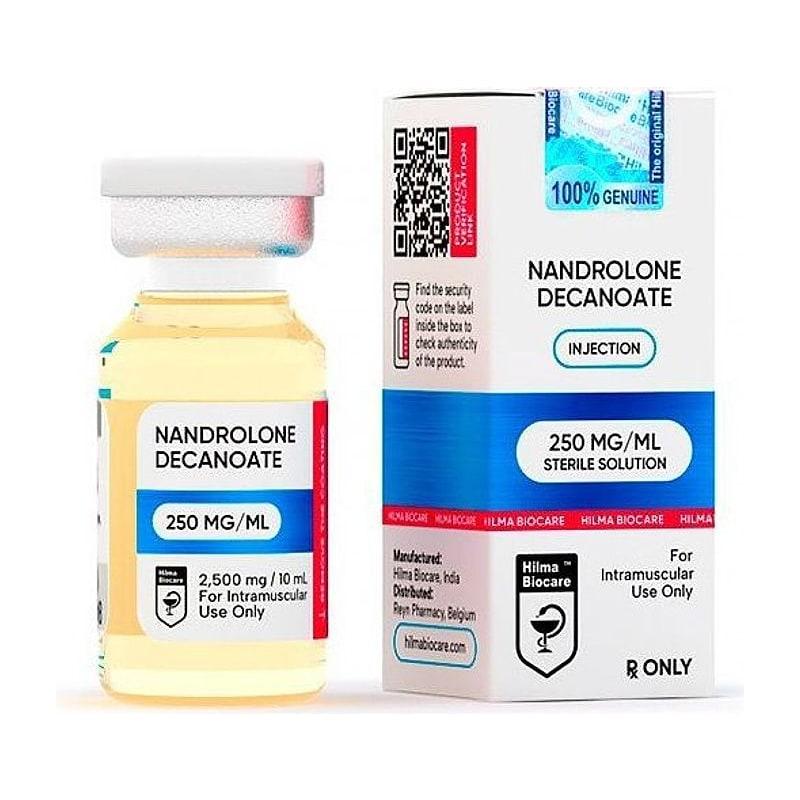
| 19-Nor androgens | Nandrolone, trenbolone | C19 methyl removed |
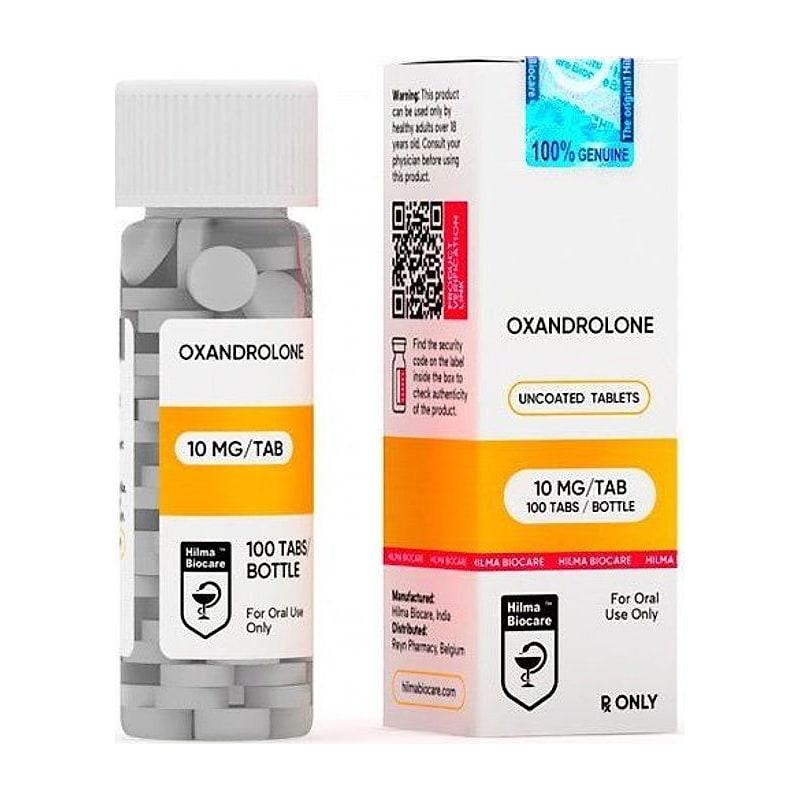
| DHT derivatives | Oxandrolone, stanozolol, masteron, primobolan | Based on dihydrotestosterone |
| Modified testosterone | Methandrostenolone (Dianabol), boldenone | Testosterone with ring modifications |
| 17α-Alkylated | Oxandrolone, stanozolol, oxymetholone, Dianabol | 17α-methyl for oral bioavailability |
By Administration Route#
| Route | Compounds | First-pass | Hepatotoxicity |
|---|---|---|---|
| Injectable ester | Testosterone E/C/P, nandrolone D, trenbolone E | None | Low |
| Oral (17α-alkylated) | Oxandrolone, stanozolol, Dianabol, oxymetholone | Yes (modified to survive) | Moderate to High |
| Oral (non-alkylated) | Primobolan (methenolone acetate), DHEA | Yes (significant) | Low |
Anabolic:Androgenic Ratio#
The A:A ratio expresses a compound's tissue selectivity relative to testosterone:
- Testosterone: 100:100 (reference)
- High anabolic, low androgenic: nandrolone (125:37), oxandrolone (322:24)
- High androgenic, high anabolic: trenbolone (~500:500), halotestin (~1,900:1,900)
Caveat: A:A ratios are based on rodent bioassay (levator ani muscle = anabolic; prostate = androgenic). They are indicative but not precise predictors of human tissue selectivity because of species differences in tissue 5α-reductase expression.
5α-Reductase: The Key to Androgenicity in Skin/Hair/Prostate#
The 5α-reductase conversion:
- Testosterone (AR potency = 1.0) → 5α-reductase → DHT (AR potency = ~3–5x more potent)
- DHT is responsible for most androgenic effects in prostate, scalp, and skin
Compound variation:
- Testosterone: converts to DHT → high androgenicity in prostate/scalp
- Nandrolone: converts to DHN (weak androgen) → low androgenicity in prostate/scalp
- Trenbolone: NOT a substrate for 5α-reductase → maintains potent parent compound → androgenic everywhere
This explains why 19-nor compounds like nandrolone are considered "mild" despite having high anabolic activity.
Oxandrolone, €54 · 99.3% purityWhy Researchers Study AAS#
Key research domains:
- Muscle physiology: AR activation → myofibrillar protein synthesis → hypertrophy mechanisms
- Endocrine research: HPTA suppression, estrogen feedback, gonadotropin pharmacology
- Cachexia and wasting diseases: AAS approved for AIDS wasting, cancer cachexia research
- Bone density: androgen effects on osteoblast activity, bone mineral density (osteoporosis models)
- Cardiovascular: polycythemia, LVEF changes, lipid profiles — toxicological research
- Forensics/WADA: metabolite detection windows, species-specific metabolism
Research Use Only. JuicedPharma does not provide medical advice.
Published by JuicedPharma Research Team · October 2026 · Category: Research Protocols & Science