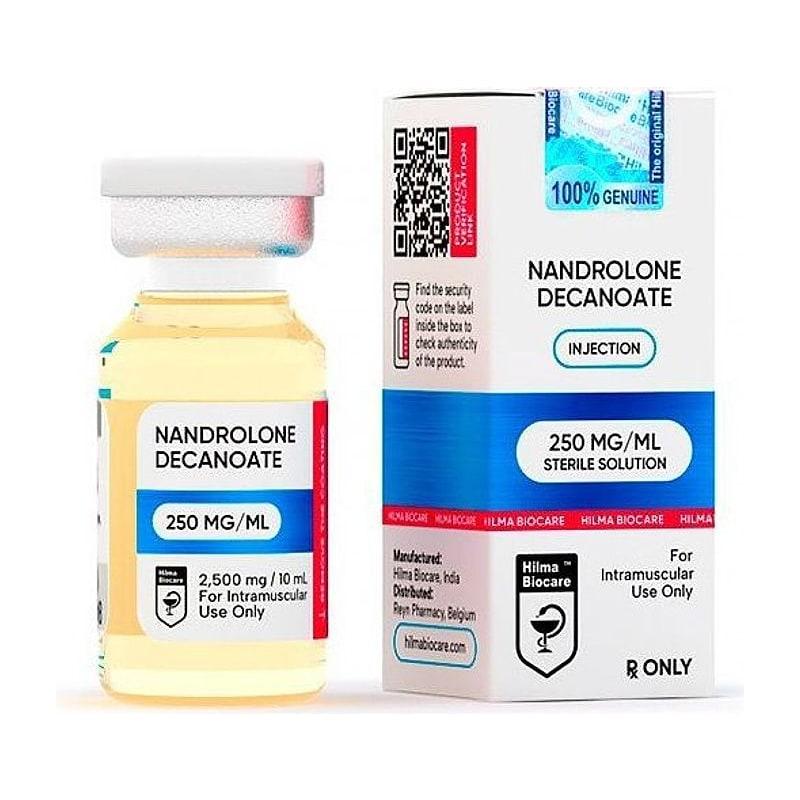
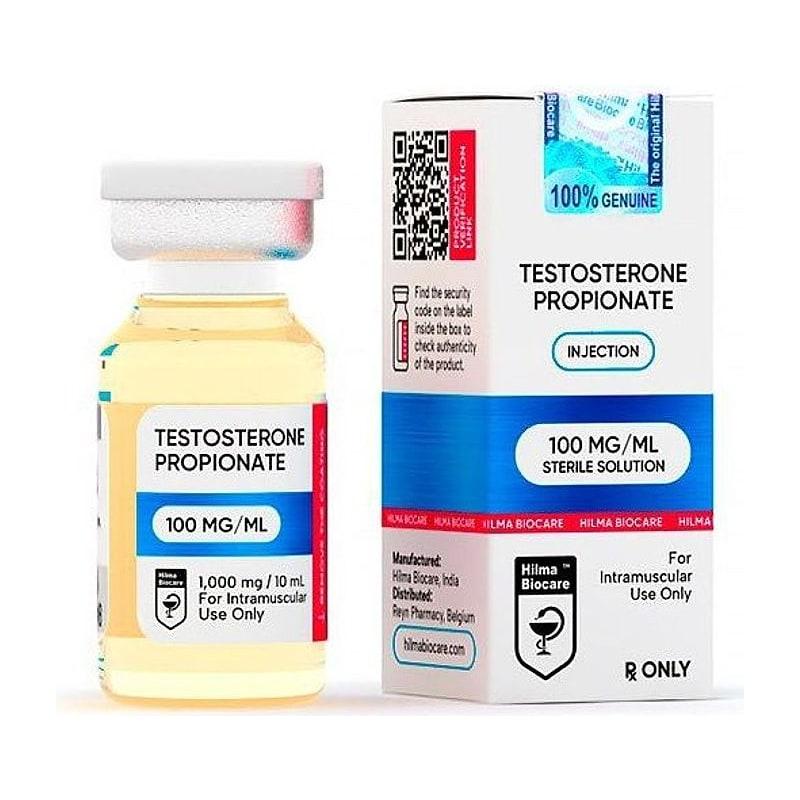
Research Disclaimer: Nandrolone and testosterone esters are sold exclusively for in-vitro and laboratory research use. Not for unsupervised use. This content does not constitute medical advice.
Nandrolone and testosterone are among the most extensively studied androgens in pharmacological research. While both bind the androgen receptor with similar affinity, their distinct metabolic fates produce dramatically different tissue-specific effects. This comparison is fundamental to understanding how the 19-nor structural modification achieves anabolic selectivity.
Table of Contents#
- Structural Comparison
- 5α-Reductase Metabolism: The Key Difference
- AR Binding and Genomic Signaling
- Tissue-Level Effects Compared
- Anabolic:Androgenic Ratio in the Hershberger Assay
- HPTA Suppression Comparison
- Estrogenic and Progestogenic Activity
- Head-to-Head Research Protocol
- Key References
Structural Comparison#
| Feature | Testosterone | Nandrolone |
|---|---|---|
| Chemical name | Testosterone | 19-nortestosterone |
| C19 methyl group | Present | Absent (deleted) |
| Molecular formula | C₁₉H₂₈O₂ | C₁₈H₂₆O₂ |
| Molecular weight | 288 Da | 274 Da |
| Common ester forms | Propionate, enanthate, cypionate, undecanoate | Decanoate (ND), phenylpropionate (NPP) |
| C1–C2 double bond | None (C1 and C2 saturated) | None (nandrolone) vs. boldenone (yes) |
The C19 methyl deletion is a single atom change that fundamentally alters nandrolone's metabolism — one of the best examples of how small structural changes produce large pharmacodynamic differences.
5α-Reductase Metabolism: The Key Difference#
This is the most important pharmacological distinction between nandrolone and testosterone:
Testosterone pathway#
Testosterone → (5α-reductase, type 1 or 2) → Dihydrotestosterone (DHT)
DHT: AR affinity ~3–5× > testosterone
DHT: potent androgenic activity in prostate, skin, scalp, hair follicles
Nandrolone pathway#
Nandrolone → (5α-reductase, type 1 or 2) → Dihydronandrolone (DHN)
DHN: AR affinity ~0.1–0.3× of testosterone
DHN: WEAK androgen in prostate, skin, scalp
The consequence:
| Tissue | 5α-Reductase | Testosterone effect | Nandrolone effect |
|---|---|---|---|
| Skeletal muscle | Low | Direct AR activation (testosterone) | Direct AR activation (nandrolone) — similar |
| Bone | Low | Direct AR activation | Direct AR activation — similar |
| Prostate | High (type 2) | Amplified (DHT) | Reduced (DHN — weak) |
| Skin / sebaceous glands | High (type 1) | Amplified (DHT) | Reduced (DHN — weak) |
| Scalp (hair follicles) | High (type 2) | Amplified (DHT) | Reduced (DHN — weak) |
| Brain | Moderate | Amplified (DHT + neurosteroids) | Reduced (DHN) |
AR Binding and Genomic Signaling#
Binding affinity comparison#
| Compound | Relative AR binding affinity (RBA) | Relative androgenic potency in vivo |
|---|---|---|
| Testosterone | 1.0 (reference) | 1.0 |
| DHT | 3.0–5.0 | 3.0–5.0 |
| Nandrolone | 0.6–1.0 | 1.0–1.5 (varies by tissue) |
| DHN | 0.1–0.3 | 0.1–0.3 |
Nandrolone's RBA at the purified AR is similar to testosterone. The difference is entirely at the metabolic level (DHT vs. DHN), not at the receptor level.
ARE-driven transcription#
In muscle or bone cell lines with low 5α-reductase expression:
- Nandrolone and testosterone produce similar AR transactivation (ARE-driven luciferase reporter)
- EC50 values comparable (within 2-fold)
In cells engineered to overexpress 5α-reductase:
- Testosterone → DHT → much greater ARE transactivation (due to DHT's higher AR affinity and slower dissociation rate)
- Nandrolone → DHN → much less ARE transactivation (DHN barely activates AR at these concentrations)
Tissue-Level Effects Compared#
Skeletal muscle (anabolic)#
At equivalent doses in castrated male rodents:
- Nandrolone and testosterone produce similar increases in levator ani muscle weight (Hershberger assay anabolic endpoint)
- Quadriceps and gastrocnemius hypertrophy comparable at equimolar doses
- IGF-1 and follistatin upregulation similar
- Protein synthesis rates similar by SUnSET assay
Prostate (androgenic)#
At equivalent doses:
- Testosterone: ~2–3× greater ventral prostate weight vs. nandrolone (due to DHT amplification)
- Nandrolone: prostatic stimulation present but blunted (DHN is weak)
- This is the basis for nandrolone's therapeutic use in anemia and osteoporosis — effective anabolism with reduced prostate risk vs. testosterone
Skin and sebaceous glands#
- Testosterone: significant sebum production stimulation (DHT-mediated)
- Nandrolone: much less sebum stimulation (DHN is weak at sebaceous gland AR)
Bone#
- Both testosterone and nandrolone are osteoanabolic (AR activation in osteoblasts; both compounds maintain bone density in orchiectomized animals)
- Nandrolone has some evidence of direct osteoblast stimulation independent of 5α-reduction (nandrolone itself activates AR in bone cells)
Anabolic:Androgenic Ratio in the Hershberger Assay#
The standard pharmacological method for measuring anabolic selectivity:
| Compound | Anabolic (levator ani) | Androgenic (ventral prostate) | A:A ratio |
|---|---|---|---|
| Testosterone propionate | 1.0 | 1.0 | 1.0 |
| Nandrolone decanoate | ~3.0–3.5 | 1.0 | ~3.0–3.5 |
| Oxandrolone | ~10 | ~1 | ~10 |
| Stanozolol | ~3–4 | ~1.5 | ~2–3 |
| Trenbolone | ~5–10 | ~3–4 | ~2–3 (high absolute potency) |
Important caveat: Hershberger A:A ratios are:
- Determined in castrated rats (different 5α-reductase levels than intact animals or humans)
- Often cited from historical assays with methodological variation
- Endpoint-dependent (different labs measure different tissues, different durations)
- Not predictive of clinical therapeutic windows in humans
The A:A ratio is useful for relative comparisons within a standardized assay, not as an absolute predictor of human pharmacology.
Testosterone Enanthate, €37 · 99.2% purityHPTA Suppression Comparison#
At equivalent serum androgen levels (nmol/L total):
Testosterone suppresses HPTA via:
- AR-mediated feedback at hypothalamus and pituitary
- E2 (from aromatization) — powerful estrogen receptor feedback at both levels
Nandrolone suppresses HPTA via:
- AR-mediated feedback
- Progestogen receptor (PR) feedback — nandrolone's ~20% progesterone receptor affinity adds progestogenic suppression of GnRH and LH/FSH
- Minor E2 (nandrolone aromatizes to estrone, not estradiol — less potent estrogen)
Net comparison: nandrolone produces more complete gonadotropin suppression at equivalent AR activation levels due to the additive PR feedback. This makes nandrolone more potent as a male contraceptive agent per unit anabolic effect — studied in the WHO male contraception trials.
Estrogenic and Progestogenic Activity#
| Property | Testosterone | Nandrolone |
|---|---|---|
| Aromatization product | Estradiol (E2) | Estrone (E1, minor amounts of 19-norE2) |
| Aromatization rate (relative) | 1.0 | ~0.2 (much less than testosterone) |
| ER binding | Via E2 conversion | Via minor E1/norE2 |
| Estrogenic side effects | Common (E2-driven) | Much less (low E2) |
| PR binding (progestogenic) | Low (~1% of progesterone) | High (~20% of progesterone) |
| PR-mediated effects | Minimal | Significant (HPTA suppression, lactotroph effects) |
For research studying estrogen-independent anabolic effects: nandrolone is a better model than testosterone because its low aromatization reduces the estrogenic confound.
For research studying pure AR effects: use DHT (non-aromatizable, non-progestogenic) or use aromatase inhibitors + PR antagonists with testosterone/nandrolone.
Testosterone Propionate, €28 · 99.1% purity
Head-to-Head Research Protocol#
Direct comparison of nandrolone vs. testosterone on muscle and prostate (castrated rat)#
| Parameter | Specification |
|---|---|
| Model | Adult male SD rats, bilateral orchiectomy, 14 days recovery |
| Groups | 1. Vehicle (oil), 2. TP 0.4 mg/kg/day SC (Hershberger reference), 3. ND 1 mg/kg SC q7d, 4. ND 3 mg/kg SC q7d, 5. TE 2.5 mg/kg SC q7d (approx equimolar to ND 3 mg/kg), 6. ND 3 mg/kg + 5α-reductase inhibitor (dutasteride 1 mg/kg/day) |
| Duration | 4 weeks |
| Endpoints | Levator ani (anabolic), ventral prostate + seminal vesicles (androgenic), serum LH, FSH, nandrolone, testosterone, DHN, DHT by LC-MS/MS, quadriceps weight, body composition |
| Key comparison | ND vs. TE at equimolar doses: A:A ratio in vivo; impact of 5α-reductase on each compound's tissue selectivity |
Key References#
-
Kicman AT. (2008). "Pharmacology of anabolic steroids." British Journal of Pharmacology, 154(3):502–521.
-
Bhasin S, et al. (2001). "Testosterone dose-response relationships in healthy young men." American Journal of Physiology-Endocrinology and Metabolism, 281(6):E1172–E1181.
-
OECD Test Guideline 441. (2009). "Hershberger Bioassay in Rats."
-
Gao W, et al. (2005). "Selective androgen receptor modulators (SARMs): current knowledge and clinical applications." Sexual Medicine Reviews, 3(2):67–82.
Research Use Only: All compounds are sold exclusively for in-vitro research and laboratory use. Not for unsupervised use. JuicedPharma does not provide medical advice.
Published by JuicedPharma Research Team · September 2026 · Category: Research Protocols & Science