Research Disclaimer: All compounds described are sold exclusively for in-vitro and laboratory research use. Not for unsupervised use. This content does not constitute medical advice.
Anabolic research protocols for muscle hypertrophy represent one of the most studied areas in pharmacological sports science. Research models examining compound combinations for muscle mass outcomes require careful design — selecting compounds with complementary mechanisms, appropriate pharmacokinetics, and endpoints that distinguish direct myotrophic effects from systemic hormonal changes. This article provides a mechanistic analysis of compound selection principles for bulking-oriented research protocols.
Mechanistic Framework for Muscle Hypertrophy Research#
The three primary pathways for anabolic compound action on muscle:
- Androgen Receptor (AR) pathway:
- AR + ligand complex translocates to nucleus → activates androgen response elements (ARE)
- Upregulates muscle protein synthesis genes (MyoD, myogenin, MRF4)
- Downregulates myostatin (MSTN) → reduced catabolism of satellite cells
- Increases IGF-1 and MGF expression locally
- IGF-1/PI3K/Akt/mTOR axis:
- Activated by GH, testosterone, and local mechanical stress
- mTOR complex 1 (mTORC1): phosphorylates S6K1 and 4EBP1 → ribosome biogenesis and protein synthesis
- Testosterone amplifies IGF-1 signaling through AR-mediated IGF-1R upregulation
- Nitrogen retention and anti-catabolic effects:
- Positive nitrogen balance = protein synthesis > protein breakdown
- Anabolic compounds reduce cortisol-mediated muscle protein catabolism (GR competition)
- Increased amino acid uptake into myocytes
Compound Selection Matrix for Hypertrophy Research#
Primary Anabolic Compounds#
| Compound | Mechanism emphasis | A:A ratio | Estrogenic activity | Retention |
|---|---|---|---|---|
| Testosterone Enanthate | AR agonism + aromatase substrate | 100:100 | Aromatizes to E2 | Water + muscle |
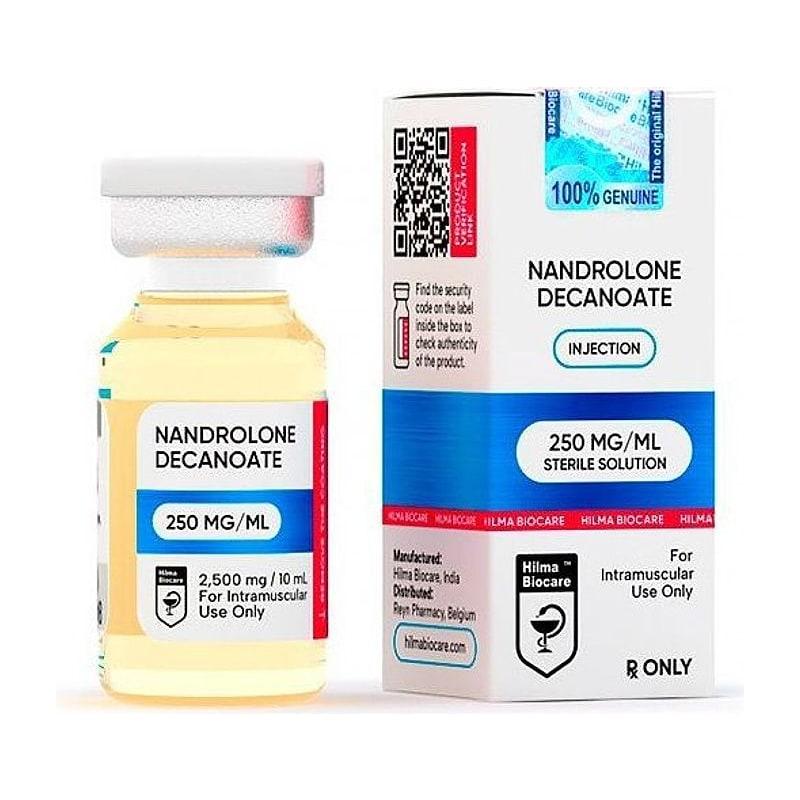
| Nandrolone Decanoate | AR + progestin; low DHT conversion | 125:37 | Minimal | Minimal water |
| Boldenone Undecylenate | AR moderate; EPO stimulation | 100:50 | Low aromatization | Lean |
| Testosterone Cypionate | Equivalent to TE; different ester timing | 100:100 | Aromatizes to E2 | Water + muscle |
Growth Hormone Axis Support#
| Compound | Mechanism | Benefit in hypertrophy context |
|---|---|---|
| Ipamorelin | GHSR-1a agonist → GH pulse | Amplifies IGF-1 → mTOR activation |
| CJC-1295 DAC | GHRH analog → sustained GH | IGF-1 elevation over extended protocol |
| MK-677 (Ibutamoren) | GHSR-1a oral agonist | 24h GH/IGF-1 elevation; convenient |
Protocol Design Principles#
Compound timing and esters:
Long-acting esters (enanthate, decanoate, undecylenate) are preferred for extended bulking protocols because they:
- Provide stable plasma concentrations without frequent dosing
- Reduce injection frequency in animal models
- Match the long-duration nature of hypertrophy endpoints (weeks–months)
Aromatase management: When testosterone is included (which aromatizes to estradiol), co-administration of an aromatase inhibitor (anastrozole or exemestane) controls estrogen levels. Research design consideration: some level of estradiol is required for maximal anabolic effect (estrogen upregulates IGF-1 receptors in muscle). Supraphysiological suppression of E2 may reduce anabolic response.
Stacking synergy rationale: Testosterone + Nandrolone: complementary mechanisms
- Testosterone: strong AR agonism, E2 management needed
- Nandrolone: strong AR agonism without E2; progestin activity promotes nitrogen retention
- DHN (dihydronandrolone) vs. DHT competition at 5α-reductase: nandrolone reduces DHT-related side effects
Endpoint Measurements in Hypertrophy Research#
Animal models:
- Body composition (DEXA or MRI for lean mass)
- Muscle wet weight at sacrifice (gastrocnemius, soleus, tibialis)
- Muscle fiber cross-sectional area (type I/II fiber classification)
- AR, IGF-1, myostatin protein expression (Western blot, IHC)
In vitro:
- C2C12 myoblast differentiation and fusion
- Protein synthesis (3H-leucine incorporation)
- mTOR phosphorylation (Western blot: p-S6K1, p-4EBP1)
- Myosin heavy chain expression
Research Protocol Design Example#
Rodent bulking research model (8-week duration):
| Compound | Dose | Frequency | Route |
|---|---|---|---|
| Testosterone Enanthate | 3 mg/kg/week | Once weekly | Subcutaneous |
| Nandrolone Decanoate | 2.5 mg/kg/week | Once weekly | Subcutaneous |
| Anastrozole | 0.01 mg/kg/day | Daily | Subcutaneous |
Primary endpoints: Lean body mass (DEXA at 4 and 8 weeks), muscle fiber cross-sectional area Secondary endpoints: Liver enzymes (AST, ALT), hematocrit, LH/FSH suppression
Controls needed: Vehicle control, testosterone-only arm, nandrolone-only arm, combination arm; randomized, blinded measurement
Research Use Only. JuicedPharma does not provide medical advice.
Published by JuicedPharma Research Team · September 2026 · Category: Research Protocols & Science