Research Disclaimer: All compounds described are sold exclusively for in-vitro and laboratory research use. Not for unsupervised use. This content does not constitute medical advice.
Testosterone is the endogenous reference androgen and the most-studied anabolic compound in preclinical and clinical pharmacology. Research cycle design for testosterone administration studies — whether investigating anabolic effects, HPTA suppression mechanisms, aromatization, or endocrine feedback — requires careful protocol architecture to generate valid, reproducible data. This guide covers the key variables in testosterone research protocol design.
Ester Selection and Pharmacokinetics#
Testosterone ester selection determines injection frequency, steady-state plasma concentrations, and peak-to-trough variation — all of which affect experimental outcomes.
| Ester | t½ | Peak (single dose) | Steady state | Injection frequency |
|---|---|---|---|---|
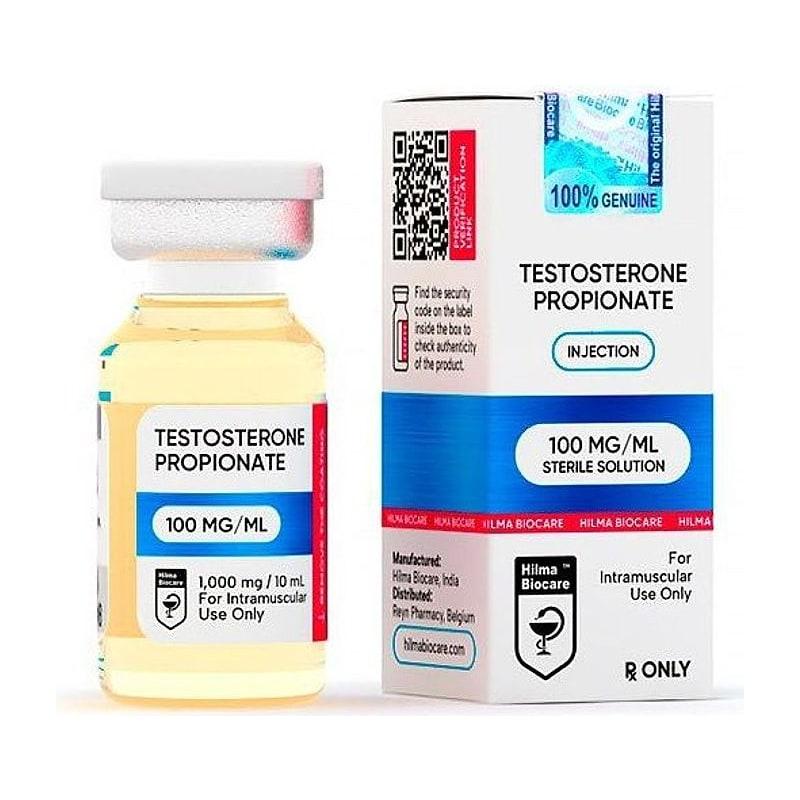
| Testosterone Propionate | 1.5–2 days | 24–48h | ~7 days daily dosing | Daily or EOD |
| Testosterone Enanthate | 4–5 days | 3–5 days | ~3 weeks weekly | Weekly |
| Testosterone Cypionate | 5–6 days | 3–7 days | ~3 weeks weekly | Weekly |
| Testosterone Undecanoate | 20–34 days | 7–21 days | ~3 months | Monthly |
Research selection criteria:
- Short-duration acute studies (<2 weeks): Testosterone Propionate preferred — reaches peak and clears quickly; suitable for single-dose PK studies
- Standard 8–12 week protocols: Testosterone Enanthate — practical dosing frequency; well-established PK in rodent and primate models
- Chronic suppression models: Testosterone Undecanoate — minimal dosing frequency; maintains stable suppression for 8–12 weeks with monthly injection
Dosing Rationale: Research vs. Physiological vs. Supraphysiological#
| Dose category | Typical dose range (rodent) | Plasma testosterone equivalent | Research purpose |
|---|---|---|---|
| Replacement (physiological) | 0.5–1 mg/kg/week TE | Within normal range | Restore deficiency; baseline androgen effect |
| Moderate supraphysiological | 3–5 mg/kg/week TE | 2–4× normal | Anabolic endpoint research |
| High supraphysiological | 10–15 mg/kg/week TE | 6–10× normal | Maximal AR saturation; toxicity threshold |
Note: Human-to-rodent dose translation is not linear — rodent metabolic rates are higher. Scaling based on body surface area or specific PK studies in the model organism is recommended.
Aromatization and Estrogen Management in Research#
Testosterone aromatizes to estradiol (E2) via CYP19A1 (aromatase). This is a confounding variable in anabolic research because E2 has its own anabolic, bone-protective, and cardiovascular effects.
Research design approaches:
-
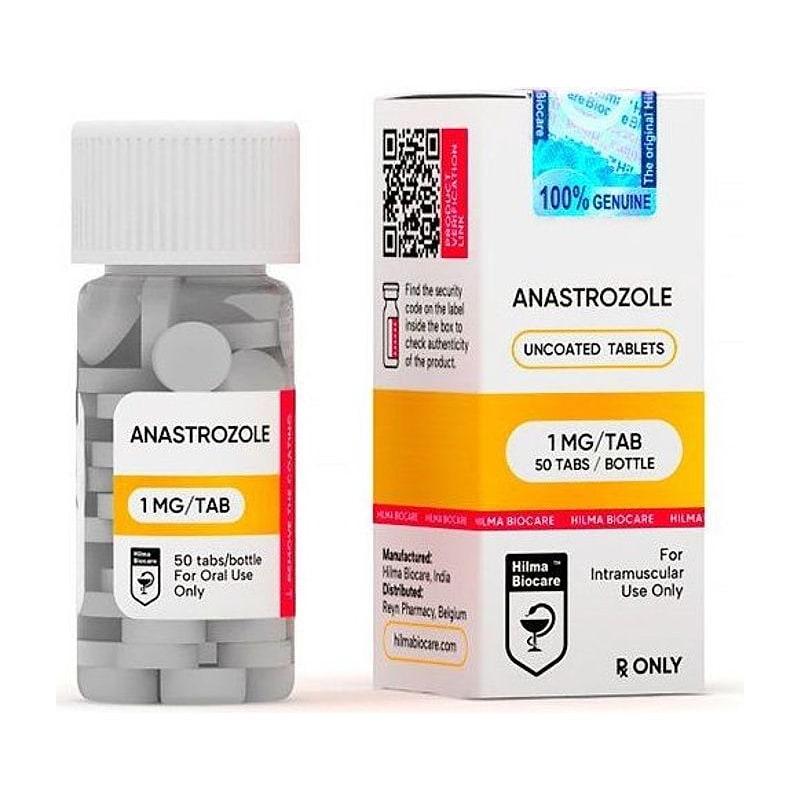
Include aromatase inhibitor arm: Anastrozole 0.01–0.05 mg/kg/day (rodent) eliminates E2 contribution
- Allows separation of: testosterone AR-mediated effects vs. testosterone E2-mediated effects
- Required for mechanistic attribution
-
Exogenous E2 replacement: After AI administration, add E2 at physiological levels → separates AI effect from E2 deficit
- Allows clean attribution of observed differences to estrogen vs. androgen
-
Aromatase-knockout (ArKO) mouse model: Genetically cannot aromatize → inherently E2-free androgen model; not commercially available; academic collaborator required
HPTA Suppression Assessment#
Why HPTA suppression measurement is essential:
In any testosterone administration research model, LH and FSH suppression confirms:
- The exogenous testosterone was absorbed and pharmacologically active
- The negative feedback mechanism was engaged (confirms systemic exposure)
- Endogenous testosterone is suppressed (baseline condition for the experiment)
Measurement:
- LH: pulsatile (10–40 pulse episodes/day in rodents); single time-point is low reliability
- Best practice: 4–6 serial samples at 10-min intervals; average = pulsatile mean LH
- FSH: less pulsatile; single measurement acceptable; reference to age-matched controls
- Endogenous testosterone: measure in castrated controls as reference; LH-suppressed animals should show minimal endogenous T production
Complete Protocol Architecture Example#
8-week testosterone enanthate research protocol (rodent):
| Group | Treatment | Route | Frequency |
|---|---|---|---|
| 1 (Control) | Vehicle (sesame oil) | SC | Weekly |
| 2 (TE low) | TE 1 mg/kg | SC | Weekly |
| 3 (TE mid) | TE 5 mg/kg | SC | Weekly |
| 4 (TE high) | TE 10 mg/kg | SC | Weekly |
| 5 (TE + AI) | TE 5 mg/kg + Anastrozole 0.01 mg/kg/day | SC | Weekly + daily |
Measurements:
- Weekly: body weight; cage-side behavior
- Biweekly: blood draw (testosterone, LH, FSH, E2, hematocrit)
- Week 4: DEXA body composition
- Week 8 (sacrifice): DEXA; testicular weight; seminal vesicle weight; muscle wet weight; liver enzymes; histopathology; AR expression (Western blot)
Endpoint Tissue Markers#
Classic androgen-sensitive tissues:
- Seminal vesicle weight: highly AR-responsive; weight gain is classical androgen bioassay endpoint
- Prostate weight: AR-sensitive; used in safety assessment
- Levator ani muscle: specific skeletal muscle with high AR density; gold standard muscle anabolic endpoint in rodents
- Bone mineral density: aromatization-dependent; compare TE vs. TE+AI to measure E2 contribution
Molecular markers:
- AR mRNA and protein: downregulated in high androgen conditions (downregulation confirms AR saturation)
- IGF-1 and IGFBP-3: upregulated by testosterone
- Myostatin: downregulated by androgen
Research Use Only. JuicedPharma does not provide medical advice.
Published by JuicedPharma Research Team · September 2026 · Category: Research Protocols & Science