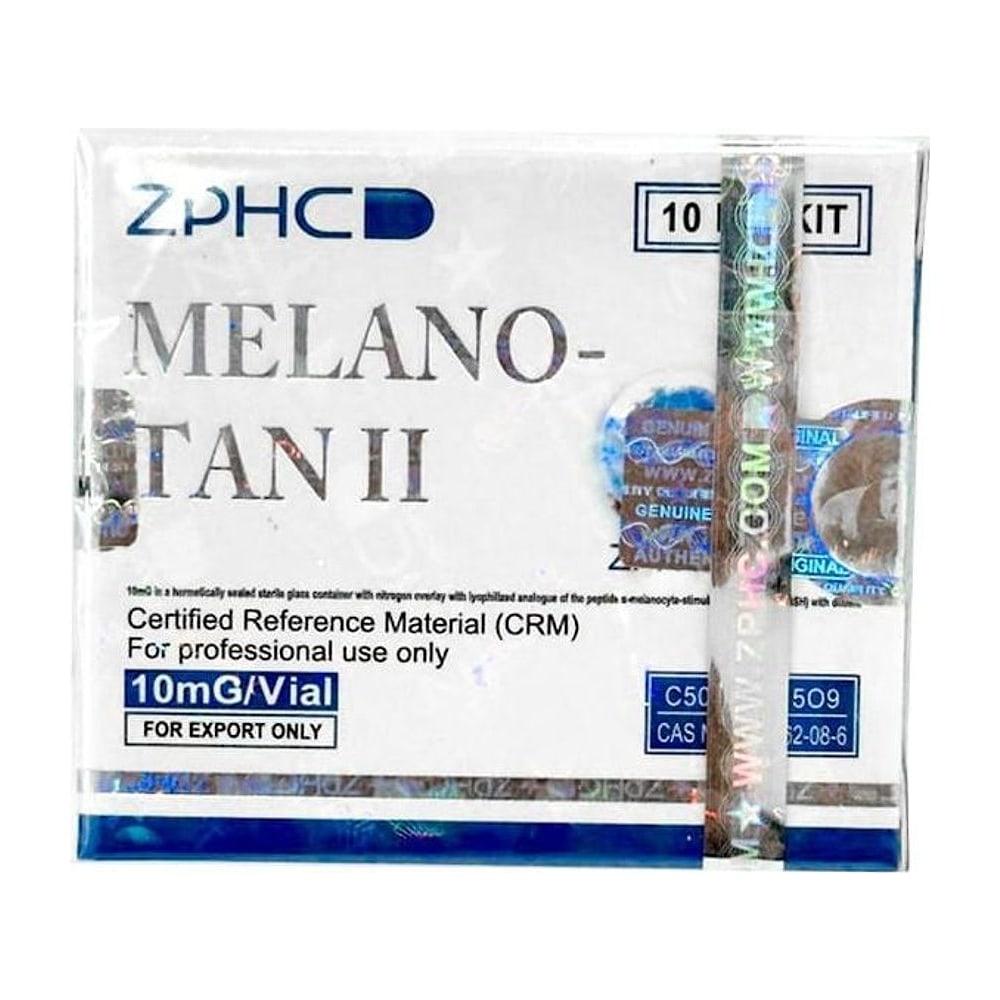
Research Disclaimer: All compounds described are sold exclusively for in-vitro and laboratory research use. Not for unsupervised use. This content does not constitute medical advice.
The melanocortin system is a neuroendocrine signaling network comprising five G-protein coupled receptors (MC1R through MC5R), their endogenous agonist ligands derived from POMC (pro-opiomelanocortin), and two endogenous antagonists (agouti protein and AgRP — agouti-related peptide). The system regulates melanogenesis, adrenal steroidogenesis, energy balance, sexual function, inflammation, and exocrine secretion. Understanding the full melanocortin system is essential for interpreting the pharmacology of research peptides including MT-II, PT-141, α-MSH, and ACTH analogues.
Table of Contents#
- POMC: The Precursor Protein
- MC1R — Melanogenesis and Skin Pigmentation
- MC2R — ACTH Receptor and Adrenal Steroidogenesis
- MC3R — Energy Balance and Inflammation
- MC4R — Appetite, Energy, and Sexual Behavior
- MC5R — Exocrine Glands and Immune Function
- Endogenous Antagonists: Agouti and AgRP
- Receptor Pharmacology Tools
- Key References
POMC: The Precursor Protein#
Pro-opiomelanocortin (POMC) is the 266-amino acid precursor processed differently in:
- Anterior pituitary: POMC → ACTH (primarily) + β-LPH
- Hypothalamus (ARC), skin: POMC → α-MSH + β-MSH + γ-MSH + ACTH + β-endorphin
Key melanocortin peptides:
| Peptide | AA length | Receptors activated |
|---|---|---|
| α-MSH | 13 | MC1R, MC3R, MC4R, MC5R |
| β-MSH | 18 | MC3R, MC4R |
| γ-MSH | 11–13 | MC3R > others |
| ACTH(1-39) | 39 | MC2R (primary), MC1R, MC3R-5R at high concentrations |
| ACTH(1-13) = α-MSH analog | — | MC1R, MC3R, MC4R, MC5R |
All melanocortin agonists share the His-Phe-Arg-Trp core sequence (positions 6-9 in ACTH; 6-9 in α-MSH) — this tetrapeptide is the minimal pharmacophore required for MCR binding.
MC1R — Melanogenesis and Skin Pigmentation#
Expression: melanocytes (skin, uveal, choroidal), melanoma cells, monocytes/macrophages, NK cells, antigen-presenting cells
Signaling: Gs → cAMP → PKA → MITF → TYR/TYRP1/DCT transcription → eumelanin production
Endogenous agonists: α-MSH (primary), ACTH
Function:
- Melanogenesis switch: MC1R activation shifts from phaeomelanin (UV-generating, yellow/red) to eumelanin (UV-absorbing, brown/black)
- UV response: UV radiation → keratinocytes release α-MSH → MC1R on melanocytes → protective eumelanin production
- Immune modulation: MC1R on macrophages → anti-inflammatory (inhibits NF-κB, promotes IL-10)
Research tools:
- Agonists: α-MSH, MT-II, afamelanotide (NDP-MSH), BMS-470539 (selective MC1R agonist)
- Antagonist: Agouti protein (inverse agonist at MC1R; agouti-yellow mice: constitutive MC1R antagonism → yellow coat, no eumelanin)
MC2R — ACTH Receptor and Adrenal Steroidogenesis#
Expression: Adrenal cortex (zona fasciculata → cortisol; zona glomerulosa → aldosterone)
Signaling: Gs → cAMP → PKA → StAR → cholesterol import → steroidogenesis
Unique feature: MC2R is the only MCR that does not bind α-MSH — only ACTH(1-39) and ACTH(1-24) are active at MC2R. This strict selectivity is mediated by the accessory protein MRAP (melanocortin 2 receptor accessory protein), which is required for MC2R expression and ACTH selectivity.
Endogenous ligand: ACTH exclusively
Function:
- Primary regulator of adrenal cortisol and aldosterone synthesis
- ACTH → MC2R → rapid StAR induction → cortisol surge within minutes
- Chronic ACTH → adrenal hypertrophy (long-term trophic effect)
Research note: MC2R cannot be studied using α-MSH analogues or MT-II/PT-141. Use synthetic ACTH(1-24) (cosyntropin/synacthen) for MC2R-specific studies.
MC3R — Energy Balance and Inflammation#
Expression: Hypothalamus (ARC, VMH), limbic system, GI tract, placenta, immune cells
Signaling: Gs → cAMP → PKA
Function:
- Energy balance autoreceptor: MC3R on AgRP/NPY neurons in ARC → autoreceptor inhibition (AgRP neurons that release melanocortin antagonist are themselves inhibited by MCR signaling)
- Natriuresis: MC3R in kidney → sodium excretion
- Inflammation: MC3R on immune cells → anti-inflammatory; MC3R knockout mice → exaggerated inflammatory responses in some models
Research tools:
- D-Trp⁸-γ-MSH: selective MC3R agonist
- SHU9119: MC3R/MC4R antagonist (not selective)
- PT-141: activates both MC3R and MC4R (not useful for isolating MC3R)
MC4R — Appetite, Energy, and Sexual Behavior#
Expression: Hypothalamus (PVN, LHA, VMH), brainstem (NTS, DMNV), spinal cord, cortex
Signaling: Gs → cAMP → PKA; may also couple to Gq
Function:
- Appetite suppression: MC4R activation → POMC/CART neuron signaling → anorexia; MC4R knockout → obesity, hyperphagia (most common monogenic cause of human obesity known)
- Energy expenditure: MC4R → sympathetic nervous system → increased thermogenesis
- Sexual behavior: MC4R in PVN → oxytocin release → penile erection and sexual motivation
- Blood pressure: MC4R in brainstem → increased sympathetic tone → BP elevation with chronic activation
Research tools:
- Agonists: MT-II, PT-141, MTII, LY2112688 (selective MC4R)
- Antagonist: HS024, SHU9119
- MC4R KO mice: constitutively obese, hyperphagia, absent MC4R-mediated erection
Agouti-related peptide (AgRP): endogenous inverse agonist at MC4R — constitutive activity of MC4R is inhibited by AgRP from hypothalamic AgRP/NPY neurons. When food is restricted → AgRP rises → MC4R suppressed → increased appetite.
MC5R — Exocrine Glands and Immune Function#
Expression: Exocrine glands (sweat, lacrimal, harderian, sebaceous), skeletal muscle, adrenal, lymphocytes
Signaling: Gs → cAMP
Function:
- Exocrine secretion: MC5R in lacrimal, sweat, sebaceous glands → secretory regulation
- MC5R knockout mice: abnormal exocrine function; harderian gland hypertrophy
- Immune: MC5R on T cells and macrophages → immune modulation (anti-inflammatory in some models)
- Skeletal muscle: high MC5R mRNA in skeletal muscle; function unclear — potential role in muscle metabolism
Research tools:
- γ-MSH (selective for MC3R/MC5R over MC4R)
- Selective MC5R ligands: few available; most peptide tools are non-selective
Endogenous Antagonists: Agouti and AgRP#
Two endogenous proteins act as inverse agonists/antagonists at MCRs:
| Protein | Expression | Targets | Role |
|---|---|---|---|
| Agouti protein | Skin follicle | MC1R (inverse agonist), MC4R (antagonist) | Switches melanocytes from eumelanin → phaeomelanin (produces yellow/agouti banding); reduces MC4R tone in skin |
| AgRP (agouti-related peptide) | ARC neurons | MC3R, MC4R (inverse agonist) | Increases food intake by suppressing MC4R anorexigenic tone; increases with fasting |
Agouti-yellow mouse (Aᵛʸ): ectopic agouti protein ubiquitously expressed → yellow fur (MC1R blocked), obesity (MC4R blocked), insulin resistance, increased tumor susceptibility. Classic model for studying obese/metabolic phenotype.
AgRP neuron ablation: adult AgRP neuron ablation → severe anorexia/death (animals stop eating) → establishes critical role of AgRP/MC4R pathway in feeding control.
Receptor Pharmacology Tools#
| Tool | Class | Receptor selectivity | Notes |
|---|---|---|---|
| α-MSH | Endogenous peptide | MC1, MC3, MC4, MC5 | Reference agonist |
| ACTH(1-24) | Endogenous peptide (truncated) | MC1-5 (MC2R at higher priority) | Standard for adrenal stimulation |
| MT-II | Synthetic cyclic | MC1-5 (non-selective) | Research tanning + sexual behavior |
| PT-141 | Synthetic cyclic | MC3R/MC4R (relative) | Sexual behavior research |
| BMS-470539 | Small molecule | MC1R selective | For isolating MC1R-specific effects |
| LY2112688 | Peptide | MC4R selective | Obesity/sexual behavior MC4R studies |
| SHU9119 | Cyclic peptide | MC3R/MC4R antagonist | Block MC4R effects |
| HS024 | Linear peptide | MC4R selective antagonist | More selective than SHU9119 |
| Agouti protein | Endogenous | MC1R/MC4R inverse agonist | Constitutive blocker (genetic models) |
| AgRP | Endogenous | MC3R/MC4R inverse agonist | Constitutive appetite stimulant |
Key References#
-
Cone RD. (2006). "Studies on the physiological functions of the melanocortin system." Endocrine Reviews, 27(7):736–749.
-
Wikberg JES. (1999). "Melanocortin receptors: perspectives for novel drugs." European Journal of Pharmacology, 375(1–3):295–310.
-
Hadley ME & Dorr RT. (2006). "Melanocortin peptide therapeutics: historical milestones, clinical studies and commercialization." Peptides, 27(4):921–930.
Research Use Only: All compounds described are sold exclusively for in-vitro research and laboratory use. Not for unsupervised use. JuicedPharma does not provide medical advice.
Published by JuicedPharma Research Team · September 2026 · Category: Research Protocols & Science