Research Disclaimer: All compounds described are sold exclusively for in-vitro and laboratory research use. Not for unsupervised use. This content does not constitute medical advice.
Sexual dysfunction research has expanded beyond the vascular PDE5 inhibitor paradigm to encompass central neural mechanisms governing desire, arousal, and motivation. Several peptide systems — including melanocortin (PT-141/MC4R), kisspeptin, oxytocin, and vasoactive intestinal peptide (VIP) — modulate sexual circuits at the hypothalamic, mesolimbic, and spinal cord levels. Understanding these peptidergic mechanisms is essential for designing research protocols that address the multidimensional nature of sexual function: not just the vascular mechanics of erection, but the central drive, arousal, and reward circuitry that govern whether sexual activity is initiated at all.
Table of Contents#
- The Central Circuitry of Sexual Function
- Melanocortin Peptides: PT-141 and the MC4R Pathway
- Kisspeptin: Hypothalamic Sexual Arousal Peptide
- Oxytocin: The Pro-Sexual Neuropeptide
- Vasoactive Intestinal Peptide (VIP) in Penile Function
- Peptide vs. Small-Molecule Approaches: Comparison
- Research Protocols
- Key References
The Central Circuitry of Sexual Function#
Sexual function involves at least three distinct levels:
1. Hypothalamic drive centers:
- Medial preoptic area (mPOA): primary site for male sexual motivation; lesions abolish copulation
- Ventromedial nucleus (VMN): central for female sexual receptivity
- Paraventricular nucleus (PVN): oxytocin and MC4R neurons; integrates arousal signals with autonomic output
2. Mesolimbic reward circuit:
- Nucleus accumbens (NAc): sexual reward and motivation
- Ventral tegmental area (VTA): dopamine production → NAc → sexual motivation
- Dopamine: critical for sexual motivation (D2 receptors in NAc → facilitates approach)
3. Spinal/peripheral output:
- Sacral parasympathetic neurons → NO release → corpus cavernosum vasodilation (erection)
- Sympathetic: ejaculatory control
- Sensory afferents: pelvic nerve → ascending arousal signals
Peptides act primarily at levels 1 and 2; PDE5 inhibitors act at level 3.
Melanocortin Peptides: PT-141 and the MC4R Pathway#
The best-characterized pro-sexual peptide system:
Key peptides:
- α-MSH (endogenous): 13 aa, MC1-5R agonist; pro-sexual at hypothalamus
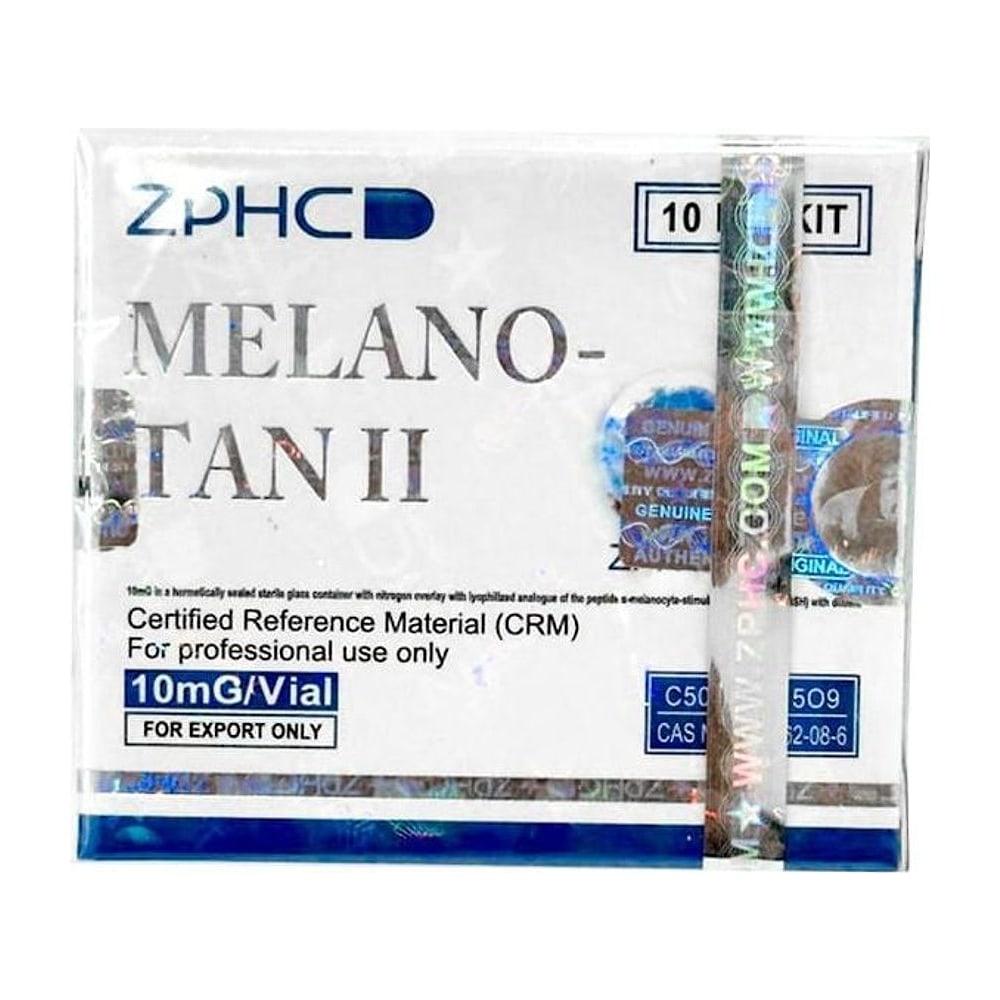
- PT-141 (bremelanotide): synthetic cyclic analogue, selective MC3R/MC4R; FDA-approved for HSDD in women
Mechanism:
- MC4R in PVN → oxytocin release → spinal → enhanced NO from NANC neurons
- MC4R in mPOA → dopamine release → mesolimbic reward activation → sexual motivation
Research evidence:
- PT-141 0.1–1 mg/kg SC in male rats → dose-dependent ex copula erections
- PT-141 in ovariectomized female rats → increased lordosis quotient
- MC4R knockout mice → both effects absent
Endogenous regulation: AgRP (hypothalamic) → antagonizes MC4R → reduces sexual motivation in fasted/stressed states. This explains why hunger and stress reduce libido: AgRP rises → MC4R suppressed → sexual motivation decreases.
Kisspeptin: Hypothalamic Sexual Arousal Peptide#
Kisspeptin (encoded by KISS1 gene) is a hypothalamic neuropeptide that:
- Activates the kisspeptin receptor (KISS1R/GPR54)
- Primarily known for HPTA control: kisspeptin neurons in ARC → GnRH secretion → LH/FSH
- Also modulates sexual arousal and motivation (independent of GnRH)
Kisspeptin and sexual behavior:
- Kisspeptin injection (peripheral or ICV) in human volunteers → increased sexual arousal (subjective rating) and penile response to erotic stimuli
- Kisspeptin → activates olfactory and limbic circuits involved in sexual cognition
- Brain regions: medial amygdala, hippocampus, prefrontal cortex — kisspeptin-positive neurons in these areas suggest cognitive/emotional sexual arousal role
Research application:
- Kisspeptin-10 (kp-10, the active fragment): 10 aa peptide, available for research
- Rodent model: kisspeptin-10 ICV → enhanced sexual behavior (mounting frequency, intromission) in male rats
- KISS1R knockout mice: reduced sexual motivation behaviors
Oxytocin: The Pro-Sexual Neuropeptide#
Oxytocin (OT) is a hypothalamic neuropeptide produced in PVN and supraoptic nucleus:
- Classic roles: parturition, breastfeeding
- Sexual function: OT released during sexual arousal and orgasm
- OT receptor (OTR): expressed in limbic system, hippocampus, nucleus accumbens, spinal cord
OT in sexual behavior:
- OT injection (peripheral or ICV) → facilitates male rat erection (ex copula) and enhances female lordosis
- Mechanism: OT → sacral spinal cord OTR → enhanced parasympathetic NO release → penile vasodilation
- PT-141's erection effect is partially OT-mediated (blocked by OT antagonist atosiban)
- OT: reduces anxiety around sexual activity → may contribute to pro-social/pro-sexual effects
Research tools:
- OT receptor agonists: carbetocin (selective, longer-acting)
- OT receptor antagonists: atosiban (tocolytic), used to block OT-mediated effects and distinguish OT from direct autonomic pathways
Vasoactive Intestinal Peptide (VIP) in Penile Function#
VIP is a neuropeptide co-released with NO from NANC neurons in the penis:
- VIP receptor (VPAC1/VPAC2): expressed in corpus cavernosum smooth muscle
- VIP → Gs → cAMP → PKA → smooth muscle relaxation (parallel to NO/cGMP pathway)
- VIP contribution to erection: ~20–30% of the total NANC-mediated relaxation
- VIP alone: produces partial erection in animal models
- VIP + NO/cGMP: synergistic relaxation
Research note: PDE5 inhibitors block cGMP breakdown but do not affect VIP/cAMP pathway. Combining PDE5i with PDE3 or PDE4 inhibitors could theoretically enhance cAMP-driven VIP pathway — but systemic cardiovascular effects limit this approach in vivo.
Peptide vs. Small-Molecule Approaches: Comparison#
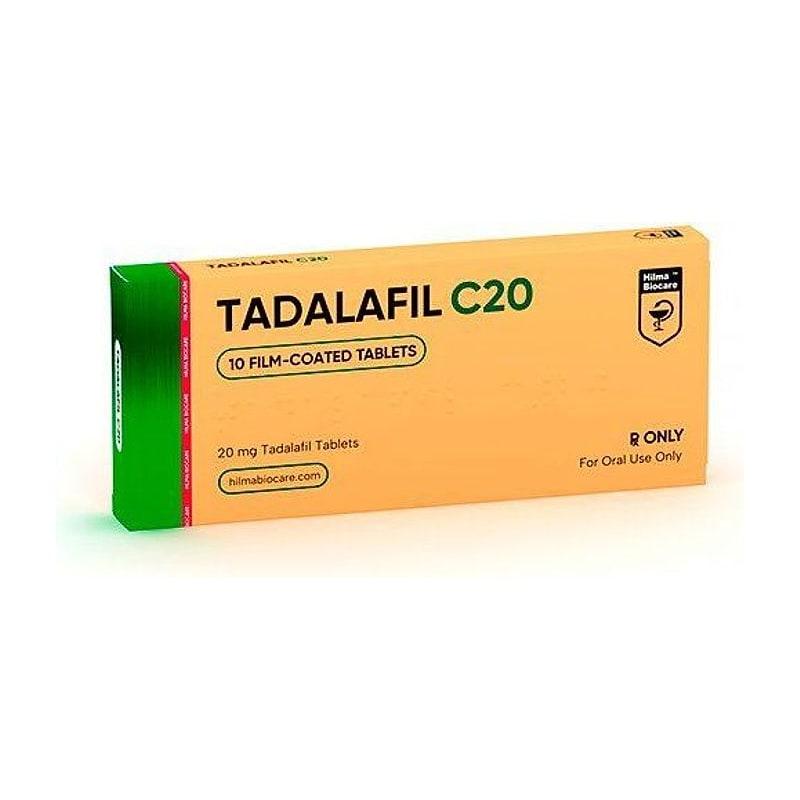
| Property | Sexual health peptides (PT-141, OT, kisspeptin) | PDE5 inhibitors (sildenafil, tadalafil) |
|---|---|---|
| Primary target | CNS (hypothalamus, mesolimbic, spinal) | Peripheral (corpus cavernosum) |
| Effect on desire | Yes (primary) | None |
| Effect on arousal | Yes | None |
| Effect on erection | Via CNS-spinal pathway | Direct vascular |
| Female efficacy | Yes (HSDD, desire) | Limited |
| Route | SC injection (peptides) | Oral (small molecules) |
| CNS access | Required (key target) | Not required |
Research Protocols#
Multi-peptide comparison: PT-141 vs. kisspeptin-10 in male rat sexual behavior#
| Parameter | Specification |
|---|---|
| Model | Adult male SD rats (sexually experienced, habituation phase 2 weeks) |
| Groups | 1. Vehicle SC, 2. PT-141 0.1 mg/kg SC, 3. Kisspeptin-10 1 nmol ICV, 4. PT-141 + Kp-10 (combination) |
| Behavioral test | 30-min observation with receptive female; measure mount latency, mount frequency, intromission latency, ex copula erections |
| Specificity controls | HS024 (MC4R antagonist) for PT-141; KISS1R antagonist peptide-234 for kisspeptin |
Key References#
-
Clayton AH, et al. (2016). "Bremelanotide for female sexual dysfunctions in premenopausal women." Obstetrics and Gynecology, 128(5):1049–1057.
-
Dhillo WS, et al. (2007). "Kisspeptin-54 stimulates the hypothalamic-pituitary gonadal axis in human males." Journal of Clinical Endocrinology and Metabolism, 92(10):3958–3963.
-
Pfaus JG. (2009). "Pathways of sexual desire." Journal of Sexual Medicine, 6(6):1506–1533.
Research Use Only: All compounds described are sold exclusively for in-vitro research and laboratory use. Not for unsupervised use. JuicedPharma does not provide medical advice.
Published by JuicedPharma Research Team · September 2026 · Category: Peptides & Recovery