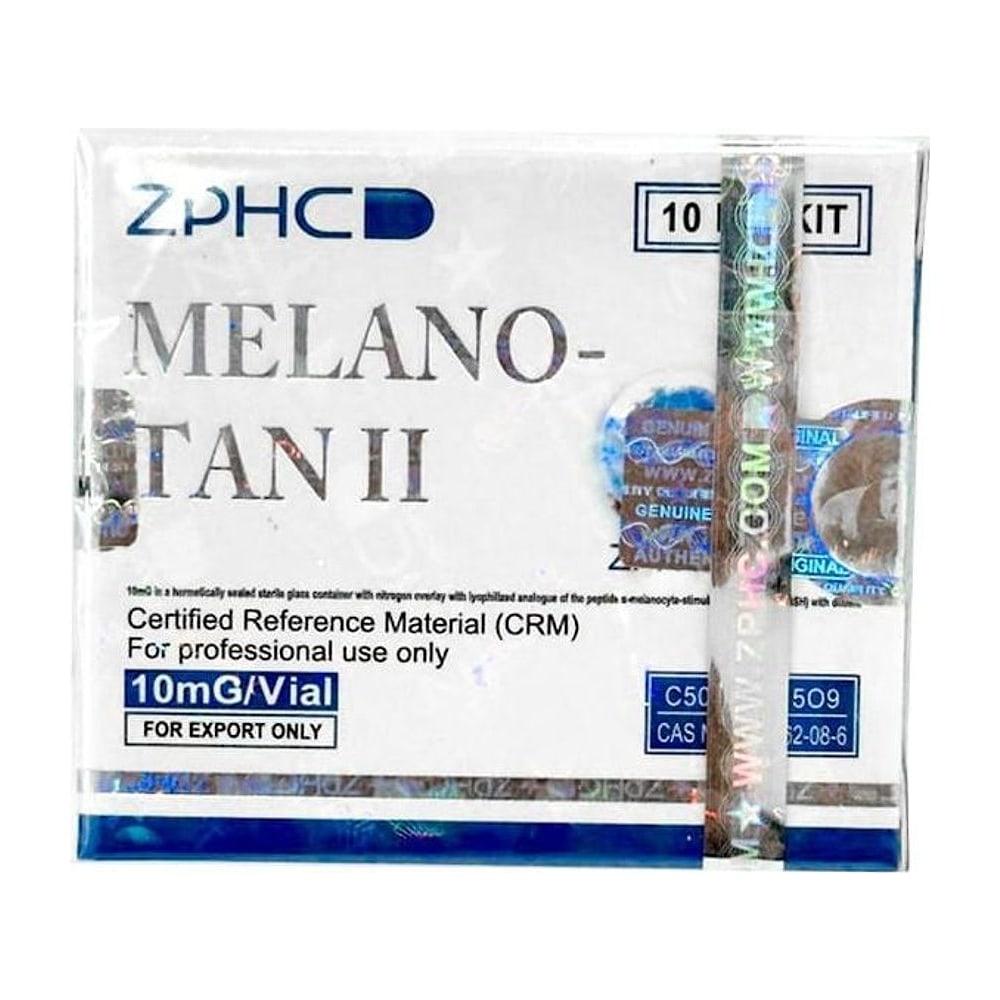
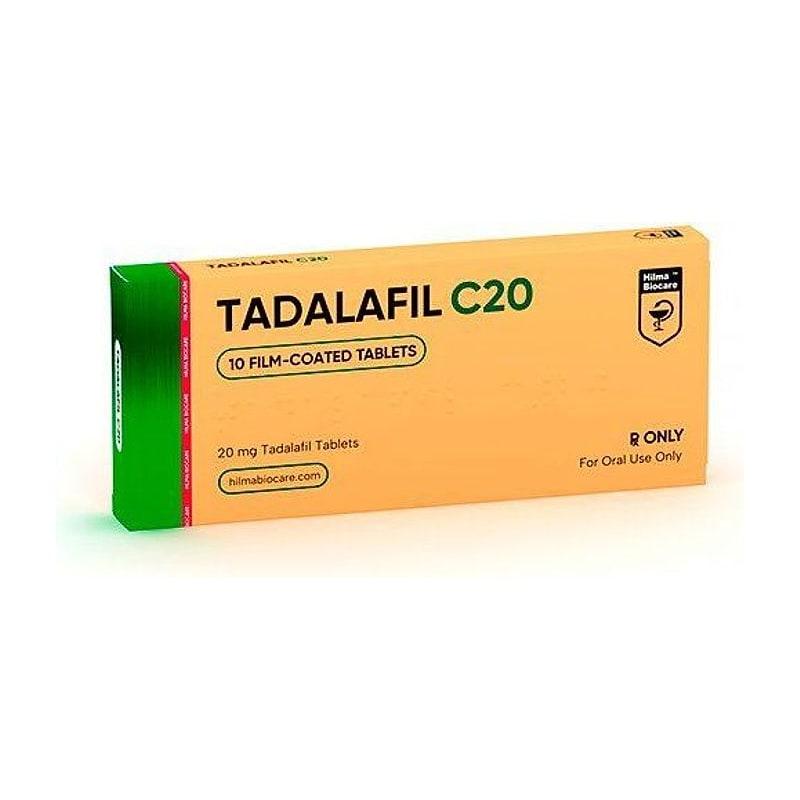
Research Disclaimer: PT-141 is sold exclusively for in-vitro and laboratory research use. Not for unsupervised use. This content does not constitute medical advice.
PT-141 (bremelanotide; IUPAC: cyclo[Nle⁴, D-Phe⁷]-α-MSH(4-10) analog) is a cyclic heptapeptide derived from the Melanotan II structure, developed as a selective melanocortin receptor agonist for sexual dysfunction research. Unlike PDE5 inhibitors (sildenafil, tadalafil) which act peripherally on vascular smooth muscle, PT-141 acts centrally — activating MC3R and MC4R in hypothalamic and mesolimbic circuits to modulate sexual motivation and arousal. FDA-approved in 2019 as Vyleesi for hypoactive sexual desire disorder (HSDD) in premenopausal women, PT-141 represents the first centrally-acting approved treatment for female sexual dysfunction.
Table of Contents#
- Structure: Cyclic Melanocortin Heptapeptide
- Mechanism: MC4R/MC3R Central Pathway
- Pharmacokinetics
- Animal Models: Sexual Behavior Research
- Human Clinical Data
- PT-141 vs. PDE5 Inhibitors: Mechanistic Comparison
- Research Protocols
- Key References
Structure: Cyclic Melanocortin Heptapeptide#
PT-141 = Ac-Nle-cyclo[Asp-His-D-Phe-Arg-Trp-Lys]-OH:
- Cyclic 7-amino acid peptide, MW ~1025 Da
- Derived from Melanotan II (MT-II) but truncated and cyclized for improved receptor selectivity
- Key pharmacophore: His-D-Phe-Arg-Trp tetrapeptide core (shared with α-MSH and MT-II) → critical for melanocortin receptor binding
- D-Phe substitution (D-phenylalanine at position 7): increases receptor affinity and metabolic stability vs. native L-Phe
Comparison with related compounds:
| Compound | Structure | Primary receptor | Primary effect |
|---|---|---|---|
| α-MSH (endogenous) | 13 aa linear | MC1, MC3, MC4, MC5 | Melanogenesis, appetite, sexual |
| Melanotan II (MT-II) | 7 aa cyclic | MC1, MC3, MC4, MC5 (less selective) | Tanning + sexual |
| PT-141 (bremelanotide) | 7 aa cyclic, modified | MC3R, MC4R (more selective than MT-II) | Sexual arousal (central CNS) |
Mechanism: MC4R/MC3R Central Pathway#
PT-141 activates melanocortin receptors in the hypothalamus and mesolimbic system:
MC4R pathway (primary for sexual effects):
- MC4R expressed in: hypothalamic paraventricular nucleus (PVN), medial preoptic area (mPOA), hippocampus, nucleus accumbens
- PT-141 → MC4R → Gs → cAMP → PKA → neuronal excitation
- PVN MC4R activation → oxytocin release → downstream pro-erectile and pro-sexual arousal effects
- mPOA MC4R → modulates sexual motivation circuits
Mechanism dissection studies:
- MC4R knockout mice: PT-141-induced penile erection abolished → MC4R required
- SHU9119 (MC3R/MC4R antagonist): blocks PT-141 sexual behavior effects
- HS024 (selective MC4R antagonist): partially blocks effects → MC4R is primary, MC3R contributes
Key distinction from PDE5 inhibitors: PT-141 requires sexual motivation — it increases the probability of sexual response to stimuli but does not produce mechanical erection independent of arousal.
Pharmacokinetics#
| Parameter | Value |
|---|---|
| Route | SC injection (preferred); intranasal (original formulation, discontinued) |
| t½ | ~2.7 hours (SC) |
| Cmax | ~4–6 ng/mL at 1.75 mg SC dose |
| Tmax | ~1 hour (SC) |
| Duration of effect | 4–6 hours (clinical); up to 12h in some subjects |
| Metabolism | Peptidase cleavage, renal elimination |
| MW | ~1025 Da |
Rodent PK:
- SC injection: Tmax ~15–30 min (faster clearance)
- Effective dose range: 0.01–1 mg/kg SC in standard rodent models
Animal Models: Sexual Behavior Research#
Male rat penile erection model#
| Parameter | Specification |
|---|---|
| Model | Adult intact male Sprague-Dawley rats |
| Treatment | PT-141 0.01–1 mg/kg SC in 0.9% saline |
| Observation | Open field; count ex copula penile erections × 30 min post-injection |
| Endpoints | Erection frequency, latency to first erection, grooming behavior (non-specific activation indicator) |
| Controls | Vehicle; MC4R antagonist HS024 (receptor specificity control); oxytocin antagonist (pathway control) |
Female rat lordosis model#
| Parameter | Specification |
|---|---|
| Model | Ovariectomized female rats, subthreshold estrogen priming (0.5 µg estradiol benzoate + 0.5 mg progesterone) |
| Treatment | PT-141 0.1–1 mg/kg SC; measure lordosis quotient (LQ = lordosis/mounting attempts) |
| Endpoint | LQ increase vs. vehicle; SHU9119 block of PT-141 LQ increase |
Human Clinical Data#
HSDD in premenopausal women (FDA approval basis)#
- Phase 3 trials (RECONNECT): n~1,200 premenopausal women with HSDD
- PT-141 1.75 mg SC prn → significant increase in satisfying sexual events vs. placebo (1.2 additional SSEs per 4-week period)
- Significant increase in desire score (FSFI desire subscale)
- Nausea (40%) and flushing (20%) are primary adverse effects (mediated by peripheral melanocortin receptors, not central)
Male erectile dysfunction#
- Early clinical trials: PT-141 SC or intranasal → improvements in erectile function (IIEF scores)
- Mechanistically complementary to PDE5i — MC4R pathway activation improves both desire and erection
- Not approved for male ED (Vyleesi is female-specific approval)
PT-141 vs. PDE5 Inhibitors: Mechanistic Comparison#
| Property | PT-141 | Sildenafil/Tadalafil |
|---|---|---|
| Site of action | CNS (hypothalamus/mesolimbic) | Peripheral (penile vasculature) |
| Receptor target | MC3R/MC4R | PDE5 inhibition → cGMP elevation |
| Requires sexual stimulation | Yes | Yes (PDE5i also require stimulation) |
| Effect on desire | Yes (primary effect) | No (purely vascular) |
| Erection mechanism | Indirect (via oxytocin, dopamine) | Direct (vascular smooth muscle relaxation) |
| Female effectiveness | Yes (proven in HSDD) | Limited evidence |
| CV safety profile | Nausea/flushing; no significant CV risk | Contraindicated with nitrates |
Research Protocols#
MC4R-mediated erection: dose-response and antagonist study#
| Parameter | Specification |
|---|---|
| Model | Adult male SD rats (intact) |
| Groups | 1. Vehicle, 2. PT-141 0.01 mg/kg SC, 3. PT-141 0.1 mg/kg SC, 4. PT-141 1 mg/kg SC, 5. HS024 (MC4R antagonist) 10 µg ICV + PT-141 1 mg/kg SC |
| Duration | Single-dose experiment, 60-min observation |
| Primary endpoint | Penile erection count (ex copula), latency to first erection |
| Secondary | Yawning (dopaminergic activation indicator), grooming |
Key References#
-
Pfaus JG, et al. (2004). "Melanocortins and female sexual function." European Journal of Pharmacology, 493(1–3):175–183.
-
Clayton AH, et al. (2016). "Bremelanotide for female sexual dysfunctions in premenopausal women." Obstetrics and Gynecology, 128(5):1049–1057.
-
Van der Ploeg LH, et al. (2002). "A role for the melanocortin 4 receptor in sexual function." PNAS, 99(17):11381–11386.
Research Use Only: PT-141 is sold exclusively for in-vitro research and laboratory use. Not for unsupervised use. JuicedPharma does not provide medical advice.
Published by JuicedPharma Research Team · September 2026 · Category: Peptides & Recovery