Research Disclaimer: All compounds described are sold exclusively for in-vitro and laboratory research use. Not for unsupervised use. This content does not constitute medical advice.
Sexual dysfunction research requires distinguishing between peripheral vascular mechanisms (the target of PDE5 inhibitors) and central neurological mechanisms (the target of melanocortin agonists like PT-141). Understanding this distinction is critical for selecting the correct research compound, interpreting results, and designing combination studies. PT-141 (bremelanotide) acts centrally via MC4R to enhance sexual motivation and arousal circuitry; sildenafil and tadalafil act peripherally to maintain penile vasodilation by preventing cGMP degradation. These are complementary — not competing — mechanisms.
Table of Contents#
- The Two Mechanisms Side-by-Side
- PT-141: CNS Circuit Activation
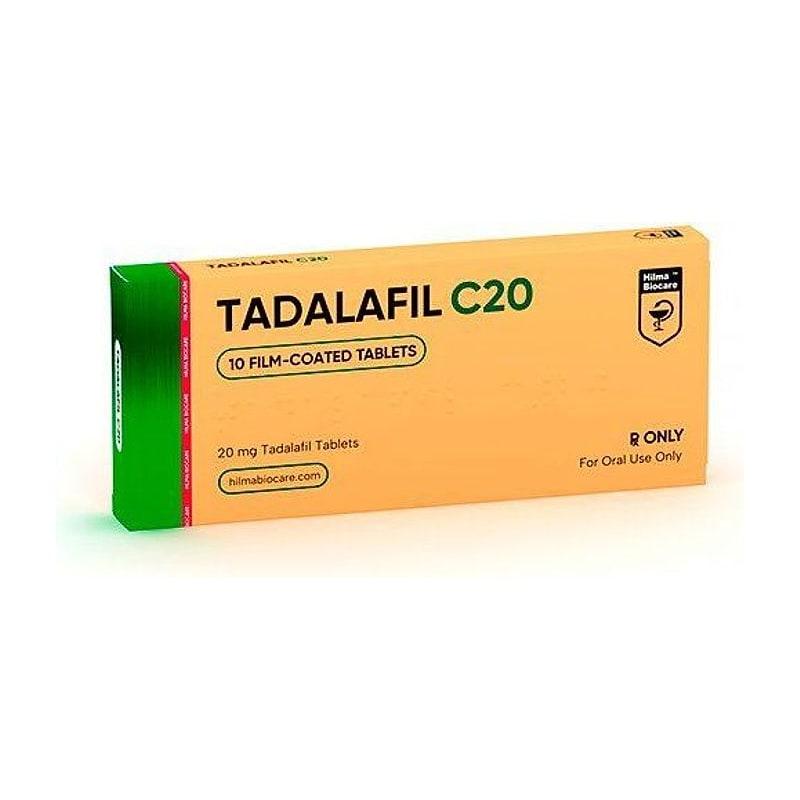
- PDE5 Inhibitors: Peripheral Vascular Mechanism
- Key Experimental Differences
- When Each Compound Is Appropriate
- Combination Research
- Research Protocols
- Key References
The Two Mechanisms Side-by-Side#
| Property | PT-141 (bremelanotide) | PDE5 inhibitors (sildenafil/tadalafil) |
|---|---|---|
| Primary site of action | CNS (hypothalamus: PVN, mPOA; mesolimbic) | Peripheral (corpus cavernosum smooth muscle) |
| Receptor/target | MC3R, MC4R (GPCR) | PDE5 (phosphodiesterase enzyme) |
| Upstream requirement | Endogenous α-MSH/POMC tone; sexual stimulation | Endogenous NO from NANC neurons and endothelium; sexual stimulation |
| Effect on desire/motivation | Yes (primary pharmacological effect) | No (purely vascular) |
| Effect on erection | Indirect (via oxytocin and dopamine) | Direct (corpus cavernosum smooth muscle relaxation) |
| Effect in women | Yes (FDA-approved for HSDD in women) | Limited evidence |
| Effect in neurogenic ED (nerve damage) | Potentially preserved (bypasses damaged nerves via CNS) | Reduced (requires functioning NANC nerve NO release) |
| Effect in psychogenic ED | Potentially superior (addresses desire deficit) | May be less effective if desire is the primary issue |
PT-141: CNS Circuit Activation#
PT-141's pathway to erection is multi-synaptic:
- SC PT-141 → crosses blood-brain barrier (cyclic peptide, partial BBB penetration)
- MC4R activation in PVN (paraventricular nucleus) → oxytocin release
- Oxytocin → spinal cord → sacral parasympathetic nucleus → enhanced NO release from NANC neurons in penis
- MC4R in mPOA (medial preoptic area) → dopamine release → sexual motivation circuits
- Net: central sexual motivation + facilitated peripheral neural NO release → erection
Critical distinction: PT-141 works through the brain, not the penis. This is why it can work in situations where the peripheral pathway is partially compromised.
Evidence for CNS mechanism:
- ICV (intracerebroventricular) PT-141 administration in rats → erections at 100-fold lower dose than SC → confirms CNS as primary target
- Oxytocin receptor antagonist (atosiban) co-administered → blocks PT-141-induced erections → confirms oxytocin as downstream mediator
- MC4R knockout mice → PT-141 erection effect abolished
PDE5 Inhibitors: Peripheral Vascular Mechanism#
Sildenafil/tadalafil pathway:
- Sexual stimulation → NANC neuron activity in cavernous nerve → NO release
- Endothelial eNOS → constitutive NO release
- NO → sGC → cGMP in corpus cavernosum smooth muscle
- PDE5 would normally degrade cGMP → sildenafil/tadalafil blocks this
- Persistent cGMP → PKG → smooth muscle relaxation → vasodilation → blood flow → erection
Dependency on intact nerve function: PDE5 inhibitors amplify existing cGMP but cannot create it. If cavernous nerve is severed (radical prostatectomy model) → no NO → no cGMP → PDE5 inhibitor has no substrate to protect → little effect.
Research model implication: cavernous nerve injury (CNI) rat model → PDE5 inhibitors have reduced efficacy → PT-141 (CNS pathway) may show relative superiority.
Key Experimental Differences#
| Experimental parameter | PT-141 | PDE5i (sildenafil/tadalafil) |
|---|---|---|
| Species (most studied) | Rat, mouse | Rat |
| Standard rodent dose | 0.1–1 mg/kg SC | 0.1–1 mg/kg oral |
| Onset in rats | ~15–30 min | ~30–60 min |
| Measurement of effect | Ex copula erections (counting), partner-directed sexual behavior | ICP (intracavernous pressure) during CN stimulation |
| Female animal model | Lordosis quotient | Not applicable (mechanistic) |
| Anatomical model | Behaving animal observation | Anesthetized CN stimulation |
| Brain mapping | c-Fos IHC in PVN, mPOA, nucleus accumbens | Not applicable |
When Each Compound Is Appropriate#
Use PT-141 when:
- Studying sexual desire, motivation, or arousal (not just erection mechanics)
- Female sexual dysfunction models (HSDD)
- Neurogenic ED with cavernous nerve compromise (CN injury model)
- Dissecting central vs. peripheral mechanisms of sexual function
- Researching oxytocin or dopamine pathways in sexual behavior
Use PDE5 inhibitors when:
- Studying vascular mechanisms of erection (corpus cavernosum smooth muscle)
- Diabetic or vasculogenic ED model (endothelial dysfunction)
- Pulmonary arterial hypertension (high PDE5 expression in pulmonary VSM)
- BPH (tadalafil: smooth muscle relaxation in prostate/bladder)
- In vitro cGMP pharmacology
Use both (combination) when:
- Studying synergistic vs. additive effects of CNS + peripheral approaches
- Modeling treatment-resistant ED (neurogenic + vasculogenic)
Combination Research#
Rationale for combination studies:
- PT-141 activates the desire/arousal circuit → increases the probability of spontaneous erection attempts
- PDE5i ensures the peripheral vasodilatory apparatus is maximally responsive
- Combined: address both central motivation deficit AND peripheral vascular reserve
Evidence from animal research:
- Subthreshold doses of PT-141 + subthreshold sildenafil → erection frequencies that neither produces alone → synergistic interaction
Clinical implication: PT-141 (Vyleesi) is approved in women where PDE5 inhibitors are not; understanding whether combination protocols would benefit both sexes in different sexual dysfunction subtypes is an active research area.
Research Protocols#
Head-to-head comparison: PT-141 vs. sildenafil in cavernous nerve injury model#
| Parameter | Specification |
|---|---|
| Model | Adult male SD rats, unilateral cavernous nerve crush injury |
| Groups | 1. Sham surgery + vehicle, 2. CNI + vehicle, 3. CNI + sildenafil 1 mg/kg oral, 4. CNI + PT-141 0.1 mg/kg SC, 5. CNI + sildenafil + PT-141 (combination) |
| Assessment | Week 4: CN stimulation ICP/MAP; ex copula erection count × 30 min |
| Endpoints | ICP/MAP ratio (CN stim), ex copula erections, PVN c-Fos activation (IHC), corpus cavernosum cGMP (ELISA) |
| Key comparison | Groups 3 vs. 4 isolate peripheral vs. central mechanisms |
Key References#
-
Clayton AH, et al. (2016). "Bremelanotide for female sexual dysfunctions in premenopausal women." Obstetrics and Gynecology, 128(5):1049–1057.
-
Corbin JD & Francis SH. (2002). "Pharmacology of phosphodiesterase-5 inhibitors." International Journal of Clinical Practice, 56(6):453–459.
-
Van der Ploeg LH, et al. (2002). "A role for the melanocortin 4 receptor in sexual function." PNAS, 99(17):11381–11386.
Research Use Only: All compounds described are sold exclusively for in-vitro research and laboratory use. Not for unsupervised use. JuicedPharma does not provide medical advice.
Published by JuicedPharma Research Team · September 2026 · Category: Research Protocols & Science