Research Disclaimer: All compounds discussed are sold exclusively for in-vitro and laboratory research use. Not approved for human therapeutic use. This content does not constitute medical advice.
Choosing the right GHRP for a research protocol requires understanding what each compound is selectively good at — not just that they all release GH. The three most studied GHRPs (Ipamorelin, GHRP-2, GHRP-6) differ meaningfully in GH pulse magnitude, cortisol co-release, appetite stimulation, half-life, and research application profiles. Getting this choice right prevents unnecessary confounds and makes results more interpretable.
Quick Reference Comparison#
| Parameter | Ipamorelin | GHRP-2 | GHRP-6 |
|---|---|---|---|
| GH pulse amplitude | High | Highest | Moderate-high |
| Cortisol elevation | None | Significant | Moderate |
| ACTH elevation | None | Significant | Moderate |
| Prolactin elevation | None | Slight | Slight |
| Appetite stimulation | Minimal | Moderate | Strong |
| Plasma t½ | ~2h | ~30 min | ~30 min |
| Selectivity profile | Best | Intermediate | Intermediate |
| Long-term protocol safety | Preferred | Use with caution | Intermediate |
| Human PK data | Limited | Yes (diagnostic) | Limited |
| Orexigenic research | No | Partial | Yes |
| GI motility effect | Minimal | Moderate | Strong |
When to Choose Ipamorelin#
Ipamorelin is the right choice when:
1. Research isolates GH effects from cortisol#
Any experiment measuring muscle protein synthesis, body composition, bone density, or recovery endpoints where cortisol is a known confounder requires a GHRP that does not co-release cortisol. Ipamorelin is the only GHRP with a documented no-cortisol-elevation profile.
2. Chronic protocols (>4 weeks)#
Chronic GHRP-2 produces adrenal hypertrophy in rodents (from sustained ACTH stimulation). Ipamorelin avoids this. Any protocol exceeding 4 weeks should default to Ipamorelin unless there is a specific reason to use GHRP-2.
3. Combination with CJC-1295 (standard GH research stack)#
The Ipamorelin + CJC-1295 combination is the most widely studied GHRP + GHRH combination. The combination is mechanistically rational (different receptors), well-tolerated, and produces synergistic GH release. For general GH axis research, this combination is the research standard.
4. Body composition endpoints#
Appetite confounds from GHRP-2 (moderate) and GHRP-6 (strong) make it difficult to attribute body composition changes purely to GH signaling. Ipamorelin's minimal orexigenic effect eliminates this confound.
When to Choose GHRP-2#
GHRP-2 is the right choice when:
1. Maximum GH pulse amplitude is required#
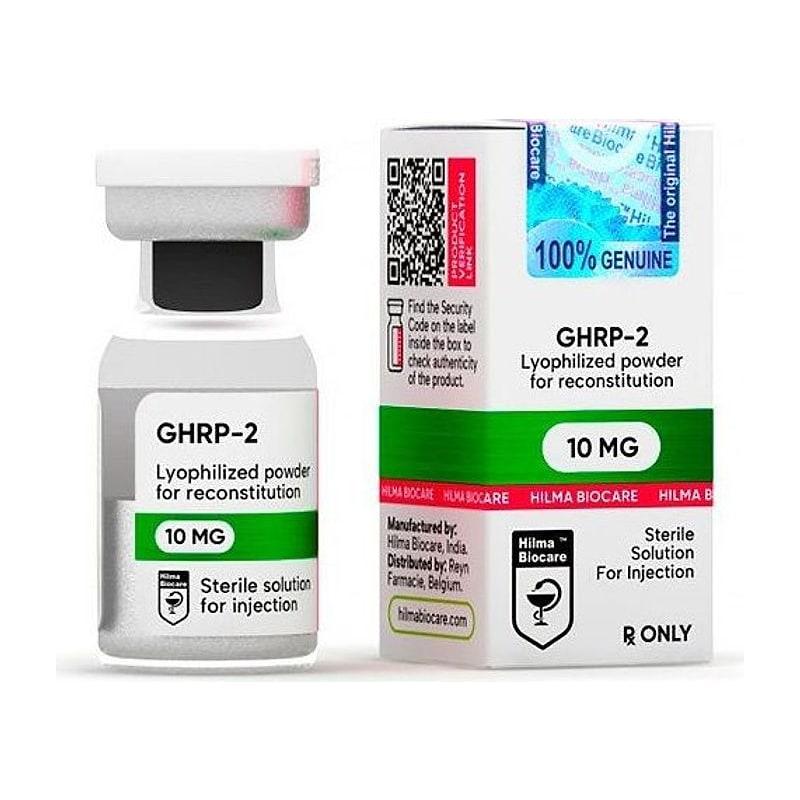
GHRP-2 produces 1.5–2× higher peak GH than Ipamorelin at equivalent weight-based doses. If the research requires maximum GH stimulation (e.g., identifying the upper limit of pituitary GH reserve, or maximizing IGF-1 elevation), GHRP-2 outperforms.
2. GH + cortisol co-release is the variable of interest#
Studies specifically investigating HPA axis co-activation by GHS-R1a agonists need a compound that produces both GH and cortisol elevation. GHRP-2 is the appropriate positive control for this endpoint.
3. Acute/short-term studies where cortisol is not a confound#
For a single-session or 1-week acute study measuring GH kinetics, the cortisol co-release from GHRP-2 may not significantly affect the primary endpoint. The larger GH signal from GHRP-2 can be advantageous for signal detection in short studies.
4. Diagnostic-reference studies#
GHRP-2 (Pralmorelin) has clinical diagnostic use in Japan for GH deficiency testing. Published human pharmacokinetic data makes it a reference compound for studies that need human-validated PK parameters.
When to Choose GHRP-6#
GHRP-6 is the right choice when:
1. Ghrelin axis / appetite research#
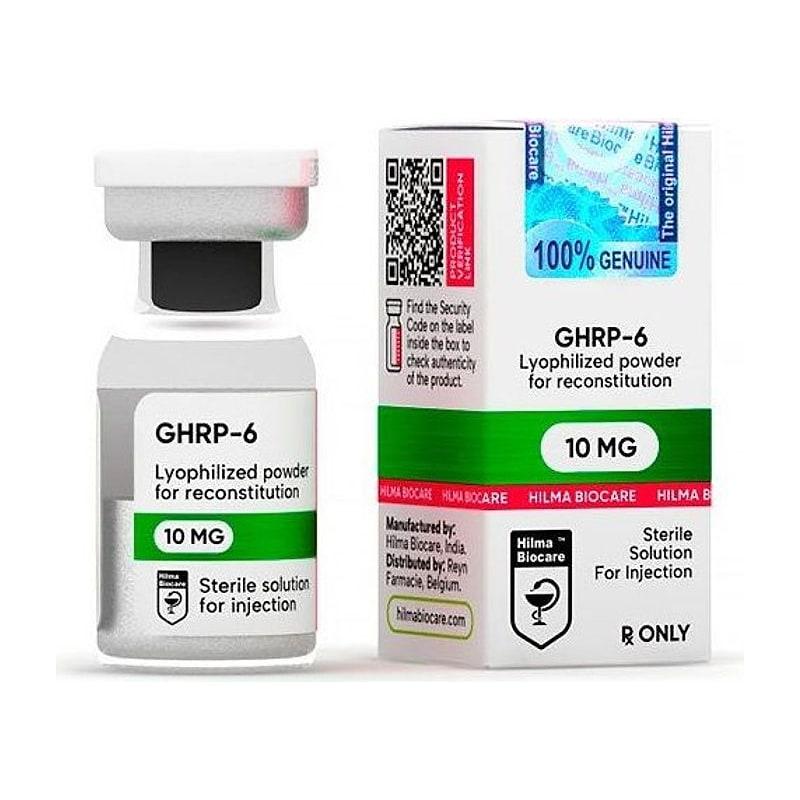
GHRP-6 is the most appropriate synthetic tool for studying the ghrelin receptor's orexigenic arm. It produces robust appetite stimulation (40–80% increase in food intake within 30 minutes in rodent studies) via hypothalamic NPY/AgRP activation — matching the endogenous ghrelin response more closely than GHRP-2 or Ipamorelin.
2. Cachexia / anorexia models#
In models of cancer cachexia, chemotherapy-induced anorexia, or surgical recovery where both appetite stimulation and anabolic GH/IGF-1 effects are desired, GHRP-6 combines both actions. Ipamorelin's anabolic effects without appetite stimulation may be insufficient when the primary deficit is reduced caloric intake.
3. GI motility research#
GHRP-6 has the strongest GI prokinetic effect among the three compounds. For studies of GHS-R1a-mediated gastric motility or intestinal transit, GHRP-6 is the appropriate tool.
4. Historical comparison studies#
GHRP-6 is the oldest and most studied GHRP (first described 1984). For studies replicating or extending early GHRP literature, GHRP-6 may be required for direct comparability.
Head-to-Head in Specific Research Models#
Body composition (lean mass / fat loss)#
Best: Ipamorelin — cleanest GH-effect attribution. No appetite or cortisol confounds. Well-supported by chronic protocol data.
Acceptable: GHRP-2 — larger GH/IGF-1 signal, but cortisol opposes anabolic effect.
Avoid: GHRP-6 — strong appetite confound makes body composition results hard to interpret as GH-mediated.
Bone density#
Best: Ipamorelin — chronic protocols possible without adrenal stress. Published bone data.
Acceptable: GHRP-2 for shorter studies.
GHRP-6: Less studied for bone specifically; not the first choice.
Muscle regeneration / recovery#
Best: Ipamorelin — often combined with BPC-157 + TB-500 for a complete recovery stack. No cortisol catabolic effect.
GHRP-2: Acceptable for acute recovery studies.
GHRP-6: Acceptable if increased food intake (more amino acids for muscle repair) is desired alongside GH stimulation.
Ghrelin biology / appetite#
Best: GHRP-6 — most closely mimics ghrelin's full pharmacological profile at GHS-R1a.
GHRP-2: Some appetite stimulation, less than GHRP-6.
Ipamorelin: Minimal orexigenic effect — wrong choice if appetite is the endpoint.
GI motility#
Best: GHRP-6 — strongest enteric GHS-R1a activation.
GHRP-2: Moderate effect.
Ipamorelin: Minimal GI effect — avoid for GI motility endpoints.
The Case for CJC-1295 in Combination#
Whichever GHRP you choose, adding a GHRH analog (CJC-1295) produces synergistic GH release that significantly exceeds GHRP monotherapy. The combination should be the default for most GH research unless GHRP-specific receptor pharmacology is being isolated.
For the cleanest, most published GH combination: Ipamorelin + CJC-1295 without DAC (Mod-GRF 1-29).
For maximum GH amplitude: GHRP-2 + CJC-1295.
For ghrelin + GH combined research: GHRP-6 + CJC-1295.
Frequently Asked Questions#
Can I use all three GHRPs in the same protocol? Not recommended. All three compete for the same receptor (GHS-R1a). Combining them does not access additional independent pathways — they would compete for binding rather than producing additive effects. Choose one GHRP and use it consistently throughout the protocol.
Is Ipamorelin always the best choice? Not always. It is the most selective and has the cleanest side-effect profile. But if maximum GH amplitude is the research priority, GHRP-2 is more appropriate. If appetite stimulation is specifically part of the model, GHRP-6 is more appropriate.
Are there other GHRPs not covered here? Hexarelin (GHRP-1), Sermorelin (a GHRH, not a GHRP), and MK-677 (oral GHS-R1a agonist) are additional compounds in this class. Each has a distinct profile. MK-677 in particular is notable for oral bioavailability.
Which GHRP is approved for human use? GHRP-2 (Pralmorelin) is approved in Japan as a diagnostic agent. None are approved for therapeutic use in the EU or US. All remain research compounds.
Research Use Only: All peptides referenced are sold exclusively for in-vitro research and laboratory use. Not for human consumption. JuicedPharma does not provide medical advice.
Published by JuicedPharma Research Team · September 2026 · Category: Growth Hormone