Research Disclaimer: All compounds described are sold exclusively for in-vitro and laboratory research use. Not for unsupervised use. This content does not constitute medical advice.
Oral anabolic steroids are 17α-alkylated (usually 17α-methylated) androgens that resist first-pass hepatic metabolism to achieve oral bioavailability. This structural modification is shared across all major oral anabolic steroids, but each compound's distinct ring structure, functional groups, and metabolic fate produce different pharmacological profiles. This reference guide compares the major oral anabolic steroids used in research.
Table of Contents#
- Why 17α-Alkylation Is Required for Oral Bioavailability
- Master Comparison Table
- Individual Profiles
- Hepatotoxicity: The C17α-Alkylation Trade-Off
- Lipid Effects: Oral vs. Injectable Androgens
- Selecting an Oral for Research Protocols
- Key References
Why 17α-Alkylation Is Required for Oral Bioavailability#
Native testosterone has near-zero oral bioavailability:
- After oral absorption → hepatic portal circulation → first-pass metabolism
- 17β-HSD (type 2 in liver) → converts testosterone's 17β-OH to 17-ketone (androstenedione) → inactive
- CYP3A4 → additional oxidative metabolism
C17α-methylation blocks 17β-HSD:
- The C17α-methyl group creates steric hindrance around the 17β-OH
- 17β-HSD type 2 cannot oxidize the 17β-OH when a methyl group occupies C17α
- Result: oral bioavailability increases from ~0–2% (testosterone) to ~30–97% (methylated androgens)
Trade-off: C17α-alkylated steroids undergo first-pass hepatic extraction and activate hepatic AR → hepatocellular stress → elevated liver enzymes (ALT, AST), cholestasis (rare), peliosis hepatis (very rare, dose/duration dependent).
Master Comparison Table#
| Compound | Base structure | C17α group | A:A ratio | Aromatization | SHBG binding | Oral t½ | Primary research use |
|---|---|---|---|---|---|---|---|
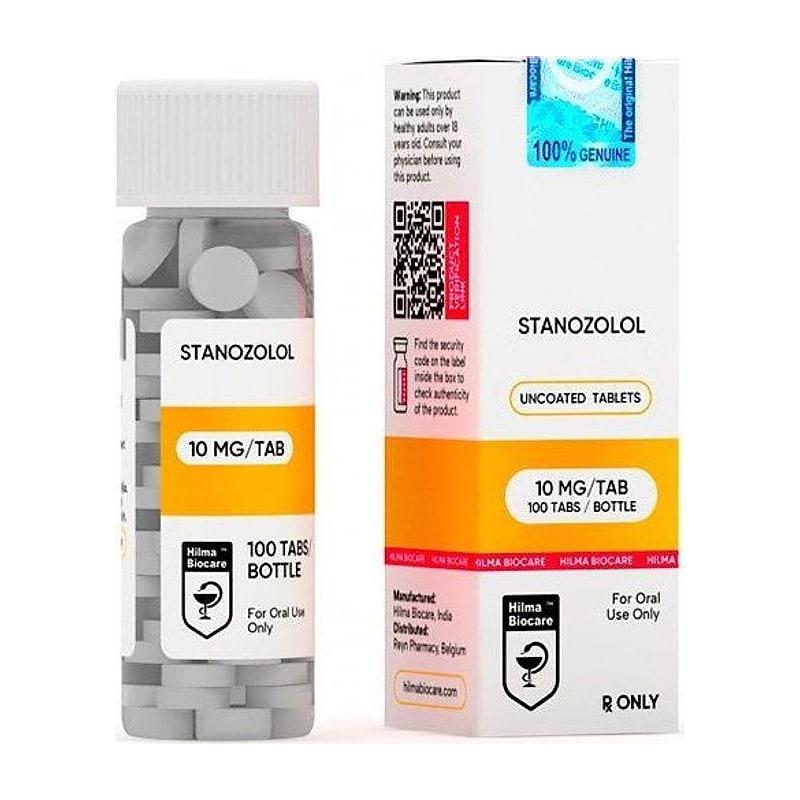
| Stanozolol | DHT + pyrazole A ring | Methyl | ~2–3:1 | None (DHT-based) | Very high | 4–9h | SHBG biology, anemia, HAE |
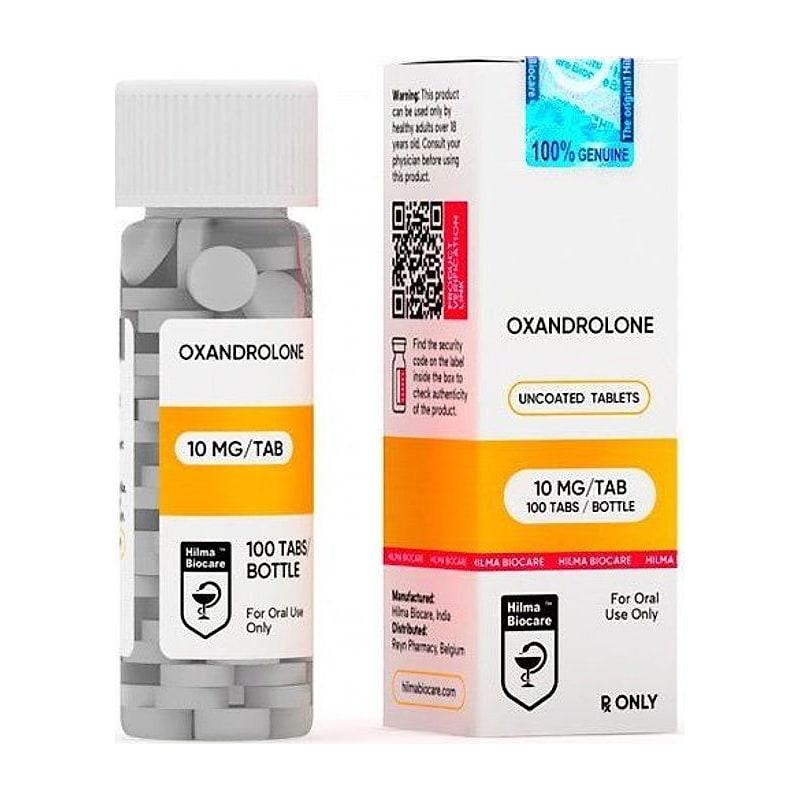
| Oxandrolone | DHT + 2-oxa A ring | Methyl | ~10:1 | None (DHT-based) | Moderate | 9–13h | Wasting, burns, pediatric, anemia |
| Methandrostenolone (D-bol) | Testosterone + Δ1,2 | Methyl | ~1.6:1 | Yes (~50% T) | Moderate-low | 3–6h | Muscle hypertrophy, HPTA suppression |
| Oxymetholone (Anadrol) | DHT + 2-hydroxymethylene A ring | Methyl | ~1.6:1 | Unique pathway* | Very low | 6–16h | Aplastic anemia, HIV wasting |
| Turinabol (4-CT) | Testosterone + Δ1,2 + 4-Cl | Methyl | ~3–4:1 | None (4-Cl blocks) | Moderate | 16h | Selective anabolic, clean A:A |
| Methyl-testosterone | Testosterone | Methyl | ~0.8:1 | Yes | Moderate | 2–3h | Early androgen research reference |
*Oxymetholone has estrogenic effects despite no documented aromatization → likely via ER partial agonism or via unique metabolites.
Individual Profiles#
Methandrostenolone (Dianabol, D-bol)#
- Structure: testosterone + Δ1,2 double bond + C17α-methyl = essentially oral Δ1-testosterone (boldenone with a methyl group)
- Aromatization: yes, approximately 50% the rate of testosterone (Δ1,2 bond slows aromatization moderately) → estrogenic activity
- A:A ratio: ~1.6:1 (moderate selectivity)
- t½: 3–6h → requires multiple daily dosing
- Primary research use: classical anabolic for muscle protein synthesis studies; aromatization to estrogen means E2 confound is present (use aromatase inhibitor if studying pure AR effects)
- Hepatotoxicity: significant (high first-pass activation → frequent ALT elevations in studies)
Oxymetholone (Anadrol)#
- Structure: 2-hydroxymethylene DHT derivative + C17α-methyl
- Unusual pharmacology: does not aromatize (DHT-based) but produces estrogenic effects in vivo → proposed mechanism: oxymetholone or metabolite acts as weak ER partial agonist (not aromatase-dependent)
- A:A ratio: ~1.6:1 (moderate)
- t½: 6–16h (variable across subjects)
- Primary research use: anemia (aplastic, HIV wasting) — FDA-approved for this indication; highest doses of any oral anabolic used clinically (up to 150 mg/day)
- Hepatotoxicity: highest among oral anabolics at therapeutic doses
Turinabol (4-chlorotestosterone acetate, 4-CT)#
- Structure: testosterone + Δ1,2 double bond (like D-bol) + C4 chlorine substitution → 4-chloro-17α-methyl-Δ1-testosterone
- The C4 chlorine blocks aromatization: aromatase cannot process the 4-chloro modification → zero aromatization
- A:A ratio: ~3–4:1 (more selective than D-bol, less than nandrolone or oxandrolone)
- t½: ~16h → once daily dosing possible
- Primary research use: anabolic effects without estrogenic confound; intermediate A:A ratio; longer t½ enables simpler dosing
- SHBG: moderate binding; does not displace strongly like stanozolol
- Historical notoriety: used in East German state doping program (Operation "Oral Turinabol")
Hepatotoxicity: The C17α-Alkylation Trade-Off#
All C17α-alkylated oral anabolic steroids carry hepatotoxicity risk, dose- and duration-dependent:
Mechanism of hepatotoxicity#
- Cholestasis: C17α-alkylated steroids inhibit bile acid transporters (specifically BSEP — bile salt export pump) → intrahepatic bile accumulation → hepatocellular damage
- Oxidative stress: hepatic first-pass creates reactive oxygen species during CYP metabolism → mitochondrial dysfunction → hepatocyte apoptosis
- Direct AR activation: hepatic AR → metabolic changes in hepatocytes → altered lipid handling, glycogen storage
Relative hepatotoxicity ranking#
| Compound | Relative hepatotoxicity (oral, standard doses) |
|---|---|
| Oxymetholone | Highest |
| Methandrostenolone | High |
| Methyl-testosterone | High |
| Stanozolol | Moderate-high |
| Turinabol | Moderate |
| Oxandrolone | Moderate (lowest among 17α-methylated) |
Research implication: ALT and AST must be measured as safety endpoints in any oral anabolic study. Include liver histology (H&E staining, trichrome for fibrosis) in studies lasting >4 weeks.
Stanozolol, €22 · 99.0% purityLipid Effects: Oral vs. Injectable Androgens#
Oral anabolic steroids have much more adverse effects on lipid profiles than injectable testosterone:
| Endpoint | Injectable testosterone (TE) | Oral anabolics (typical) |
|---|---|---|
| HDL-C change | -10–20% | -50–70% |
| LDL-C change | Slight increase | Moderate increase |
| Mechanism | Indirect (via E2 and liver AR) | Direct hepatic first-pass → CETP upregulation → HDL-C catabolism |
The hepatic first-pass is key: orals deliver high drug concentrations directly to liver hepatocytes → strong hepatic AR activation → suppression of ApoA-1 (HDL lipoprotein) synthesis → low HDL.
Injectable androgens largely avoid hepatic first-pass (absorbed from oil depot → systemic circulation → diluted by total blood volume before reaching liver).
Testosterone Enanthate, €37 · 99.2% purity
Selecting an Oral for Research Protocols#
| Research need | Recommended oral androgen |
|---|---|
| Maximum anabolic selectivity (highest A:A ratio) | Oxandrolone (~10:1) |
| SHBG biology/displacement | Stanozolol (highest SHBG affinity) |
| Estrogen-free AR activation with moderate selectivity | Stanozolol or turinabol |
| AR activation WITH estrogenic effects (mixed signal) | Methandrostenolone |
| Anemia/erythropoiesis (oral route) | Oxymetholone or stanozolol |
| Shortest t½ for tight daily dose control | Methandrostenolone (~3–6h) |
| Longest t½, once-daily dosing | Turinabol (~16h) or oxandrolone (~9–13h) |
| Lowest hepatotoxicity concern | Oxandrolone |
| Studying PR antagonism | Stanozolol (unique anti-progestogenic property) |
Key References#
-
Kicman AT. (2008). "Pharmacology of anabolic steroids." British Journal of Pharmacology, 154(3):502–521.
-
Shahidi NT. (2001). "Clinical applications of anabolic-androgenic steroids." Clinical Therapeutics, 23(9):1355–1390.
-
Creagh TM, et al. (1988). "Hepatic tumours induced by anabolic steroids in an athlete." Journal of Clinical Pathology, 41(4):441–443.
-
Hartgens F & Kuipers H. (2004). "Effects of androgenic-anabolic steroids in athletes." Sports Medicine, 34(8):513–554.
Research Use Only: All compounds are sold exclusively for in-vitro research and laboratory use. Not for unsupervised use. JuicedPharma does not provide medical advice.
Published by JuicedPharma Research Team · September 2026 · Category: Research Protocols & Science