Research Disclaimer: All compounds described are sold exclusively for in-vitro and laboratory research use. Not for unsupervised use. This content does not constitute medical advice.
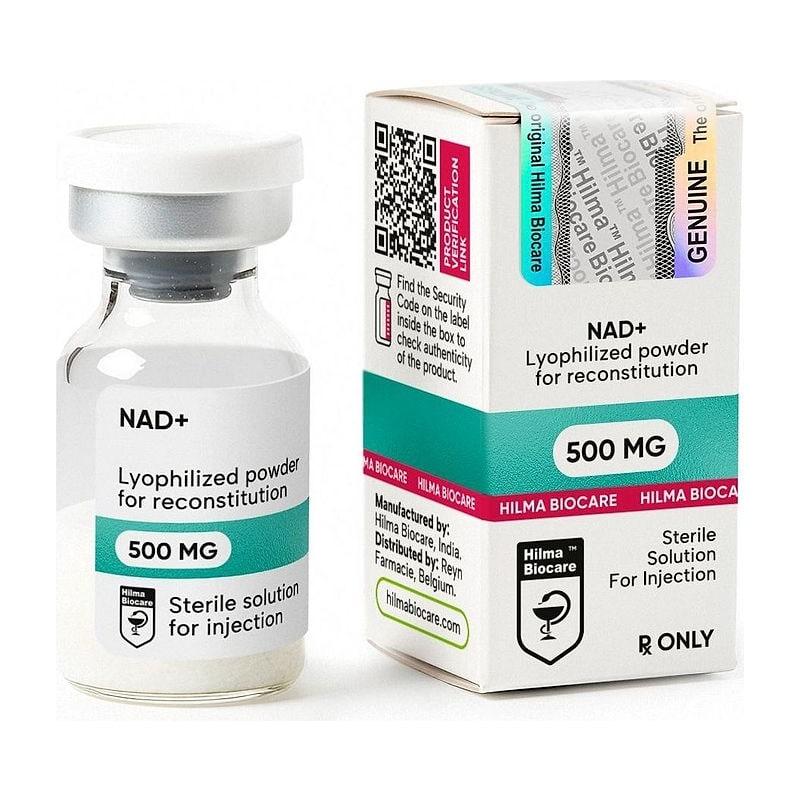
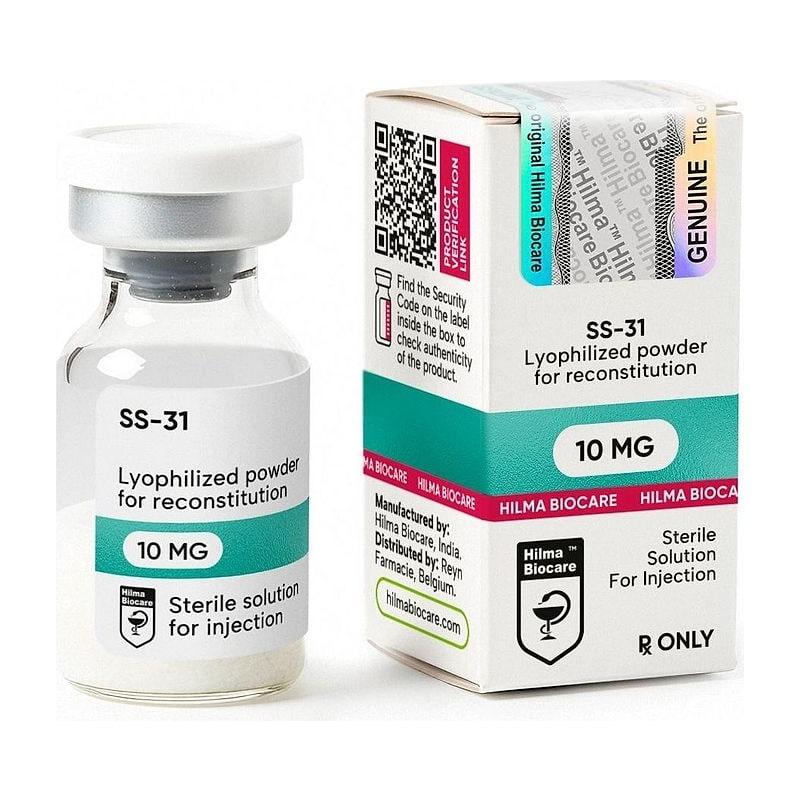
No single compound targets all hallmarks of aging — the multi-factorial nature of senescence means effective longevity research requires a multi-target approach. The NAD+ + SS-31 + ipamorelin stack addresses three mechanistically distinct aging processes: the decline in sirtuin activity (NAD+ precursors → SIRT1/SIRT3), the collapse of mitochondrial cristae architecture (SS-31 → cardiolipin stabilization), and GH/IGF-1 somatopause (ipamorelin → GHSR-1a → pulsatile GH restoration). This guide covers the rationale and research protocol for this combination.
Why Three Different Targets?#
Aging Hallmark 1 — NAD+ Decline / Sirtuin Dysfunction:
- With aging: CD38 nucleosidase activity increases → NAD+ consumed faster
- Result: SIRT1 (nuclear) and SIRT3 (mitochondrial) have less substrate → reduced activity
- Consequences: impaired DNA repair (PARP competition for NAD+), impaired autophagy, impaired mitochondrial biogenesis
- Intervention: NAD+ precursors (NMN/NR) → restore cellular NAD+ → reactivate sirtuins → multiple downstream benefits
Aging Hallmark 2 — Mitochondrial Dysfunction:
- Independently of NAD+ decline: cardiolipin oxidizes with aging → cristae architecture disrupts → ETC supercomplex disassembly → reduced OXPHOS efficiency
- This is a structural problem that NAD+ supplementation alone cannot fix
- Intervention: SS-31 → targets cardiolipin directly → preserves cristae → improves ETC efficiency without requiring new mitochondria
Aging Hallmark 3 — Somatopause / GH/IGF-1 Decline:
- GH pulse amplitude: ~50% lower in 60-year-olds vs. 20-year-olds
- IGF-1 declines proportionally → reduced mTOR signaling → reduced satellite cell activity → sarcopenia, reduced bone density, impaired tissue repair
- Intervention: ipamorelin → GHSR-1a → restores pulsatile GH → elevated IGF-1 → reverses somatopause features
Why combine all three: Each addresses a separate, non-overlapping mechanism. No redundancy; no receptor competition. The three pathways converge on common aging outcomes (body composition decline, reduced energy, impaired repair) but through distinct biology.
Research Protocol for the Longevity Stack#
Model: 24-month-old C57BL/6J mice (aged animal model; equivalent to ~65–70 year old human)
| Compound | Dose | Route | Frequency |
|---|---|---|---|
| NAD+ / NMN | 500 mg/kg/day | Oral (drinking water) | Daily |
| SS-31 | 3–5 mg/kg | SC | Daily |
| Ipamorelin | 200 μg/kg | SC | Twice daily |
| Vehicle control | Saline + water | SC + drinking water | Matching |
Study duration: 12–16 weeks (sufficient for body composition changes to become measurable in aged mice)
Groups (minimum design):
- Vehicle (aged control)
- NAD+ alone
- SS-31 alone
- Ipamorelin alone
- NAD+ + SS-31 + Ipamorelin (full stack)
- Young mice (positive reference, age 6–8 months)
The 6-group design allows assessment of individual vs. combined effects and comparison to young animal baseline.
Research Endpoints#
Body composition:
- DEXA at baseline, 8 weeks, endpoint: lean mass, fat mass, bone mineral density
- Grip strength (dynamometer): functional strength proxy
Mitochondrial function (primary for SS-31 + NAD+ arms):
- Seahorse XF assay on isolated mitochondria or permeabilized muscle fibers: OCR (basal, uncoupled, maximal), ATP production rate
- mtDNA:nDNA ratio (qPCR): mitochondrial content
- TMRM or JC-1 staining: membrane potential
NAD+ metabolomics:
- Tissue NAD+/NADH ratio: enzymatic cycling assay on liver, muscle, brain
- SIRT1 activity assay: deacetylase assay using acetyl-H3K9 substrate
GH/IGF-1 axis:
- Serum IGF-1 (ELISA): primary biomarker; measure monthly
- GH pulse sampling (serial blood, q20min × 3h): confirms pulsatile GH restoration
Cognitive and physical performance:
- Morris water maze: spatial memory
- Rotarod: balance and coordination
- Open field: locomotor activity
Research Use Only. JuicedPharma does not provide medical advice.
Published by JuicedPharma Research Team · October 2026 · Category: Research Protocols & Science