Research Disclaimer: All compounds described are sold exclusively for in-vitro and laboratory research use. Not for unsupervised use. This content does not constitute medical advice.
"Cutting" research protocols — designed to study fat loss while preserving lean mass — require a multi-target approach because fat mobilization, muscle preservation, and metabolic rate are regulated by distinct pathways. A well-designed cutting research stack combines compounds targeting lipolysis (adipocyte β3-AR, GH-driven HSL), lean mass preservation (AR, GR antagonism), and metabolic rate (thyroid axis, sympathomimetics). This guide covers the pharmacological rationale and research protocol design for a cutting compound bundle.
Cutting Protocol Compound Categories#
Category 1 — Lean Mass Preservation (Anti-Catabolic):
| Compound | Mechanism | Role in cutting protocol |
|---|---|---|
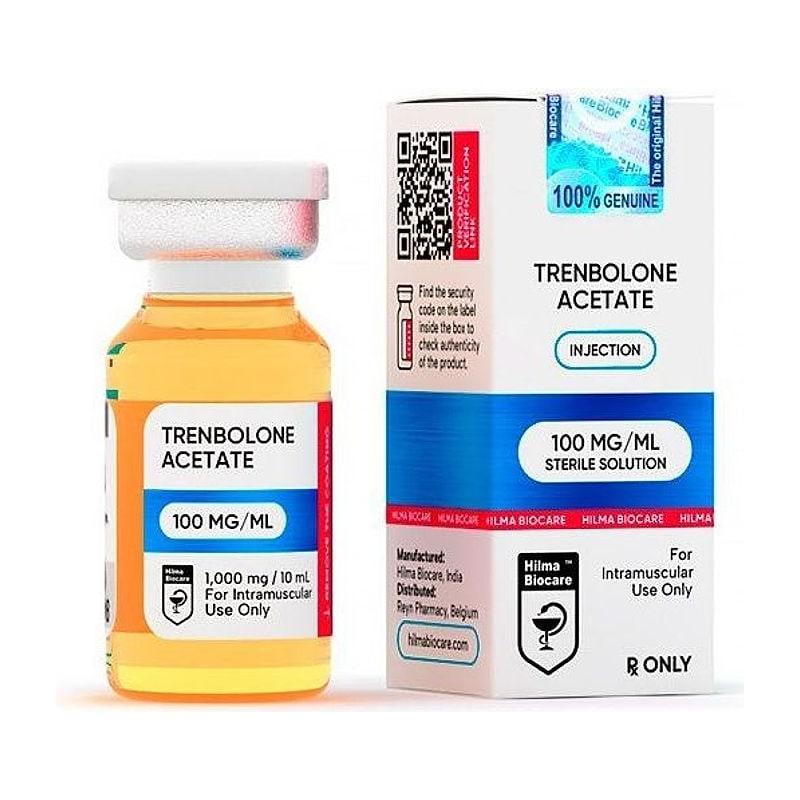
| Trenbolone Acetate | AR (high affinity) + GR antagonism | Prevents cortisol-driven muscle catabolism during caloric restriction |
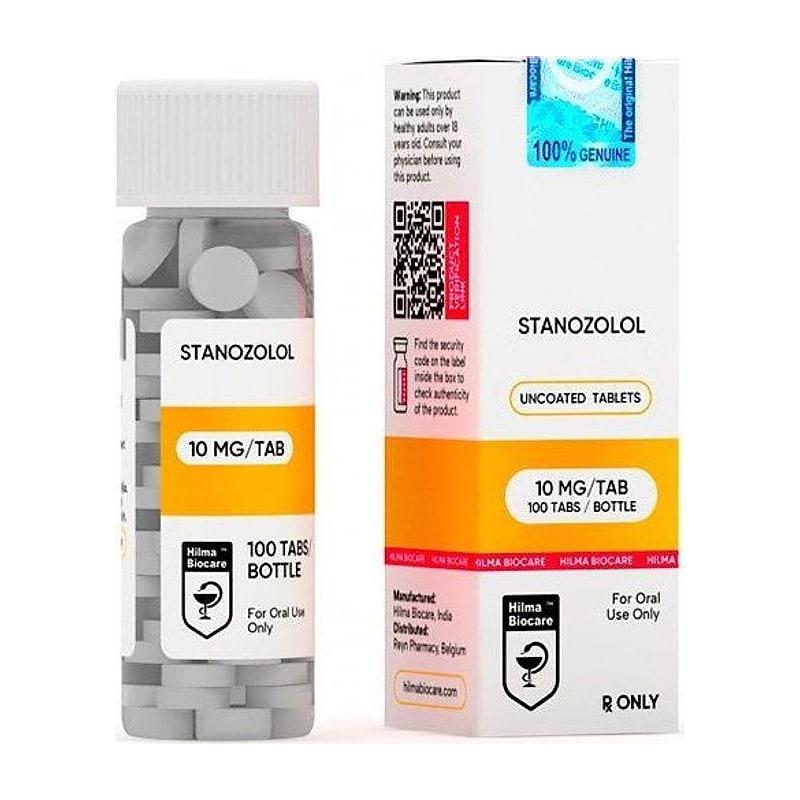
| Stanozolol | AR (weak) + SHBG displacement | Reduces SHBG → increases free testosterone availability; anti-estrogenic at tissue |
| Masteron (Drostanolone) | AR + partial estrogen antagonism | Maintains AR tone; no aromatization confound |
Trenbolone's unique cutting mechanism: The dual AR + glucocorticoid receptor antagonism makes trenbolone uniquely suited to cutting research: it maintains muscle protein synthesis (AR) while blocking cortisol-driven protein catabolism (GR antagonism). Published cattle feedlot data demonstrates lean mass preservation under caloric restriction — the original veterinary cutting application.
Category 2 — Direct Lipolysis:
| Compound | Target | Mechanism |
|---|---|---|
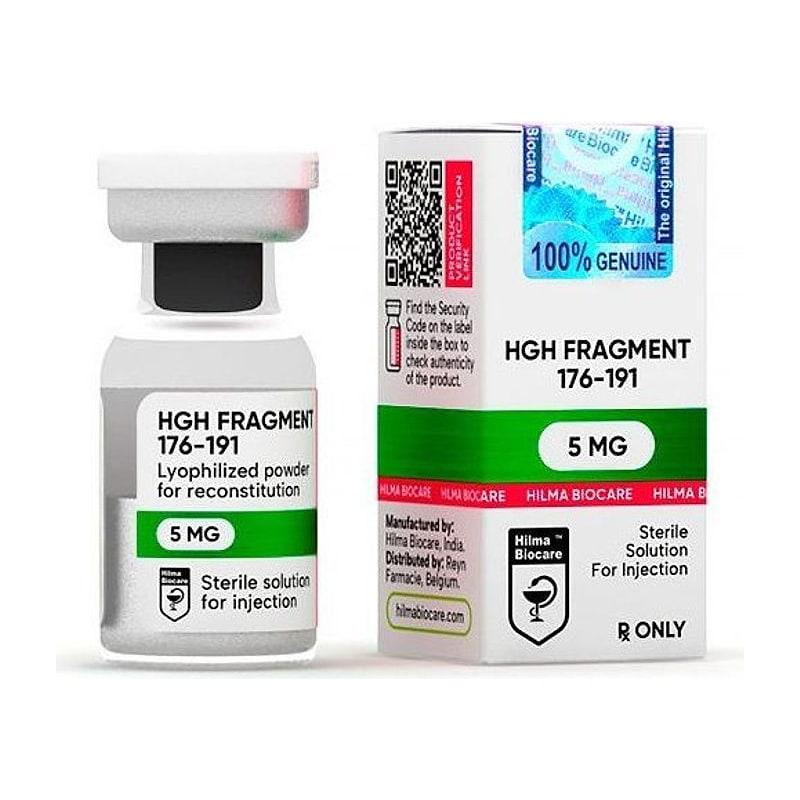
| HGH Fragment 176-191 | GHR (lipolytic domain only) | Activates HSL without IGF-1 axis or insulin resistance |
| Clenbuterol | β2-adrenergic receptor | β2-AR → cAMP → PKA → HSL phosphorylation → triglyceride hydrolysis |
| T3 (Liothyronine) | Thyroid receptor α/β | Increased basal metabolic rate; upregulates β-adrenergic receptors |
Category 3 — Metabolic Axis Compounds:
| Compound | Target | Research application |
|---|---|---|
| Semaglutide / GLP-1R agonist | GLP-1R | Central appetite suppression; insulin sensitization |
| GW-501516 (Cardarine) | PPARδ | Fat oxidation; muscle fiber type shift toward oxidative |
Example Cutting Research Protocol#
DIO mouse model, 8-week treatment:
| Compound | Dose | Route | Frequency |
|---|---|---|---|
| Trenbolone Acetate | 5–15 mg/kg | SC/IM | Every other day |
| HGH Fragment 176-191 | 250 μg/kg | SC | Twice daily |
| Clenbuterol | 1–5 μg/kg | IP or oral | Twice daily |
| Vehicle control | Saline | SC | Matching schedule |
Caloric restriction co-variable: The most informative cutting research uses caloric restriction (25–35% below ad libitum) as an additional variable — this allows studying how cutting compounds affect body composition under the catabolic stress of energy deficit, which is the relevant physiological context.
Research Endpoints for Cutting Protocols#
Body composition (primary):
- DEXA at baseline, week 4, endpoint: track lean mass, fat mass, bone density separately
- Fat pad weight (epididymal, inguinal, retroperitoneal): direct tissue weighing at sacrifice
- Lean mass: muscle weight (soleus, EDL, gastrocnemius, quadriceps)
Metabolic rate:
- Indirect calorimetry (metabolic cage): O2 consumption, CO2 production, respiratory exchange ratio (RER)
- Body temperature (thermogenesis): thermistor or infrared thermometry
- Locomotor activity: wheel running or open-field test
Hormonal endpoints:
- Serum cortisol: cutting + exercise stress → cortisol elevations; measure to confirm GR antagonism effects
- Free T3/T4: confirms thyroid axis status
- Serum LH/FSH: HPTA suppression monitoring if using androgens
Lipolysis markers:
- Serum FFA (non-esterified fatty acids): elevated during active lipolysis
- Serum glycerol: released during triglyceride hydrolysis; quantifies lipolysis rate
- HSL phosphorylation (pSer660): western blot on adipose tissue
Research Use Only. JuicedPharma does not provide medical advice.
Published by JuicedPharma Research Team · October 2026 · Category: Research Protocols & Science