Research Disclaimer: All compounds described are sold exclusively for in-vitro and laboratory research use. Not for unsupervised use. This content does not constitute medical advice.
Ipamorelin is a pentapeptide (Aib-His-D-2-Nal-D-Phe-Lys-NH2) that acts as a selective GHSR-1a agonist, stimulating pulsatile GH release without the off-target cortisol, prolactin, or appetite stimulation seen with GHRP-2 and GHRP-6. Understanding how to dose ipamorelin in research requires understanding the pulsatile nature of GH secretion and how GHSR-1a receptor kinetics affect study design.
Ipamorelin Pharmacokinetics#
Key PK parameters (rodent models):
- Plasma t½: approximately 2 hours (SC administration)
- Tmax: ~15–30 minutes (SC)
- Bioavailability (SC): ~90%+ in rodent models
- GH peak: typically 15–45 minutes post-administration
- GH pulse duration: 2–3 hours (returns to baseline)
- IGF-1 response: measurable IGF-1 elevation 6–12 hours post-dose; with chronic twice-daily dosing → sustained elevated IGF-1
Receptor kinetics: GHSR-1a undergoes homologous desensitization (agonist-induced receptor internalization) following sustained activation. This is why:
- Single injection → pulsatile GH response (receptor recovers between doses)
- Continuous infusion → receptor desensitization → tachyphylaxis → blunted response
- Twice-daily injection spacing (~12 hours) → sufficient recovery time for receptor recycling → maintained responsiveness
In Vitro Research Dosing#
Cell-based assays:
| Assay | Cell model | Ipamorelin concentration range |
|---|---|---|
| GHSR-1a binding assay | HEK293 cells expressing GHSR-1a | 1–1000 nM (EC50 ~1–5 nM) |
| cAMP/IP-one functional assay | GHSR-1a stable cell line | 0.1 nM – 10 μM dose-response |
| GH secretion assay | Primary pituitary cells | 0.1–100 nM |
| Ca2+ flux (Fluo-4 assay) | GHSR-1a transfected cells | 1–100 nM |
Positive control: GHRP-6 or ghrelin at matched concentration provides parallel receptor-activation control. Negative control: Scrambled pentapeptide at same concentration (confirms GHSR-1a specificity of ipamorelin response).
In Vivo Research Dosing (Rodent Models)#
Published dose ranges for rodent studies:
| Model | Ipamorelin dose | Route | Frequency |
|---|---|---|---|
| Normal Sprague-Dawley rat | 200–500 μg/kg | SC | Twice daily |
| Aged rat (somatopause model) | 200–500 μg/kg | SC | Twice daily |
| Chronic GH axis study | 100–300 μg/kg | SC | Twice daily × 4–12 weeks |
| Pituitary reserve test | 1–10 μg/kg (single dose) | IV or SC | Single challenge |
Timing of administration: Research protocols typically administer ipamorelin at:
- 07:00–08:00 (morning)
- 19:00–20:00 (evening)
This spacing mirrors the natural diurnal GH pulse pattern and allows receptor recycling between doses. Morning dosing in rodents corresponds to their inactive phase (they are nocturnal) — the peak nocturnal pulse in rodents occurs at the onset of the dark phase.
Reconstitution for Research Use#
Preparation:
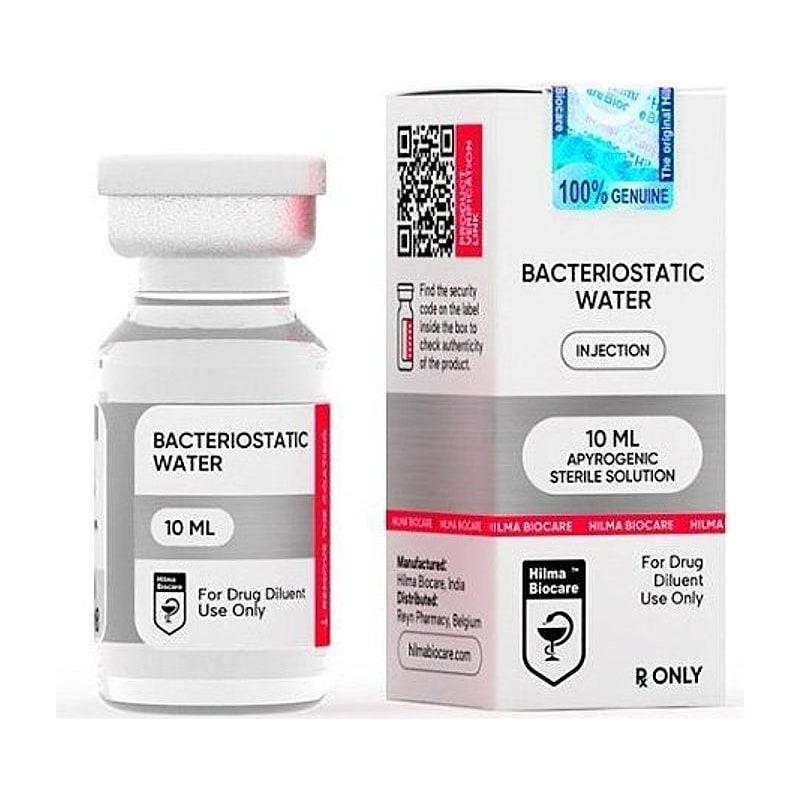
- Add 2 mL sterile BAC water to 5 mg lyophilized ipamorelin vial
- Working concentration: 2.5 mg/mL (2500 μg/mL)
- For 500 μg/kg dose in 250g rat: 0.05 mL of 2.5 mg/mL solution (50 μL injection)
- Store reconstituted at 2–8°C; use within 28 days
- Each vial provides ~40 doses at 500 μg/kg for a 250g rat
Injection technique in rodent research:
- SC injection: subcutaneous flank area
- 27–29 gauge needle, 1/2 inch length
- Inject slowly; compress injection site briefly
Combining Ipamorelin with CJC-1295#
The most commonly used GH secretagogue combination in research pairs ipamorelin (GHSR-1a) with CJC-1295 (GHRHR) for supra-additive GH stimulation:
- Two independent receptor systems → no competition
- GHRHR (Gαs/cAMP) + GHSR-1a (Gαq/PKC) → convergent somatotroph activation
- Published data: 2–4× greater GH AUC with combination vs. either alone
- Administer on same schedule (twice daily); can be mixed in same syringe
Research Use Only. JuicedPharma does not provide medical advice.
Published by JuicedPharma Research Team · October 2026 · Category: Growth Hormone