Research Disclaimer: All compounds described are sold exclusively for in-vitro and laboratory research use. Not for unsupervised use. This content does not constitute medical advice.
Anti-aging research encompasses multiple biological targets — from NAD+ metabolism and mitochondrial function to GH axis decline and cellular senescence. European researchers have access to a range of compounds targeting these distinct aging pathways, from small molecules (NAD+ precursors) to mitochondria-targeted peptides (SS-31, MOTS-c) and GH secretagogue peptides addressing somatopause. This guide covers the mechanistic rationale, EU availability, and how these compound classes fit into multi-target longevity research.
Hallmarks of Aging and Target Compounds#
The major biological aging mechanisms and the compounds that target them:
| Hallmark | Mechanism | Research compounds |
|---|---|---|
| Genomic instability | Impaired DNA repair, shortened telomeres | NAD+ (PARP1/SIRT1 activation) |
| Epigenetic alterations | Histone modification changes; methylation clock | NAD+ (SIRT1 deacetylase activity) |
| Proteostasis loss | Impaired autophagy; protein aggregation | NAD+/SIRT1 → autophagy activation |
| Deregulated nutrient sensing | Reduced AMPK; hyperactive mTOR | NAD+/MOTS-c → AMPK activation |
| Mitochondrial dysfunction | Cristae collapse; reduced OXPHOS; ROS | SS-31, MOTS-c, NAD+ |
| Cellular senescence | p21/p16 arrest; SASP secretion | Research area; no single current tool |
| Stem cell exhaustion | Satellite cell and MSC depletion | GH axis compounds (IGF-1 signaling) |
| Altered intercellular communication | GH/IGF-1 somatopause decline | Ipamorelin, CJC-1295, MK-677 |
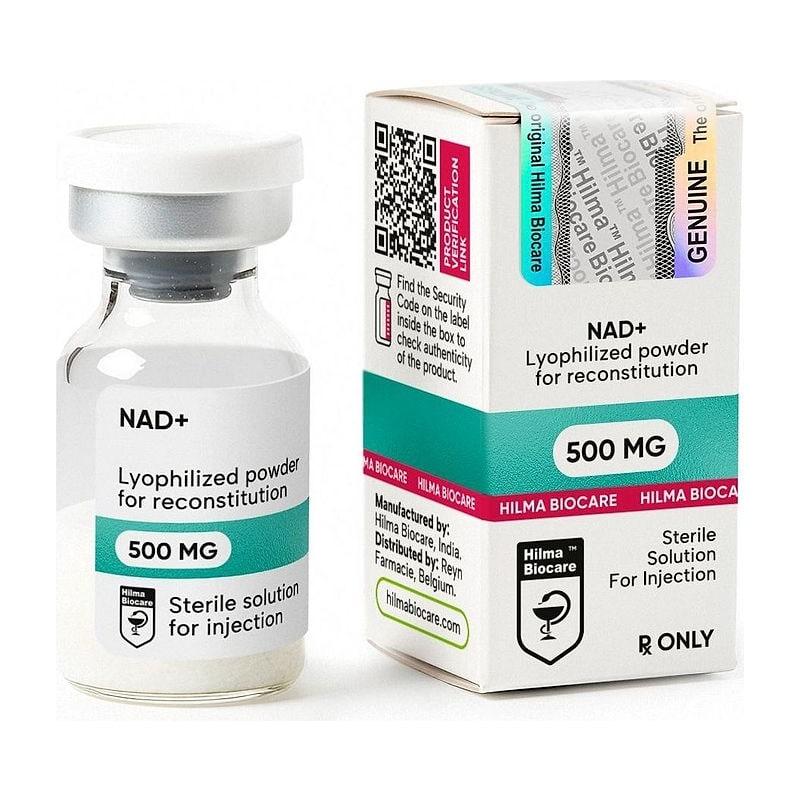
NAD+ Precursors: SIRT1 and Mitochondrial Health#
Why NAD+ declines with aging and why it matters:
- NAD+ is consumed by sirtuins (SIRT1–7), PARPs (DNA repair), CD38, and NMNAT enzymes
- With aging: CD38 activity increases → NAD+ consumed faster; NAMPT biosynthesis declines
- Net: ~50% reduction in tissue NAD+ between ages 20 and 60 in most tissues
Research compounds:
- NMN (Nicotinamide Mononucleotide): Direct precursor → NAD+ via NMN kinase; most studied in mice; raises muscle and liver NAD+
- NR (Nicotinamide Riboside): Alternative precursor; raises blood NAD+ in Phase I human studies
- Niacin: Older precursor; less efficient at raising NAD+ in most tissues
Research readouts for NAD+ intervention:
- NAD+/NADH ratio in tissue lysate (enzymatic cycling assay)
- SIRT1 activity (deacetylase assay)
- p-AMPK in muscle
- Mitochondrial volume (MitoTracker; mtDNA:nDNA ratio)
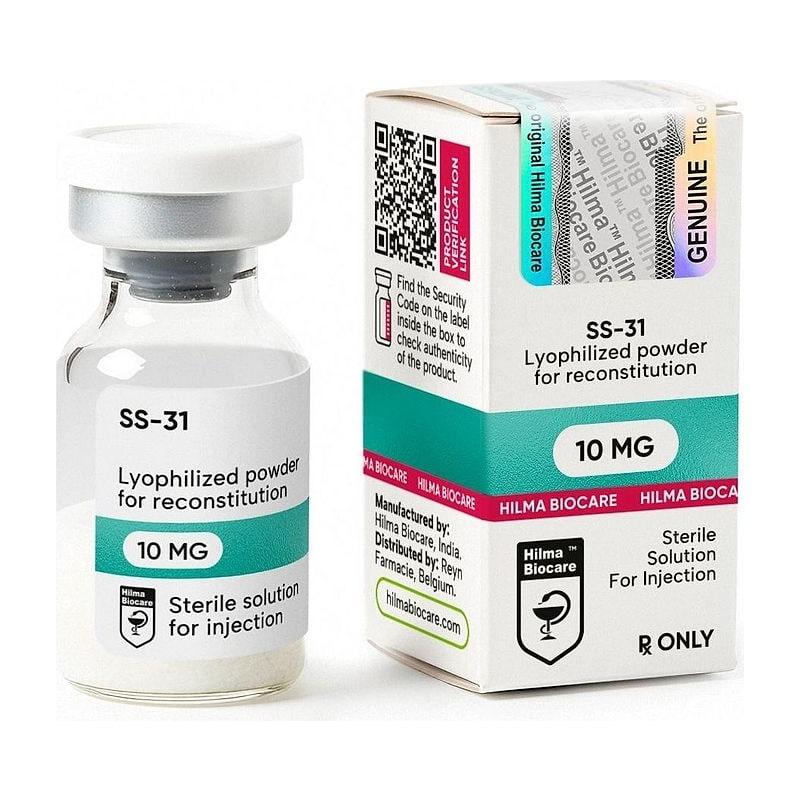
SS-31 (Elamipretide): Mitochondrial Architecture#
SS-31 targets the inner mitochondrial membrane — specifically cardiolipin — to preserve cristae architecture and electron transport chain supercomplex assembly. Unlike NAD+ precursors (which act via nuclear-to-mitochondrial signaling), SS-31 acts directly at the mitochondrial level.
Published anti-aging evidence:
- Old mice treated with SS-31: improved cardiac and skeletal muscle mitochondrial function
- Reversed age-related cristae collapse in electron microscopy studies
- Improved exercise capacity in aged rodents without changing NAD+ or SIRT1 levels
What SS-31 cannot do: It does not stimulate new mitochondrial biogenesis (no PGC-1α activation) — it improves the function of existing mitochondria. Combination with NAD+ provides biogenesis (NAD+) + functional preservation (SS-31).
GH Secretagogues: Somatopause Research#
Why GH axis decline is a recognized hallmark of aging:
- GH pulse amplitude declines ~14% per decade after age 30
- IGF-1 follows GH decline → reduced anabolic signaling in muscle, bone, and brain
- Somatopause = the age-related decline in GH/IGF-1 → associated with body composition changes (fat gain, muscle loss), reduced bone density, and metabolic decline
Research compounds for somatopause:
| Compound | Mechanism | EU availability |
|---|---|---|
| Ipamorelin | GHSR-1a → pulsatile GH | ✅ 5mg/10mg vials |
| CJC-1295 DAC | GHRH analog → sustained GH | ✅ 2mg/5mg vials |
| MK-677 | Oral GHSR-1a → chronic IGF-1 | ✅ oral capsules |
MK-677 Phase II evidence: 12 months in older adults → maintained lean body mass vs. placebo-treated decline; increased IGF-1; no serious safety signals at studied doses.
Ipamorelin, €51 · 99.5% purityMulti-Target Anti-Aging Protocol Design#
The rationale for combining compound classes: Single-pathway intervention for aging is insufficient — aging is multi-factorial. Published research increasingly validates combination approaches:
Example protocol structure:
- NAD+ precursor: addresses SIRT1, DNA repair, autophagy, metabolic regulation
- SS-31: addresses mitochondrial cristae preservation (complementary to NAD+ biogenesis)
- Ipamorelin or CJC-1295: addresses somatopause (GH/IGF-1 decline)
- Endpoints: body composition (DEXA), mitochondrial function (Seahorse), NAD+ levels, IGF-1, grip strength, cognitive testing
Research Use Only. JuicedPharma does not provide medical advice.
Published by JuicedPharma Research Team · October 2026 · Category: Research Protocols & Science