Research Disclaimer: All compounds described are sold exclusively for in-vitro and laboratory research use. Not for unsupervised use. This content does not constitute medical advice.
The choice between oral and injectable administration routes is one of the most fundamental pharmacological variables in androgen and anabolic compound research. The two routes produce different bioavailability profiles, different hepatic exposure patterns, and different safety implications — all of which affect both the validity and safety of research models.
First-Pass Metabolism: The Fundamental Difference#
Oral route:
- Compound absorbed from GI tract → enters portal vein → passes through liver before reaching systemic circulation
- CYP450 enzymes in hepatocytes metabolize the compound → reduces systemic bioavailability
- Testosterone oral bioavailability: <5% (extensive first-pass oxidation)
- Oral androgens require chemical modification to resist first-pass metabolism
Injectable route (SC or IM):
- Compound absorbs directly into systemic lymphatics/vasculature
- Bypasses first-pass hepatic metabolism entirely
- Reaches target tissues at near-administered dose
- Testosterone enanthate injectable bioavailability: essentially 100% (esterase-dependent)
How Oral Bioavailability Is Achieved: C17α-Alkylation#
The C17α-alkyl solution: Adding a methyl or ethyl group at the C17α position of the steroid nucleus blocks hepatic oxidation at C17-OH → prevents first-pass inactivation → oral bioavailability 50–85%
C17α-alkylated compounds (oral):
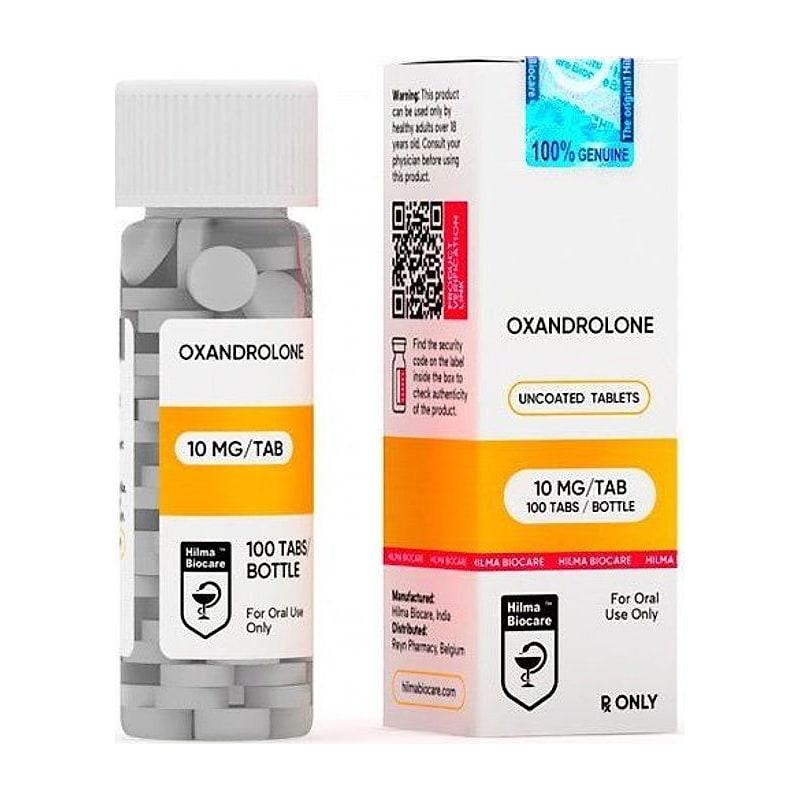
- Oxandrolone (17α-methyl): ~97% oral bioavailability
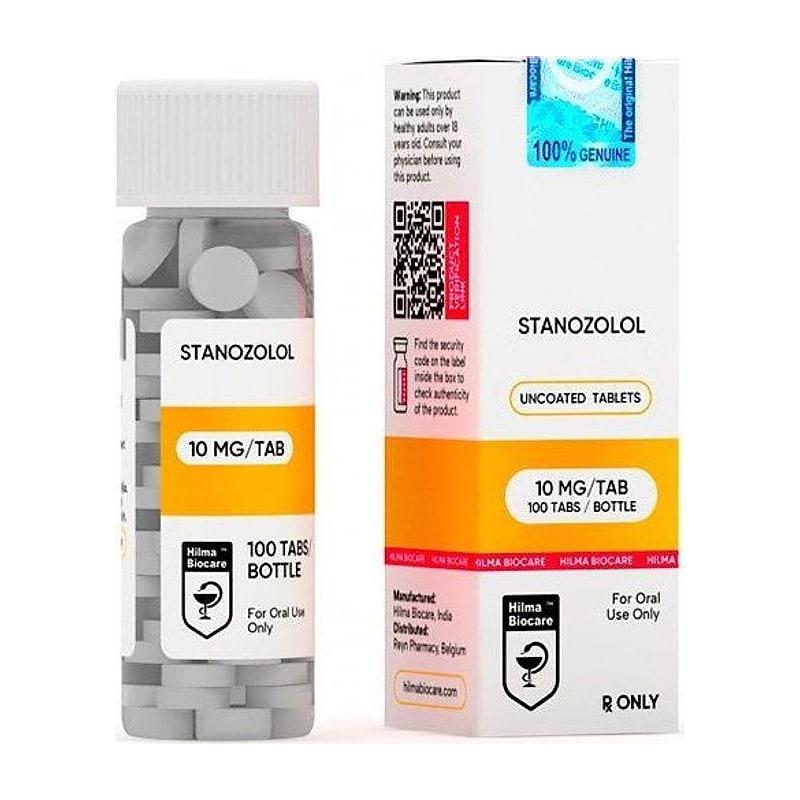
- Stanozolol (17α-methyl): ~40% oral bioavailability (high first-pass even with modification)
- Methandrostenolone (17α-methyl): ~70% oral bioavailability
- Oxymetholone (17α-methyl): ~50% oral bioavailability
The trade-off: hepatotoxicity C17α-alkylation dramatically reduces CYP2C9/3A4-mediated metabolism at C17 but the compound still undergoes Phase I and Phase II metabolism — now producing hepatotoxic metabolites that accumulate in hepatocytes.
Hepatotoxic Mechanisms of C17α-Alkylated Compounds#
Mechanism 1: BSEP (Bile Salt Export Pump) Inhibition
- BSEP is the primary canalicular bile acid transporter (ABCB11 gene)
- C17α-alkylated steroids inhibit BSEP → bile acid accumulation in hepatocytes → hepatocellular injury
- This is the primary DILI (drug-induced liver injury) mechanism for oral anabolics
- Severity correlates with BSEP inhibition potency
Mechanism 2: Mitochondrial Dysfunction
- Some alkylated metabolites uncouple oxidative phosphorylation → reduced ATP
- Promotes apoptosis via mitochondrial permeability transition pore (mPTP) opening
- Stanozolol shows particularly strong mitochondrial effects
Mechanism 3: Oxidative Stress
- CYP-mediated oxidation of alkylated steroids produces ROS
- Lipid peroxidation in hepatocyte membranes
- Glutathione depletion
Mechanism 4: Cholestasis
- BSEP inhibition + MRP2 inhibition → reduced bile excretion → intrahepatic cholestasis
- Elevated ALP and GGT on liver function tests is the signature finding
Bioavailability Comparison Table#
| Compound | Route | Bioavailability | t½ |
|---|---|---|---|
| Testosterone (free) | Oral | <5% | ~10 min |
| Testosterone Enanthate | Injectable | ~100% | 4–5 days |
| Oxandrolone | Oral | ~97% | 8–10h |
| Oxymetholone | Oral | ~50% | 7–8h |
| Stanozolol | Oral | ~40% | 6–8h |
| Stanozolol | Injectable (aqueous) | ~90% | 24–48h |
| Methenolone (Primobolan) | Oral (17α-methyl version) | ~40–50% | 5–6h |
| Methenolone Enanthate | Injectable | ~100% | 5–6 days |
Injectable vs. Oral in Research Protocol Design#
When injectable is preferred:
- Clean PK data needed (known bioavailability → predictable plasma concentrations)
- Long-duration protocols (weekly injection; stable levels)
- Hepatotoxicity is NOT part of the research question (injectable avoids liver signal)
- Testosterone and nandrolone: injectable is the pharmacological standard
When oral is preferred:
- Hepatic mechanism research (BSEP, cholestasis, DILI studies)
- Oral bioavailability studies (comparing same compound oral vs. injectable)
- First-pass metabolism pharmacology
- Species-to-species oral PK translation studies
Critical note for liver safety research: Any research comparing oral vs. injectable androgens must include liver function endpoints (ALT, AST, ALP, GGT, bilirubin, liver weight) as primary safety monitoring. Oral alkylated compounds reliably produce elevated liver enzymes in rodent models at research doses.
Oxandrolone, €54 · 99.3% purityTUDCA and NAC as Research Adjuncts for Hepatotoxicity Studies#
When studying oral C17α-alkylated compounds, hepatoprotective agents are used in research:
- TUDCA (Tauroursodeoxycholic acid): BSEP rescue; ER stress reduction; anti-apoptotic at mitochondria
- NAC (N-Acetylcysteine): Glutathione replenishment; antioxidant; ROS scavenger
Research design option: compare oral androgen alone vs. oral androgen + TUDCA + NAC to quantify hepatoprotective effect size — establishes the DILI mechanism contribution that is rescuable vs. non-rescuable.
Research Use Only. JuicedPharma does not provide medical advice.
Published by JuicedPharma Research Team · September 2026 · Category: Research Protocols & Science