Research Disclaimer: All compounds described are sold exclusively for in-vitro and laboratory research use. Not for unsupervised use. This content does not constitute medical advice.
The ester group attached to injectable androgens at the C17-OH position (for testosterone) or equivalent hydroxyl group is the primary determinant of the compound's release kinetics. Ester length — measured in carbon atoms — directly correlates with lipophilicity, depot residence time, and plasma half-life. Choosing between short and long esters is a fundamental pharmacokinetic decision in androgen research protocol design.
The Chemistry: How Ester Length Affects Kinetics#
Ester hydrolysis pathway:
- Ester injected in oil vehicle → deposits in subcutaneous/intramuscular tissue
- Compound partitions between oil depot and tissue water
- Plasma esterases + tissue lipases cleave the ester bond
- Free androgen liberated → enters systemic circulation
- Longer ester → higher log P → slower partitioning from oil → slower release
Lipophilicity by ester length (approximate log P of testosterone esters):
- Testosterone (no ester): log P ≈ 3.3
- Testosterone propionate (C3): log P ≈ 4.9
- Testosterone enanthate (C7): log P ≈ 6.0
- Testosterone cypionate (C8): log P ≈ 6.3
- Testosterone decanoate (C10): log P ≈ 7.0
- Testosterone undecanoate (C11): log P ≈ 7.5
Each additional carbon roughly adds 0.5 log P units → ~3x more lipophilic per carbon → proportionally slower release.
Short Esters: Propionate and Acetate#
Common short esters:
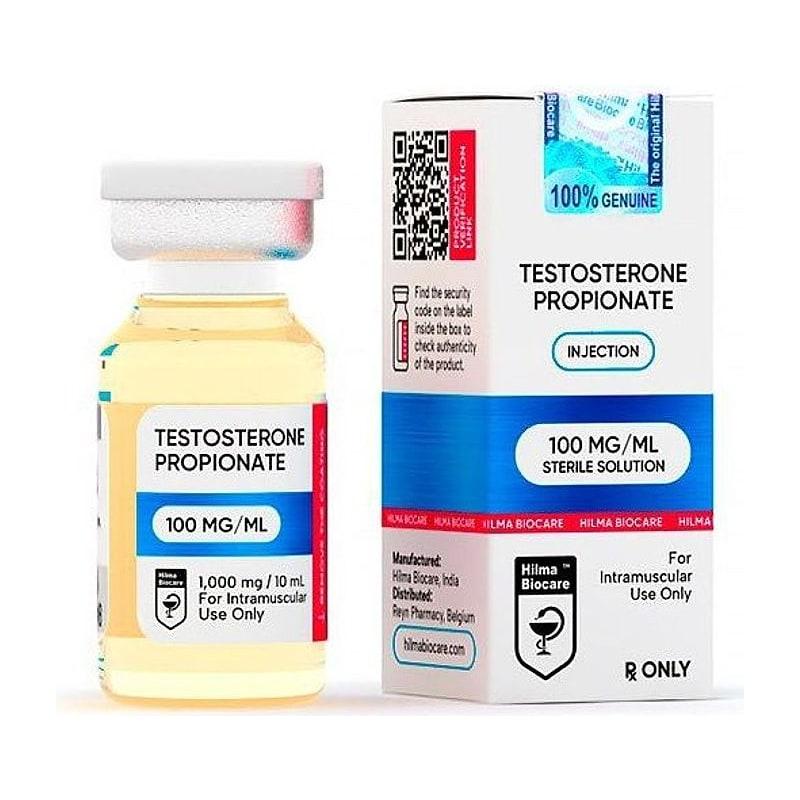
- Propionate (C3): testosterone propionate, drostanolone propionate, trenbolone base + short cycle
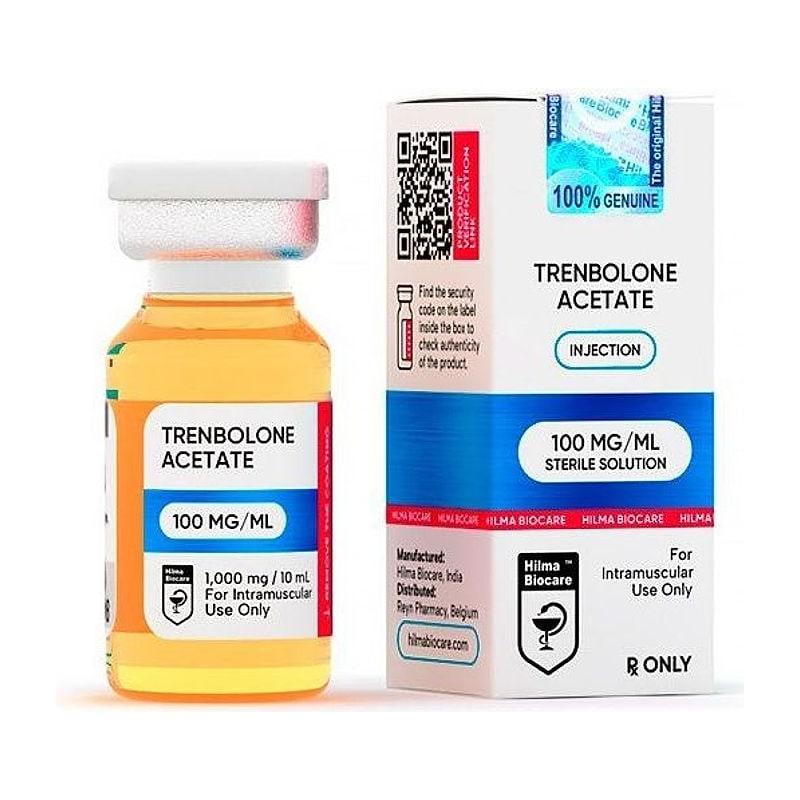
- Acetate (C2): trenbolone acetate, methenolone acetate
- Phenylpropionate (C9 aromatic): nandrolone phenylpropionate (NPP), testosterone PP
Short ester characteristics:
| Property | Propionate (C3) | Acetate (C2) |
|---|---|---|
| t½ (approximate) | 1.5–2 days | 1–2 days |
| Time to peak | 24–48h | 24–48h |
| Injection frequency (stable levels) | Daily or every 2 days | Daily or every 2 days |
| Peak-to-trough ratio | High | High |
| Wash-out | Fast (3–5 days) | Fast (2–4 days) |
Research advantages of short esters:
- Fast clearance: suitable for acute pharmacokinetic studies, dose-response relationships (can change dose quickly)
- Precise timing: known onset and offset → better control of the "androgen exposure window"
- Quick wash-out: end-of-protocol residual exposure is minimal
- High frequency sampling: can observe full PK curve (peak and trough) within days
Research disadvantages:
- Frequent injection: daily/EOD dosing introduces stress in animal models → cortisol confound
- High peak-to-trough: fluctuating plasma levels complicate interpretation of steady-state effects
Long Esters: Enanthate, Decanoate, Undecylenate#
Common long esters:
- Enanthate (C7): testosterone enanthate, methenolone enanthate, trenbolone enanthate
- Decanoate (C10): nandrolone decanoate, testosterone decanoate
- Undecylenate (C11): boldenone undecylenate
- Undecanoate (C11): testosterone undecanoate
Long ester characteristics:
| Property | Enanthate (C7) | Decanoate (C10) |
|---|---|---|
| t½ | 4–5 days | 8–10 days |
| Time to peak | 3–5 days | 5–7 days |
| Injection frequency | Weekly | Weekly–biweekly |
| Peak-to-trough ratio | Moderate | Low |
| Steady state | ~3 weeks | ~4–5 weeks |
| Wash-out | 3–4 weeks | 4–6 weeks |
Research advantages of long esters:
- Stable plasma levels: near-steady-state after 3–4 doses → reduced pharmacokinetic variability
- Low injection frequency: less stress from frequent injection in animal models
- Sustained androgen exposure: appropriate for long-duration endpoints (muscle mass, bone, etc.)
Research disadvantages:
- Long wash-out: residual androgen exposure persists weeks after last injection → difficult to study recovery/reversal
- Slow steady state: first 3–4 weeks of a protocol are "ramp-up" phase; not at pharmacologically relevant steady-state
- Less flexibility: dose changes take weeks to produce new steady-state
Practical Research Selection Guide#
| Study type | Recommended ester | Reason |
|---|---|---|
| Acute PK study (<2 weeks) | Propionate/acetate | Fast kinetics; clear PK curve within study window |
| Anabolic endpoint (8–16 weeks) | Enanthate | Near-stable levels; reduced injection frequency |
| Chronic suppression (16+ weeks) | Decanoate or undecanoate | Minimal injection frequency; stable suppression |
| Recovery/reversal study | Short ester (propionate) | Fast clearance allows studying HPTA recovery |
| Dose-ranging (need to adjust dose) | Propionate | New steady state reached within days |
| In vivo stress minimization | Long ester | Fewer injections → less cortisol from injection stress |
Multi-Ester Blends in Research#
Sustanon-type blends: Multi-ester testosterone preparations combine 2–4 esters to produce a PK profile with:
- Early peak from short ester (propionate)
- Sustained levels from long esters (decanoate)
Research use: Multi-ester blends produce complex PK curves — not ideal for clean pharmacokinetic studies. Better suited for: HPTA suppression models where stable chronic suppression is required but exact plasma concentrations are not a primary endpoint; or comparative studies where "real-world" exposure pattern is the model condition.
Research Use Only. JuicedPharma does not provide medical advice.
Published by JuicedPharma Research Team · September 2026 · Category: Research Protocols & Science