Research Disclaimer: All compounds described are sold exclusively for in-vitro and laboratory research use. Not for unsupervised use. This content does not constitute medical advice.
The choice between injectable and oral routes for anabolic steroid research is not merely one of convenience — it determines the pharmacokinetic profile, hepatic exposure, plasma concentration-time curve, and associated toxicological risk of every compound in the study. Injectables use ester-controlled release from an oil depot; orals use chemical modification (primarily C17α-alkylation) to survive hepatic first-pass extraction. Understanding both routes at the mechanistic level is essential for designing research protocols where route is the independent variable or where route differences must be controlled for.
First-Pass vs. No First-Pass#
Oral route — first-pass problem:
- Oral compound → absorbed in small intestine → enters portal vein → passes through liver BEFORE reaching systemic circulation
- Hepatic extraction ratio for testosterone: ~95% (only ~5% reaches systemic circulation)
- Solution: C17α-methylation → blocks hepatic 17β-HSD → survival of first-pass
- Cost: high hepatic concentration of C17α-alkylated steroid → BSEP inhibition → cholestasis
Injectable route — no first-pass:
- IM injection → ester hydrolysis in tissue/blood → free steroid enters systemic circulation directly
- No hepatic extraction before reaching target tissues
- Hepatic exposure occurs during distribution phase (much lower peak concentration)
- No need for C17α-modification → no intrinsic hepatotoxicity mechanism
Hepatotoxicity consequence:
| Route | Hepatic peak concentration | Hepatotoxicity |
|---|---|---|
| Oral (C17α-alkylated) | Very high (portal vein concentration) | Significant (all C17α compounds) |
| Injectable (esterified) | Low (systemic distribution first) | Minimal (no ester-related liver toxicity) |
Ester-Controlled Pharmacokinetics (Injectable)#
The ester depot mechanism:
- Compound esterified at C17β-OH with fatty acid (propionate, enanthate, decanoate, undecanoate, etc.)
- Ester → increases lipophilicity → dissolves in oil vehicle
- IM injection → slow release of oily solution from depot
- At depot/blood interface → serum esterases (primarily butyrylcholinesterase) cleave ester → free hormone enters bloodstream
Ester chain length → t½:
| Ester | Chain length | t½ (approx) |
|---|---|---|
| Propionate | 3C | ~2–2.5 days |
| Phenylpropionate | 3C + phenyl | ~4 days |
| Enanthate | 7C | ~7–10 days |
| Cypionate | 8C | ~8–10 days |
| Decanoate | 10C | ~14–16 days |
| Undecanoate | 11C | ~21 days |
Research design implication: Short esters allow faster protocol wash-in and wash-out, cleaner dose-response curves, and easier correction of supraphysiological spikes. Long esters provide stable steady-state but require ~3× t½ to reach steady state.
Oral Bioavailability Mechanisms#
| Mechanism | Example compound | Hepatotoxic? |
|---|---|---|
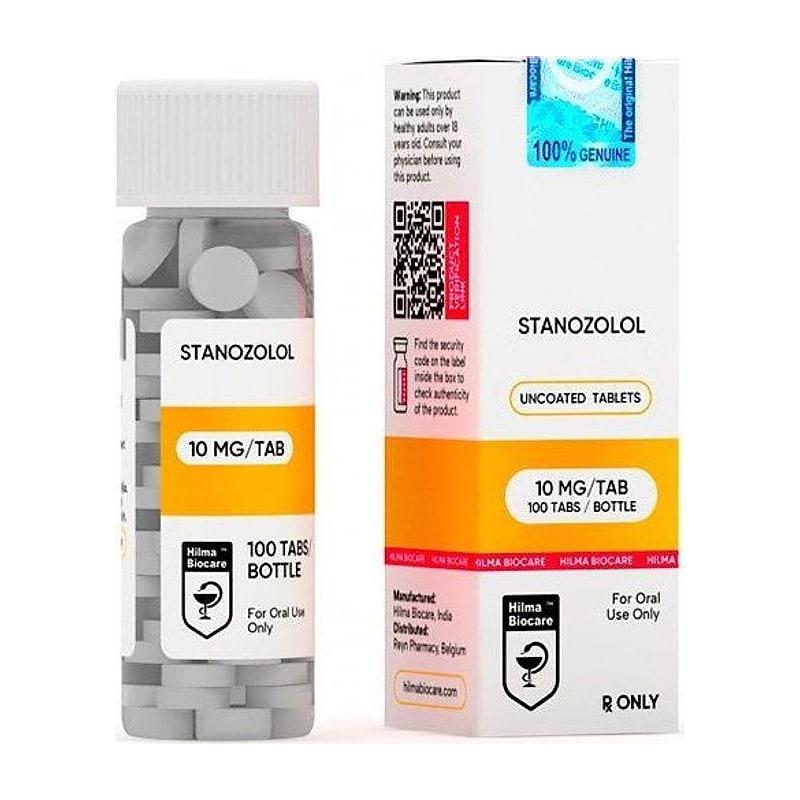
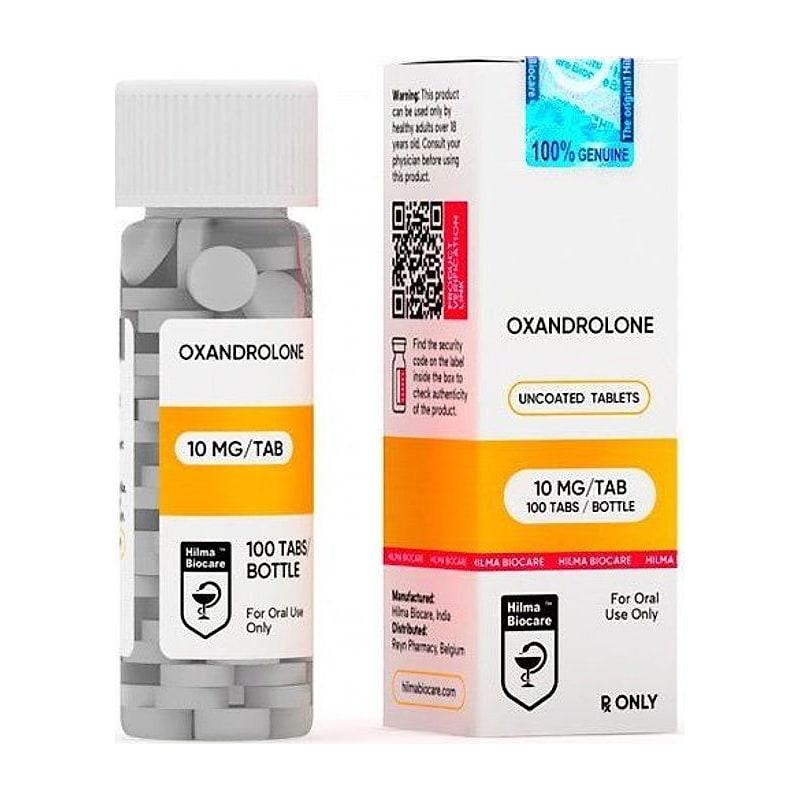
| C17α-methyl | Stanozolol, oxandrolone, oxymetholone | Yes |
| 1α-methyl (without C17α) | Mesterolone | No |
| Δ1,2 unsaturation + acetate | Methenolone acetate | No |
| 4-chloro + C17α-methyl | Turinabol | Yes (moderate) |
Key message: Not all oral androgens achieve bioavailability through C17α-alkylation — methenolone and mesterolone are examples of non-hepatotoxic oral strategies. However, these alternative mechanisms provide lower oral bioavailability (~40–50%) vs. C17α-methyl (~70–90%).
Head-to-Head: Stanozolol Oral vs. Injectable#
Stanozolol is unique because it exists as both oral (C17α-methyl) and injectable (aqueous suspension, same molecule). This allows a true route-controlled comparison:
| Endpoint | Oral stanozolol 2 mg/kg/d | IM stanozolol 3 mg/kg/d (equivalent systemic AUC) |
|---|---|---|
| Peak ALT elevation | 3–5× ULN | 1.5–2× ULN |
| SHBG suppression | ~65% | ~35% |
| Levator ani (anabolic) | Equivalent | Equivalent |
| BSEP inhibition (hepatic) | High | Low |
The route-dependent hepatotoxicity of stanozolol — same molecule, different exposure kinetics — is the clearest research evidence that first-pass hepatic concentration drives C17α-alkylated steroid DILI.
Testosterone Enanthate, €37 · 99.2% purityOxandrolone, €54 · 99.3% purity
Key References#
- Shapiro BH, et al. (1995). "Episodic patterns of hepatotoxic androgens." Drug Metabolism and Disposition, 23(1):91–97.
- Hartgens F & Kuipers H. (2004). "Effects of androgenic-anabolic steroids in athletes." Sports Medicine, 34(8):513–554.
Research Use Only. JuicedPharma does not provide medical advice.
Published by JuicedPharma Research Team · September 2026 · Category: Research Protocols & Science