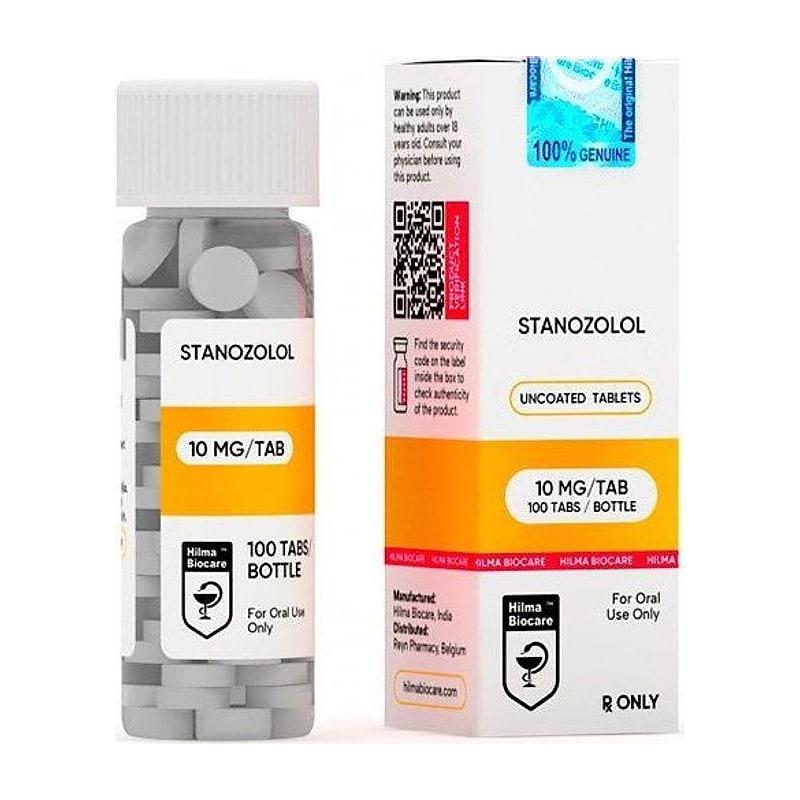
Research Disclaimer: TUDCA is sold exclusively for in-vitro and laboratory research use. Not for unsupervised use. This content does not constitute medical advice.
TUDCA (tauroursodeoxycholic acid) is the taurine conjugate of ursodeoxycholic acid (UDCA), a secondary bile acid naturally produced in small quantities by intestinal bacteria. TUDCA has been extensively studied for its hepatoprotective, anti-apoptotic, and endoplasmic reticulum (ER) stress-reducing properties. In pharmacological research, TUDCA is of particular interest as a hepatoprotective co-treatment in oral anabolic steroid protocols, where C17α-alkylation causes cholestatic stress — the primary mechanism TUDCA counteracts. Beyond hepatoprotection, TUDCA has emerging applications in neurodegenerative disease, diabetes, and retinal degeneration research.
Table of Contents#
- Bile Acid Biology: TUDCA's Role
- Mechanism: Hepatoprotective Pathways
- Pharmacokinetics
- C17α-Alkylation Hepatotoxicity and TUDCA Rescue
- ER Stress Research Applications
- Neuroprotective Research
- Research Protocols
- Key References
Bile Acid Biology: TUDCA's Role#
Bile acids are cholesterol-derived detergent molecules produced in the liver:
- Primary bile acids: cholic acid (CA) and chenodeoxycholic acid (CDCA) synthesized in hepatocytes
- Conjugation: CA/CDCA → conjugated with taurine (tauro-) or glycine (glyco-) → bile salts
- Secreted into bile → intestine → facilitate fat absorption
- Gut bacteria → deconjugate and 7α-dehydroxylate → secondary bile acids (DCA from CA; UDCA from CDCA minor pathway)
UDCA/TUDCA:
- UDCA is a hydrophilic, less detergent-like bile acid (vs. hydrophobic CDCA/DCA which are hepatotoxic at high concentrations)
- TUDCA = UDCA conjugated with taurine → increased solubility, longer half-life, different receptor interactions
- UDCA is FDA-approved for primary biliary cholangitis (PBC)
Mechanism: Hepatoprotective Pathways#
TUDCA protects hepatocytes through multiple mechanisms:
1. Anti-cholestatic:
- Toxic bile acids (CDCA, DCA) → BSEP (bile salt export pump) inhibition → intrahepatic bile accumulation → cholestasis → hepatocellular damage
- TUDCA → replaces toxic bile acids in the bile acid pool → less hepatocellular exposure to CDCA/DCA → reduced cholestatic injury
- TUDCA also promotes biliary secretion (BSEP upregulation) → enhanced bile acid clearance
2. Anti-apoptotic:
- Toxic bile acids → mitochondrial permeability transition pore (mPTP) opening → cytochrome c release → caspase activation → hepatocyte apoptosis
- TUDCA → stabilizes mitochondrial membrane → prevents mPTP opening → blocks cytochrome c release → anti-apoptotic
- TUDCA also activates PI3K/Akt (survival signaling) → FOXO1 nuclear exclusion → reduced pro-apoptotic gene transcription
3. ER stress reduction:
- ER stress (unfolded protein response, UPR): accumulation of misfolded proteins → PERK, IRE1, ATF6 activation → if unresolved → CHOP expression → apoptosis
- TUDCA → chemical chaperone activity → stabilizes protein folding → reduces ER stress → less UPR activation
- This is TUDCA's most studied mechanism beyond liver: applicable to diabetes (ER stress in β cells), neurodegeneration (ER stress in neurons)
Pharmacokinetics#
| Parameter | Value |
|---|---|
| Route | Oral (primary research route) |
| Oral bioavailability | ~50–80% (enterohepatic circulation recycles bile acids) |
| Enterohepatic circulation | Yes (reabsorbed in terminal ileum → portal blood → liver → re-secreted) |
| t½ (effective) | Long due to enterohepatic recycling (~10–12h effective) |
| Metabolism | Deconjugation by gut bacteria (taurine removed → UDCA), then hepatic reconjugation |
| Dosing | 250–1000 mg/day oral (clinical); twice daily typical |
Rodent dosing:
- 250–500 mg/kg/day (much higher per kg than humans due to faster metabolism)
- Commonly administered in drinking water or by oral gavage
- Note: rats have significantly different bile acid composition than humans — interpret rodent TUDCA studies with caution regarding human translatability
C17α-Alkylation Hepatotoxicity and TUDCA Rescue#
The hepatotoxicity mechanism of oral anabolic steroids:
- C17α-methyl steroids → first-pass hepatic extraction → high intrahepatic concentrations
- Direct BSEP inhibition → intrahepatic bile salt accumulation → cholestasis
- CYP-generated reactive oxygen species → mitochondrial oxidative stress → apoptosis
- AR activation in hepatocytes → metabolic changes → lipid accumulation (steatosis)
TUDCA rescue:
- Replaces toxic bile salts in hepatocyte membrane pool
- Prevents BSEP-inhibition-driven cholestasis
- Anti-apoptotic → blocks cytochrome c/caspase cascade from mitochondrial stress
Research evidence:
- ALT/AST in methyltestosterone + TUDCA vs. methyltestosterone alone: significant reduction in liver enzymes with TUDCA co-treatment (rodent and primate models)
- Liver histology: reduced hepatocellular necrosis, reduced steatosis, improved bile canalicular morphology
Limitations: TUDCA reduces but does NOT eliminate oral steroid hepatotoxicity. High-dose oral androgens (oxymetholone, high-dose methyltestosterone) → TUDCA partially mitigates but significant liver enzyme elevation persists.
ER Stress Research Applications#
TUDCA is extensively used as an ER stress chemical chaperone in research:
Type 2 diabetes / pancreatic β cell research:
- High-fat diet → lipid overload → β cell ER stress → UPR → β cell apoptosis → T2D
- TUDCA 0.5 g/kg in obese diabetic mice → reduced β cell ER stress (CHOP expression, eIF2α phosphorylation) → preserved β cell mass → improved glycemia
- Published: Ozcan et al. (2006) Science — seminal paper establishing TUDCA as ER stress reliever in metabolic disease
Neurodegenerative disease:
- ER stress component in Huntington's, ALS, Alzheimer's, Parkinson's
- TUDCA neuroprotection: reduces CHOP, caspase-12 activation in neuronal ER stress models
- ALS models: TUDCA delays motor neuron death in SOD1-G93A mice
Research Protocols#
Oral steroid hepatotoxicity mitigation (rats)#
| Parameter | Specification |
|---|---|
| Model | Adult intact male SD rats |
| Groups | 1. Vehicle, 2. Stanozolol 5 mg/kg/day oral, 3. TUDCA 500 mg/kg/day in drinking water, 4. Stanozolol + TUDCA |
| Duration | 6 weeks |
| Endpoints | ALT, AST, ALP (weekly); liver histology (H&E: necrosis, steatosis; trichrome: fibrosis; Ki-67: proliferation); hepatic BSEP expression (Western blot); hepatic glutathione (GSH assay) |
ER stress rescue in HepG2 cells#
| Parameter | Specification |
|---|---|
| Cell model | HepG2 hepatocytes |
| ER stress induction | Tunicamycin 2 µg/mL (blocks N-glycosylation → unfolded protein accumulation) × 24h |
| TUDCA treatment | 0.1–1 mM, 1h pretreatment before tunicamycin |
| Endpoints | CHOP mRNA (RT-qPCR), BiP/GRP78 (Western blot), cell viability (MTT), caspase-3 activation |
Key References#
-
Ozcan U, et al. (2006). "Chemical chaperones reduce ER stress and restore glucose homeostasis in a mouse model of type 2 diabetes." Science, 313(5790):1137–1140.
-
Amaral JD, et al. (2009). "Bile acids: regulation of apoptosis by ursodeoxycholic acid." Journal of Lipid Research, 50(9):1721–1734.
-
Benz C, et al. (1998). "The hepatoprotective effects of ursodeoxycholic acid and tauroursodeoxycholic acid in rat liver." Journal of Hepatology, 28(1):99–107.
Research Use Only: TUDCA is sold exclusively for in-vitro research and laboratory use. Not for unsupervised use. JuicedPharma does not provide medical advice.
Published by JuicedPharma Research Team · September 2026 · Category: Research Protocols & Science