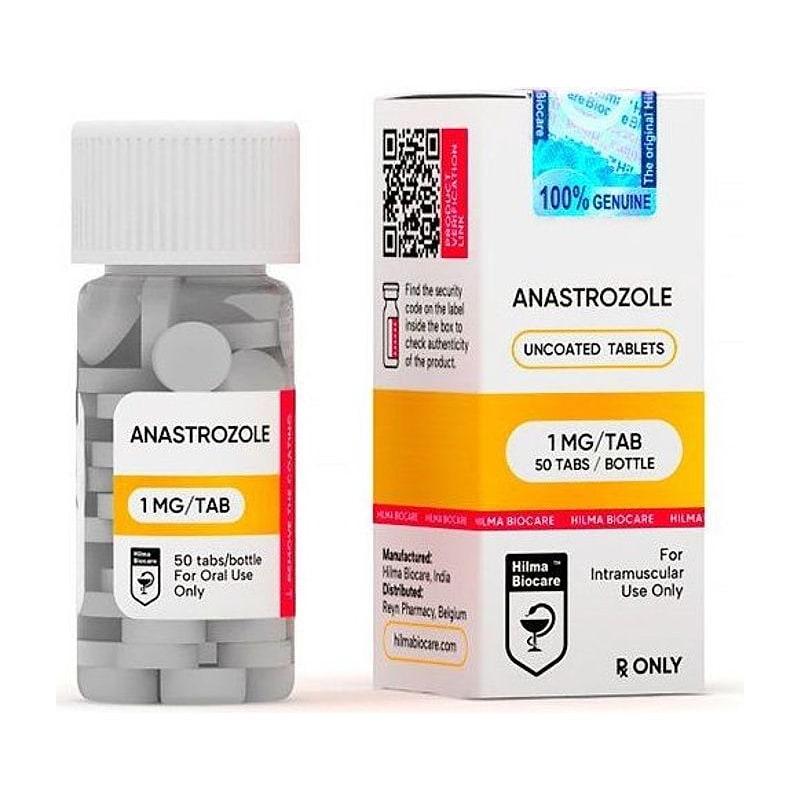
Research Disclaimer: Tamoxifen is sold exclusively for in-vitro and laboratory research use. Not for unsupervised use. This content does not constitute medical advice.
Tamoxifen (trade name: Nolvadex; ICI Pharmaceuticals, 1973) is the founding member of the selective estrogen receptor modulator (SERM) class — compounds that act as ER antagonists in some tissues and ER agonists in others. Tamoxifen has been the most studied anti-estrogen in history, with over 50 years of oncology and endocrinology research. In androgen research, tamoxifen's key role is in HPTA recovery protocols, where its hypothalamic/pituitary ER antagonism elevates LH and FSH to restore endogenous testosterone production.
Table of Contents#
- Tamoxifen's Molecular Action: SERM Mechanism
- Tissue-Selective ER Pharmacology
- Pharmacokinetics: Active Metabolites
- HPTA Recovery: Mechanism in Androgen Research Context
- Breast Cancer Research Applications
- Tamoxifen vs. Clomiphene for HPTA Restoration
- Research Protocols
- Key References
Tamoxifen's Molecular Action: SERM Mechanism#
Tamoxifen (and its metabolites) bind the estrogen receptor (ERα and ERβ) ligand-binding domain (LBD):
- Binding is competitive with estradiol (E2) at the same LBD site
- The key pharmacological distinction from pure ER antagonists (fulvestrant): tamoxifen binding induces an LBD conformation that allows partial coactivator recruitment in some cell types but blocks coactivator recruitment in others
- This tissue-specific behavior depends on which coactivators and corepressors are expressed locally:
- Tissues with high SRC-1/coactivator expression → tamoxifen-ER complex → partial agonism
- Tissues with high corepressor expression → tamoxifen-ER complex → antagonism
Active metabolites:
- Tamoxifen → N-desmethyltamoxifen (CYP3A4) → 4-hydroxytamoxifen (4-OHT, CYP2D6)
- 4-OHT: 30–100× higher ER binding affinity than tamoxifen itself
- Endoxifen (4-OH-N-desmethyl-tamoxifen, CYP3A4+CYP2D6): equal or greater ER affinity than 4-OHT
- Most of tamoxifen's in vivo ER activity is mediated by 4-OHT and endoxifen, not the parent compound
Tissue-Selective ER Pharmacology#
| Tissue | Tamoxifen effect at ER | Mechanism |
|---|---|---|
| Breast epithelium | Antagonist | Low SRC-1; high NCOR corepressor → tamoxifen-ER → transcription block |
| Hypothalamus | Antagonist | Blocks E2 feedback at hypothalamus → removes E2 brake on GnRH pulsatility |
| Pituitary | Antagonist | Blocks E2 feedback at gonadotroph cells → LH/FSH increase |
| Uterine endometrium | Partial agonist | High SRC-1 expression → tamoxifen-ER recruits coactivators → partial ER transcription |
| Bone | Partial agonist | Reduces osteoclast activity → maintains or increases bone density (uterine agonism explains endometrial cancer risk in long-term use) |
| Liver | Partial agonist | Upregulates SHBG (ER agonism in hepatocytes) → potential for complex effects on free testosterone fraction |
Key insight for HPTA research: tamoxifen's ER antagonism at the hypothalamus and pituitary is what makes it useful for HPTA restoration — it removes E2 negative feedback without removing testosterone itself (unlike AIs which don't block ER, they reduce E2 formation).
Pharmacokinetics: Active Metabolites#
| Parameter | Tamoxifen | 4-OHT (key metabolite) |
|---|---|---|
| Route | Oral | Formed hepatically |
| Oral bioavailability | ~100% | — |
| t½ (tamoxifen) | 5–7 days | ~3 days |
| Time to steady-state | 4–8 weeks | Proportional |
| ER binding affinity relative to E2 | ~0.02 | ~2–50 |
| Metabolism enzyme | CYP3A4 → CYP2D6 | CYP2D6 critical for 4-OHT formation |
CYP2D6 pharmacogenomics: patients with CYP2D6 poor metabolizer genotype produce less 4-OHT from tamoxifen — a major clinical pharmacogenomics consideration for breast cancer outcomes. In rodent research models, rat CYP2D6 is highly active → good 4-OHT conversion in rat models.
Research note: In cell-based assays, use 4-OHT (4-hydroxytamoxifen) directly rather than tamoxifen — 4-OHT is available as a research chemical, has defined ER activity, and eliminates the metabolic conversion variable in in vitro work.
HPTA Recovery: Mechanism in Androgen Research Context#
Following androgen administration (which suppresses LH and FSH via AR+ER feedback):
Step 1 — Post-androgen cessation:
- Exogenous androgens removed → testosterone → 0 (endogenous production suppressed)
- Leydig cells: atrophied, not immediately responsive
- HPTA: suppressed by prior androgen
Step 2 — Tamoxifen addition:
- Tamoxifen → hypothalamus + pituitary ER antagonism
- Removes E2-mediated component of HPTA suppression
- GnRH pulses increase → LH/FSH increase
- LH reaches Leydig cells → steroidogenesis restarts
Tamoxifen HPTA stimulation data:
- Tamoxifen 20 mg/day in hypogonadal men: LH +80–100%, FSH +60–80%, testosterone +50–70% (Clomiphene achieves similar but has more side effects in some populations)
- Peak response: ~2 weeks of tamoxifen treatment
- Testicular volume: increases with continued LH stimulation (takes 4–8 weeks)
Breast Cancer Research Applications#
Tamoxifen remains a cornerstone of ER+ breast cancer research:
ERα competitive binding assays#
| Parameter | Specification |
|---|---|
| Receptor | Recombinant ERα or ERβ LBD |
| Competitor | 4-OHT or tamoxifen dose-response |
| Radioligand | [³H]-E2 |
| Analysis | IC50 → Ki; compare with E2, DES (reference agonist) |
Mammary gland models#
| Parameter | Specification |
|---|---|
| In vivo model | DMBA-induced mammary tumor in Sprague-Dawley rats |
| Treatment | Tamoxifen 1–5 mg/kg/day oral gavage |
| Endpoints | Tumor incidence, volume, Ki-67 (proliferation), Bcl-2, ER expression |
Tamoxifen vs. Clomiphene for HPTA Restoration#
| Property | Tamoxifen | Clomiphene |
|---|---|---|
| Class | SERM (triphenylethylene) | SERM (mixed agonist/antagonist) |
| Isomers | — | Enclomiphene (antagonist) + zuclomiphene (agonist) |
| Net HPTA effect | ER antagonist at H/P | Similar (enclomiphene component drives LH/FSH) |
| LH/FSH response | ~80–100% increase | ~80–100% increase |
| Uterine agonism | Yes (endometrial risk) | Yes (zuclomiphene component) |
| Side effects (CNS/visual) | Rare | Blurred vision, mood changes (more common) |
| Research preference | Pure ER antagonism endpoint | When SERM with full isomer pharmacology needed |
Research Protocols#
Testosterone-suppressed male rat HPTA recovery#
| Parameter | Specification |
|---|---|
| Model | Adult SD rats, 8-week testosterone enanthate 10 mg/kg SC weekly (induces HPTA suppression) |
| Recovery phase | TE cessation + one of: (a) Vehicle, (b) Tamoxifen 1 mg/kg/day oral, (c) hCG 25 IU/day SC |
| Duration of recovery | 4 weeks |
| Endpoints | Serum LH, FSH, testosterone (LC-MS/MS), testicular weight, histology (Leydig cell morphology, spermatogenesis staging) |
Key References#
-
Jordan VC. (2003). "Tamoxifen: a most unlikely pioneering medicine." Nature Reviews Drug Discovery, 2(3):205–213.
-
Koerner JA, et al. (2015). "Mechanisms of selective estrogen receptor modulator activity." Handbook of Experimental Pharmacology, 232:141–160.
-
Roth MY, et al. (2013). "Comparison of tamoxifen and clomiphene citrate in men with infertility." Journal of Urology, 190(4):1478–1483.
Research Use Only: Tamoxifen is sold exclusively for in-vitro research and laboratory use. Not for unsupervised use. JuicedPharma does not provide medical advice.
Published by JuicedPharma Research Team · September 2026 · Category: Research Protocols & Science